
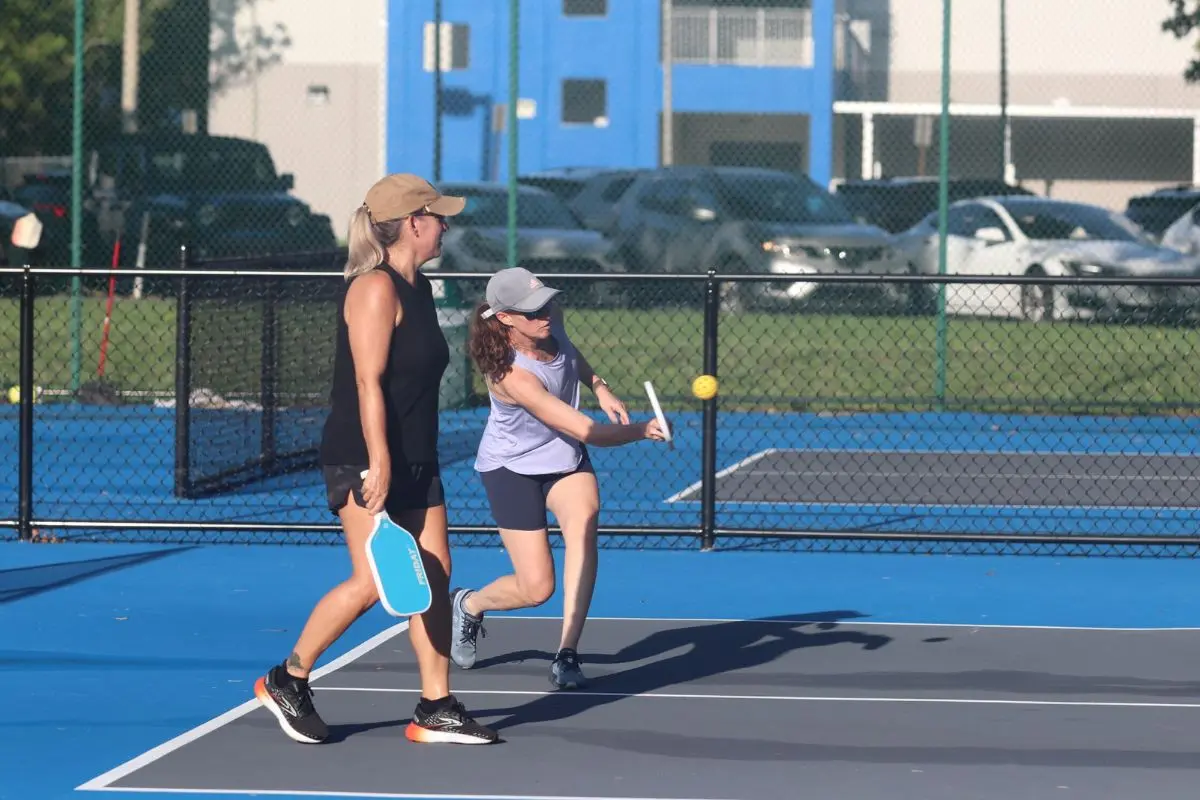
Relationship Benefits of Playing Pickleball: Pickleball has gained immense popularity, drawing many people to its unique blend of competition and friendship. This sport appeals to individuals from all walks of life. As one person says, “I can be incredibly competitive while getting an amazing workout, all without any athletic skill at all!”
While pickleball feels invigorating, people have noticed its parallels with commitment factors in romantic relationships. However, there is limited formal research on its behavioral impacts compared to general insights on the benefits of couples participating in sports.
A recent article suggested that pickleball might be one of the best sports for promoting longevity. Given these health benefits, people want to illustrate how pickleball aligns with key elements of Rusbult’s Social Exchange Theory (SET) and the Gottman Method—both essential for fostering stable, committed relationships.
Skills and Habits for Lasting Relationships
Starting beginner lessons with a partner and observing other couples highlighted the fundamental skills of pickleball that promote intimacy and commitment:
- Understanding the Court and Rules: Just as players learn the court dimensions and rules, couples benefit from understanding relationship dynamics, like finances and shared responsibilities. Knowing how to serve and score parallels recognizing relationship boundaries, such as work-life balance and deal-breakers.
- Positioning and Movement: Effective positioning and movement are crucial. The non-volley zone, or “kitchen,” serves as a metaphor for “fighting fair,” where specific words and behaviors should be avoided during conflicts. Beginners learn to target the opponent’s center line, dubbed “The Divorce Line,” over “who’s got the ball.” This reflects confusion over responsibility for shifting demands in relationships.
- Communication and Etiquette: Developing essential skills like forehands and backhands enhances consistency, mirroring clear communication in relationships. Practicing “dinking,” or lightly hitting the ball into the opponent’s non-volley zone, parallels couples learning to communicate in ways that their partner best understands.
These skills help beginners build confidence in pickleball and align with two prominent models of lasting relationship commitment.
Social Exchange Theory and Pickleball
The connections to Social Exchange Theory (SET), particularly Rusbult’s Investment Model (1980), which examines the factors behind enduring bonds. According to Rusbult’s model, three primary factors contribute to relationship commitment:
- Satisfaction Level: Pickleball naturally fosters fun, humor, mutual strategy, and the thrill of winning—not just for the athletic.
- Minimal Comparison with Alternatives: In pickleball, winning requires coordination between partners. Couples become pivotal to each other during the game, emphasizing their connection.
- Investment Size: Regular practice allows couples to track their progress through professional ratings (like DUPR), mirroring time and energy invested in the relationship.
Rusbult also identifies “maintenance mechanisms” that sustain relationship commitment:
- Accommodation: Engaging in behaviors that foster the relationship rather than tallying costs and rewards. Couples who prioritize happiness over being right enjoy the game and cultivate friendships.
- Willingness to Sacrifice: Prioritizing a partner’s interests over personal desires. In pickleball, this often means one partner reaching for a missed ball to save a point, highlighting teamwork.
- Forgiveness: Being open to forgiving mistakes is vital, as players cannot cover every position on the court and must forgive their partner’s lapses.
- Positive Illusions: Maintaining a favorable view of a partner’s qualities strengthens commitment, even during challenging times.
- Ridiculing Alternatives: Downplaying the benefits of potential alternative partners while perceiving them negatively can be protective. The opposing couple, no matter how attractive they are, happens to be the enemy.
The Gottman Method and Pickleball
The Gottman Method, developed by Dr. John Gottman and his colleagues, enhances relationships through principles that have been shown to be effective in maintaining loving, lasting relationships:
- Building Love Maps: Couples deepen their emotional connection by understanding each other’s worlds, dreams, values, and preferences. This parallels pickleball etiquette, where practice fosters intuition about a partner’s skills and emotional state, building teamwork.
- Turning Towards Each Other: Responding to each other’s bids for attention and affection fosters connection and trust. The lesson of “calling the ball” emphasizes the need for precise communication, which is crucial for winning games and resolving relational conflicts positively.
- Managing Conflict: Healthy conflict resolution techniques and prioritizing emotional connection are foundational for strong relationships, reflected in maintaining friendships on and off the court.
News in Brief: Relationship Benefits of Playing Pickleball
Pickleball’s rising popularity not only offers a fun, competitive workout but also mirrors key elements of lasting relationships, such as Rusbult’s Social Exchange Theory and the Gottman Method.
By promoting skills like communication, teamwork, and conflict resolution, pickleball fosters intimacy and commitment, making it a valuable activity for couples looking to enhance their bonds while enjoying the sport together.
ALSO READ: Can Pickleball Improve Fitness? Discover the Benefits of Playing Pickleball