
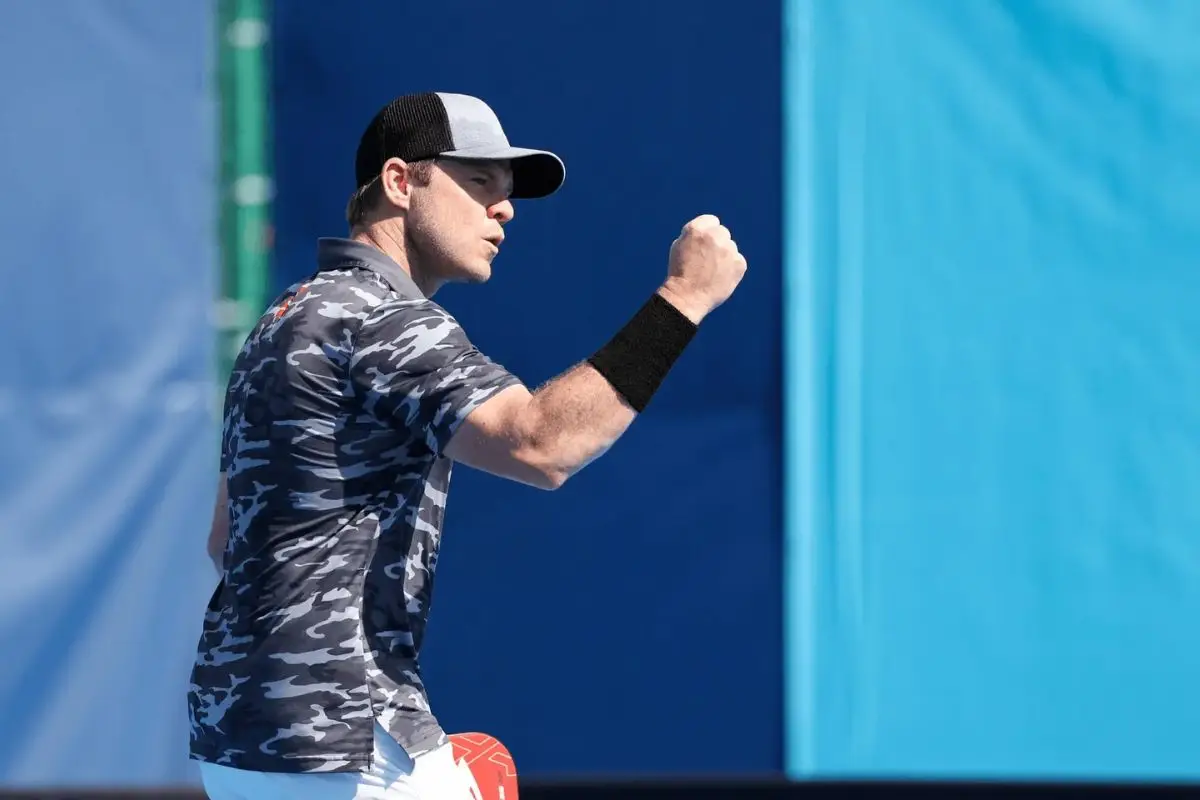
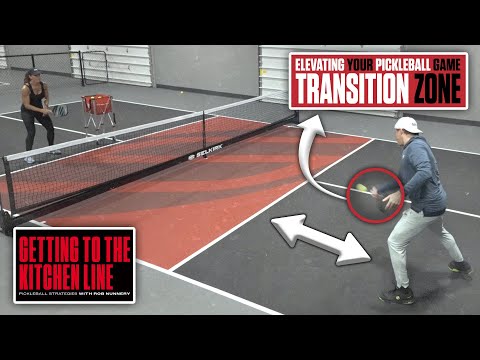
Master the Transition Zone in Pickleball: Rob Nunnery, a professional pickleball player, recently shared his tips for handling the transition zone in pickleball. In a new YouTube video, Nunnery breaks down key strategies for resetting the ball in the kitchen, dealing with mid-court situations, and even using the transition zone to your advantage. The advice is especially helpful for players looking to improve their control and offensive game in these critical moments.
The transition zone, often referred to as mid-court, is where many pickleball points can be won or lost. Nunnery emphasizes that while resetting the ball in the kitchen has long been the standard strategy, the game is evolving. Players are now using this area for more aggressive plays to catch opponents off guard, making it an increasingly important part of the game.
Resetting in the Kitchen
Nunnery starts by explaining the importance of mastering the reset shot before advancing to more offensive strategies.
“Amateurs can improve quickly by getting really good at resetting the ball,” (Rob Nunnery).
To do this, players should focus on their base, using a wide stance and bending their knees. Nunnery recommends keeping the paddle close to the head and having soft hands to maintain control when hitting the ball. A gentle grip allows players to keep the ball low, ideally landing it in the kitchen area, which is critical for maintaining control.
When hitting the ball, Nunnery advises keeping the paddle face open, rather than closed, to ensure the ball lifts up. A soft grip can prevent the ball from flying too high, which is a common mistake. Practicing this technique consistently, according to Nunnery, is the key to improving your resets.
Aggression in the Transition Zone
While resetting the ball is important, Nunnery also encourages players to embrace a more aggressive approach in the transition zone. Once you have mastered the reset shot, he advises looking for opportunities to take a more offensive stance. If an opponent sends a ball that is at net level, players can “whack” the ball, using their positioning in the transition zone to move forward and set up for a winning shot.
“Once you’ve dialed in the reset shot, you can start looking for offense.”(Rob Nunnery)
This shift in strategy allows players to transition from defense to offense more effectively, leading to better control of the game.
Expert Insights on the Transition Zone
Nunnery’s advice comes from years of experience playing at a high level, and his approach reflects how the game of pickleball has evolved.
“It used to be that the transition zone was only about resetting the ball, but now it’s also an opportunity for aggression,”. “The key is to use both the defensive and offensive aspects of this zone to stay in control.”(Rob Nunnery)
The Importance of Practice
Nunnery stresses that to master these techniques, consistent practice is essential. He recommends drilling reset shots for hours to build muscle memory and improve control. He also advises players to practice in different conditions—whether indoors or outdoors, or at various elevations—since these factors can affect the way the ball behaves.
As pickleball continues to grow in popularity, players who can navigate the transition zone effectively will have a significant advantage in their games. By mastering both the reset shot and aggressive plays, players can gain more control over the flow of the match, ultimately increasing their chances of winning.
News in Brief: Master the Transition Zone in Pickleball
Rob Nunnery shares expert tips on handling the transition zone in pickleball. He emphasizes mastering the reset shot with a soft grip for control and advises players to use the transition zone for aggressive plays once they’ve perfected their reset. Nunnery’s insights help players improve their control, switch from defense to offense, and elevate their game.
ALSO READ: Third Shot Drop Tips for Pickleball Players: Achieve Consistency and Control