
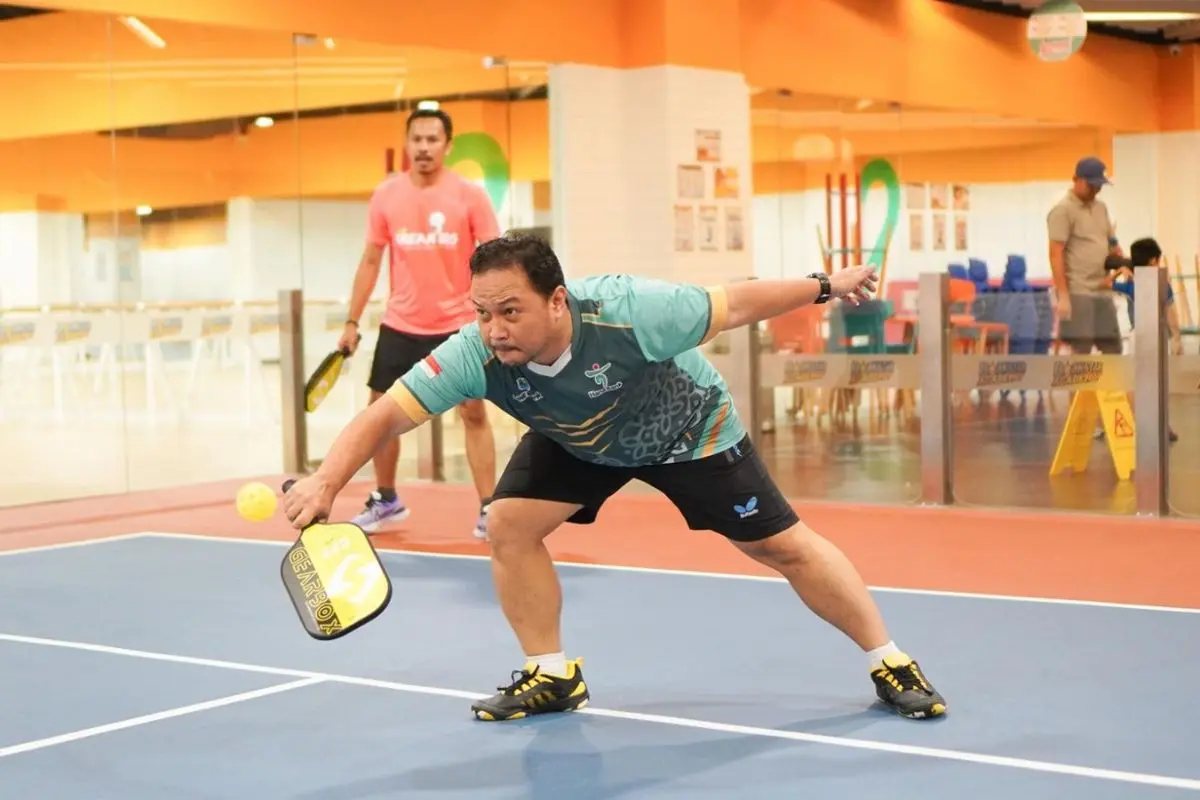
Pickleball Serve Mastery: A strong serve can set the tone for a pickleball match, but should players focus on consistency or power? While a safe serve keeps the rally going, an aggressive serve can force weak returns and give pickleball players an early advantage. The right choice depends on skill level, match situation, and playing style.
The Safe Serve
For beginners and casual players, a safe serve is essential. This approach prioritizes accuracy and minimizes errors, allowing players to start the rally without unnecessary risk. A controlled serve also builds confidence and helps new players improve their overall pickleball game.
- Ensures the ball is in play, keeping the rally alive.
- Reduces unforced errors, preventing easy points for opponents.
- Builds consistency and control, especially for beginners.
When to Use a Safe Serve
- During close matches, where every point is crucial.
- Against opponents who make frequent mistakes.
- When developing confidence and consistency.
However, a predictable serve can become a weakness. Strong opponents can attack soft serves, making the third shot much harder to control.
The Aggressive Serve
As players advance, adding depth, spin, and speed to their serve becomes crucial. An aggressive serve does not necessarily win points outright, but it forces opponents into defensive positions, setting up an easier third shot.
- Pushes opponents back, giving the server an advantage.
- Creates weaker returns, making the third shot easier.
- Increases pressure on the returner, forcing errors.
When to Use an Aggressive Serve
- When opponents struggle with backhand returns.
- When leading comfortably and testing limits.
- When safe serves are being easily returned and attacked.
While power serves increase the risk of errors, players who never miss a serve may not be taking enough risks to gain an advantage.
Serve Strategy by Skill Level
Beginner (2.0 – 3.0): Keep It Simple
- Focus on getting 90% of serves in.
- Aim for deep serves with moderate pace.
- Avoid experimenting with spin until consistency improves.
Intermediate (3.5 – 4.0): Add Variety
- Introduce topspin and slice serves.
- Target the opponent’s backhand.
- Adjust serve speed and depth to keep opponents guessing.
Advanced (4.5 – 5.0+): Be Unpredictable
- Develop multiple serve types, including power and spin serves.
- Take calculated risks to gain an early advantage.
- Use serves strategically to control return placement.
Adjusting Serve Strategy Based on Score
The best serve approach depends on the match situation.
- Close Scores (9-9, 10-10): Play it safe to avoid critical errors.
- Leading Comfortably (8-3, 10-5): Take risks and test new serve strategies.
- Trailing (2-9, 3-10): Go aggressive to force errors and regain momentum.
Developing a Balanced Serve Game
The best servers combine accuracy with strategic aggression. To improve, players should follow a structured progression:
- Master a consistent, deep serve.
- Add controlled pace and placement.
- Experiment with spin and deception.
- Develop a mix of serve types for unpredictability.
Since the serve is the only shot fully under a player’s control, practicing different techniques can dramatically hone performance.
News in Brief: Pickleball Serve Mastery
A strong serve is crucial in pickleball, but should players prioritize consistency or power? While beginners benefit from a safe, controlled serve, advanced players use aggressive serves to gain an advantage.
The ideal strategy depends on skill level and match situation. Developing a versatile serve can help players control points and improve their overall game.
ALSO READ: The Secret to a Stronger Pickleball Serve—It’s Not Just Strength