
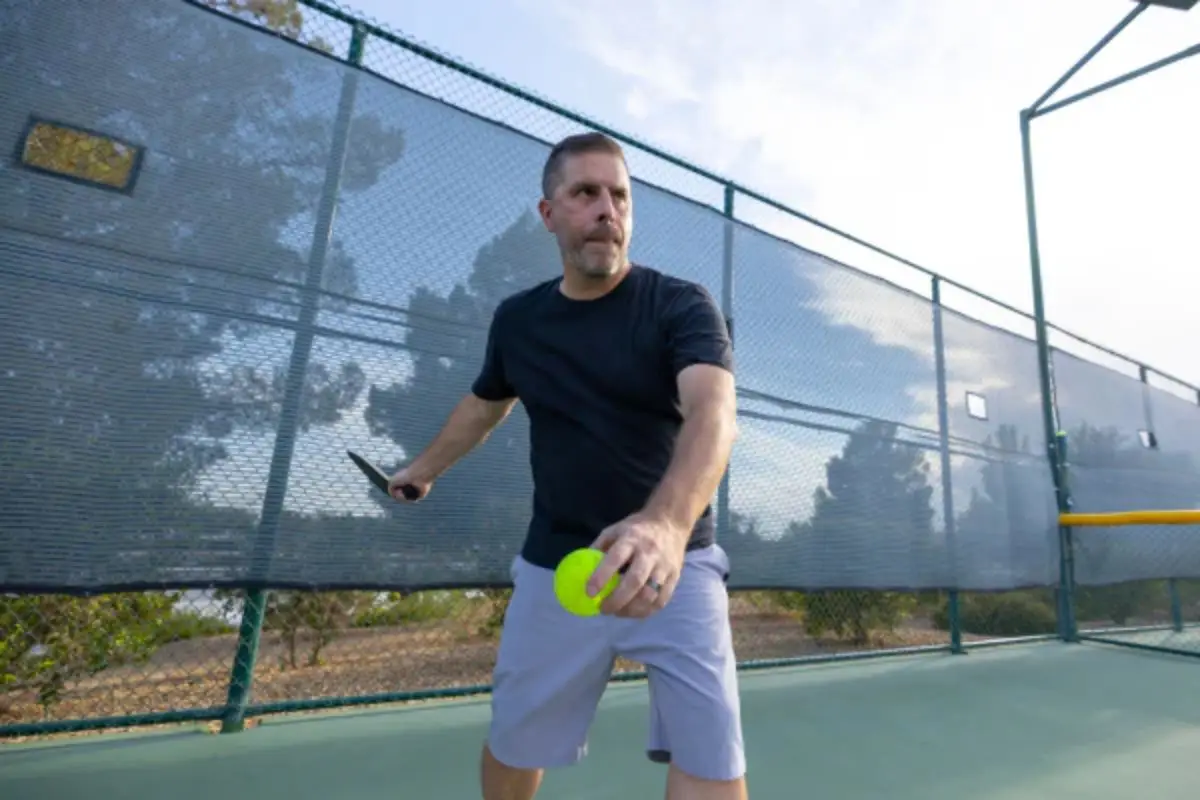
Crafting the Perfect Pickleball Serve: For those new to pickleball or struggling with their serves, mastering the basics can be the key to success. While this article provides essential tips to improve the service, it also includes valuable insight from the professional level that could benefit all players. Before diving into pickleball techniques like placement, power, and consistency, it is crucial to first understand the fundamental rules governing the serve.
Understanding Pickleball Serve Rules
The first rule to note is that both feet must remain behind the baseline when serving. While one foot may hover over the line, one foot must always be grounded during the ball’s contact. Jumping or serving overhand is prohibited—only an underhand serve is allowed. The paddle face must contact the ball below the wrist and waist, with the serve remaining underhanded. A drop serve is also permitted but requires the ball to be dropped naturally rather than thrown to increase its bounce height.
The serve must travel diagonally over the net, landing past the kitchen line. If it touches the kitchen line, it results in a fault. However, as long as the ball lands beyond the kitchen line, the serve is considered valid.
The Four Principles of a Great Serve
Before diving into the technical aspects, four key principles are essential to developing a solid serve: consistency, depth, placement, and power.
- Consistency: A good serve is one that reliably lands in the court. Missing half of the serves indicates a need for further practice.
- Depth: Whether the ball is hit softly or with force, serving deep into the court is an effective strategy.
- Placement: Where the serve lands is crucial. A well-placed serve can pull the opponent wide or target their backhand, creating an advantage.
- Power: Serving with added speed pushes the opponent back, setting up a favorable third shot.
Choosing Between the Drop Serve and Toss Serve
There are two primary types of serves in pickleball: the drop serve and the toss serve. Beginners may find the drop serve easier to execute, but players comfortable with the toss serve can use it as well. Regardless of the serve type, a three-point checklist should guide practice: feet, hands, and swing path. With consistent practice, these techniques will become automatic during gameplay.
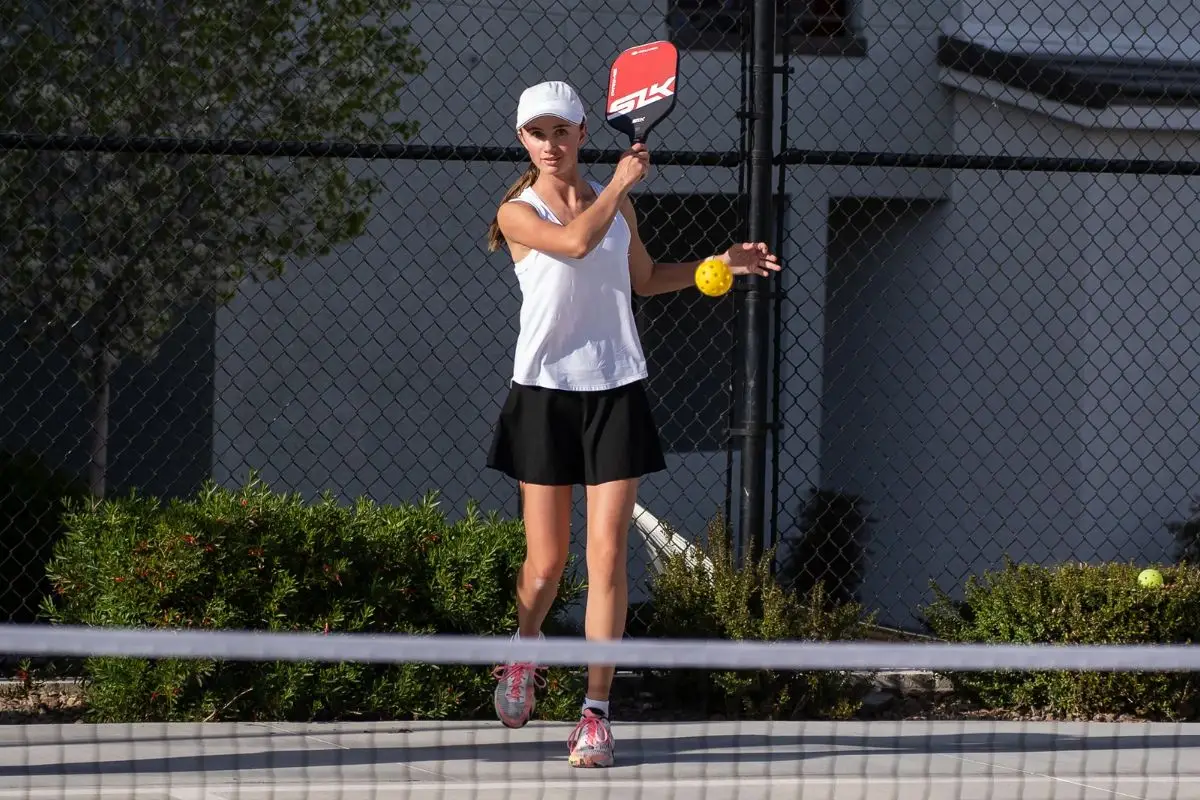
Drop Serve Technique
- Feet: For right-handed players, position the left foot at a 45-degree angle and the right foot parallel to the baseline. This stance facilitates hip rotation, generating power. Advanced players may use different footwork, but this basic positioning is effective for beginners.
- Hands: Keep the arm extended with the ball held in hand before dropping it. This promotes a consistent motion. Ensure the feet stay behind the baseline during the drop.
- Swing Path: The paddle should be held with a Continental grip, resembling a handshake. When dropping the ball, players should squat slightly, rotate the body, and rise to meet the ball, ensuring the paddle finishes the swing directed toward the target.
Toss Serve Technique
For the toss serve, the principles of feet, hands, and swing path remain the same. The difference lies in tossing the ball gently in front of the player instead of dropping it. The toss should not be too high, and the player should twist the core to generate power.
For added serve power, players should focus on shifting weight from the back foot to the front foot during contact. A rotational core twist further enhances speed, similar to the force generated in sports like baseball or football.
The Power of a Pre-Serve Routine
One lesson gained from playing at the professional level is the importance of a pre-serve routine. Much like basketball players who have a routine for free throws, pickleball players can benefit from a consistent ritual before serving. This helps to maintain focus and avoid lapses in concentration. A simple routine, such as two bounces followed by a deep breath, can keep players centered and ready for each serve.
News in Brief: Crafting the Perfect Pickleball Serve
This article provides a comprehensive guide to improving the pickleball serve for beginners. Key points include understanding the fundamental rules, mastering the principles of consistency, depth, placement, and power, and practicing two primary types of serves: the drop and toss serve. Additionally, the author shares a pro-level secret about the benefits of a pre-serve routine to improve focus and performance.
ALSO READ: Roscoe Bellamy’s Must-Know Pickleball Serve Hack to Perfect the Return of Serve