
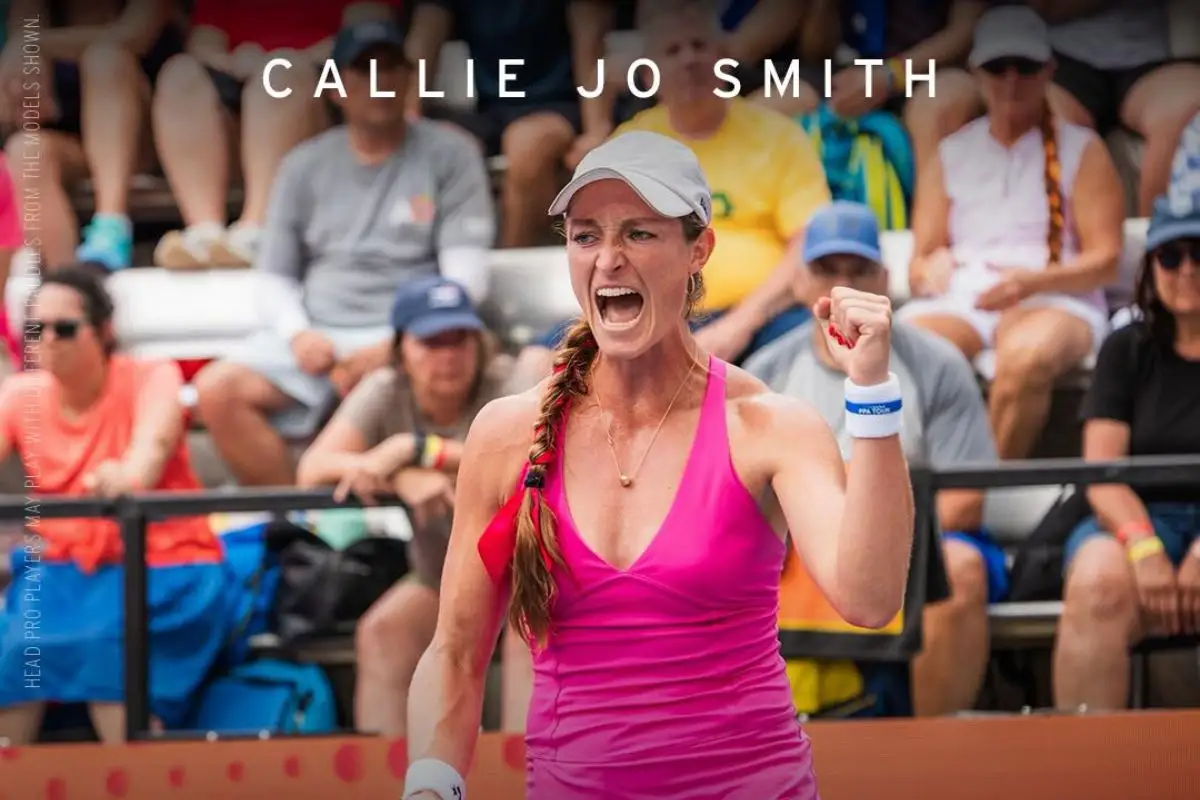
Callie Jo Smith’s Secret to Mastering Dink Rallies: Professional pickleball player Callie Jo Smith recently shared her insights into one of the most common and critical moments in doubles play: the dink rally in pickleball. In her Instagram post, she posed a crucial question to her followers: when the opponent pops up a ball, should you speed it up at the player who just hit it or their partner? Smith’s answer, grounded in strategic thinking, emphasizes how the situation and the partner’s positioning can significantly impact the decision.
Targeting the Right Opponent
Smith begins by discussing the importance of knowing when to target the player who popped the ball up and when to shift focus to their partner. “It really depends on who you’re playing, who your partner is, and what they can handle,” Smith explains.
She outlines that in a cross-court dink exchange, you have two primary options: attacking the person who just made the mistake or aiming for the opponent across the court. “It’s not as simple as just going for a winner,” Smith warns. “You have to think about the positioning of everyone on the court.”
Attacking Cross-Court: Risks and Rewards
When attacking cross-court, Smith highlights the need for precision and careful consideration of your partner’s readiness. “If I attack cross-court, I need to make sure it’s a low ball,” she says. “I aim for either the outside hip or the right hip to make the next shot more difficult for them.”
However, Smith emphasizes that this attack comes with risks. “When you go cross-court, you’re setting up your partner to be attacked as well,” she adds. This means that your partner needs to anticipate the counterattack, often coming right back at their body or hip. In other words, both players must be in sync for this pickleball strategy to be effective.
The Value of Attacking Down the Line
While attacking cross-court has its advantages in certain situations, Smith reveals that many experienced players prefer to attack down the line. “It’s a shorter distance, and you’re more likely to have control of the rally afterward,” she explains. By targeting the down-the-line shot, you’re able to force the opponent into a more difficult position while positioning yourself to be ready for a possible counter.
The benefit of this approach is clear: it reduces the risk of setting up your partner for an attack and increases your chances of staying in control of the rally. “You want to attack in a way that allows you to stay in the point, not just hit a flashy shot,” Smith notes.
Attack Timing: High vs. Low Shots
Smith also addresses the importance of shot timing when making an attack. A common mistake she points out is attacking a high ball, especially in a cross-court dink rally. “If you go high with your shot, please don’t attack cross-court,” she advises. “That’s when you risk exposing your partner to a strong counterattack.”
Instead, Smith recommends focusing on low, well-placed shots, whether cross-court or down the line. A well-timed attack with a low ball, especially when aimed at a player’s hip, makes it harder for the opponent to react and puts pressure on them to either miss the return or make a weak shot.
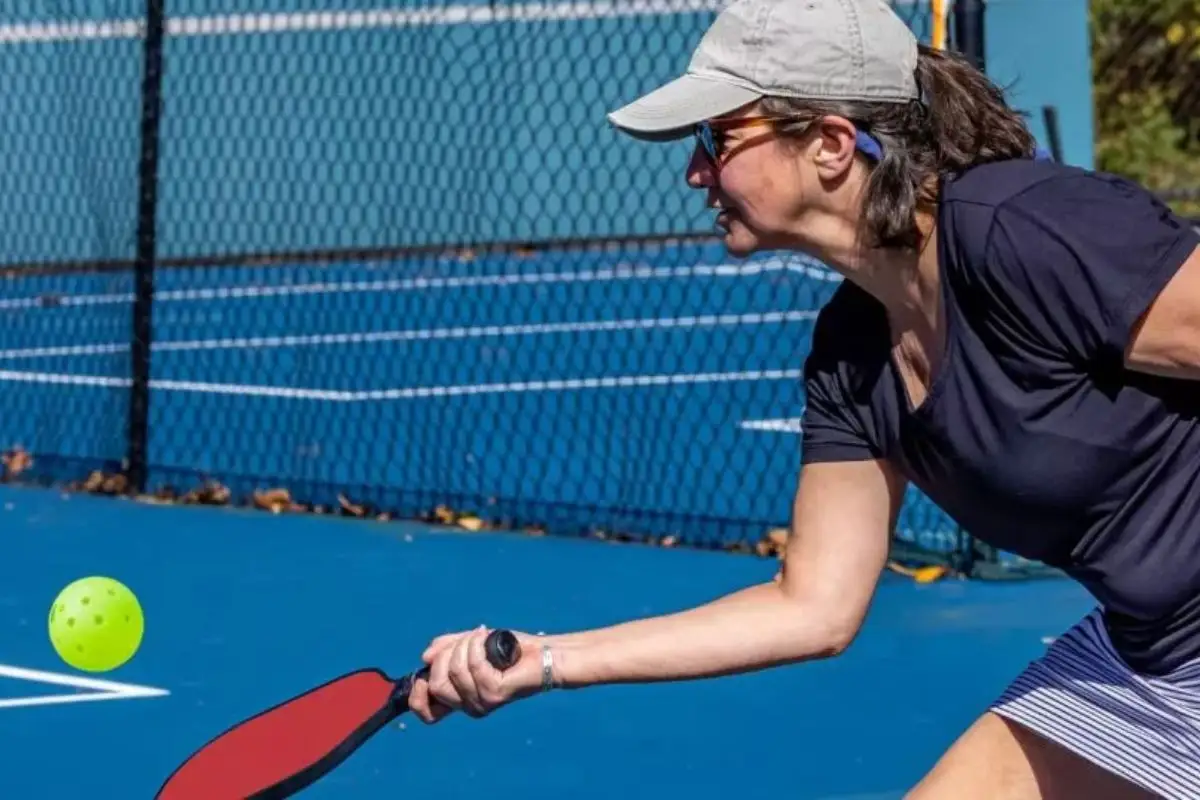
The Takeaway: Communication and Awareness
The key to successful doubles play, according to Smith, lies in communication and awareness. “If you’re attacking cross-court, make sure your partner knows,” she stresses. Both players must be on the same page to handle the inevitable counterattacks that come with such a strategy. Without clear communication, the risk of leaving your partner vulnerable increases.
News in Brief: Callie Jo Smith’s Secret to Mastering Dink Rallies
Professional pickleball player Callie Jo Smith shared valuable insights into dink rallies in doubles play. She emphasizes the importance of knowing when to attack the player who popped up the ball or their partner, based on court positioning and the partner’s readiness. Smith suggests that attacking down the line is often more effective than cross-court, as it reduces risks and maintains control of the rally.
Timing is key, with low shots being preferable to high ones. Effective communication between partners is crucial to avoid vulnerabilities and stay ahead of the opponent. Smith’s strategies help teams make smarter decisions on the court.
ALSO READ: Callie Jo Smith Breaks Down the Biggest Dinking Mistake And How to Fix It Instantly