
The release of the MLB Hall of Fame ballot this year reignited intense discussions about who truly belongs among baseball’s immortals. While the ballot includes several newcomers, none seemed to meet the high standards historically required for induction, fueling ongoing debates about player merit and legacy in Cooperstown.
Among the fresh names, Ryan Braun and Cole Hamels stood out as the most accomplished. Braun secured an MVP award and ranked in the top three for MVP voting twice in a five-year span, while Hamels notched 163 career wins with two Top 5 finishes in Cy Young voting. Despite their solid careers, both players fall short of what many consider Hall of Fame-worthy.
The other first-time candidates, including Shin-Soo Choo, Edwin Encarnacion, Gio Gonzalez, Alex Gordon, Matt Kemp, Howie Kendrick, Nick Markakis, Daniel Murphy, Hunter Pence, and Rick Porcello, were recognized as good players but not true legends in the eyes of many evaluators.
Controversies Surrounding Returning Players
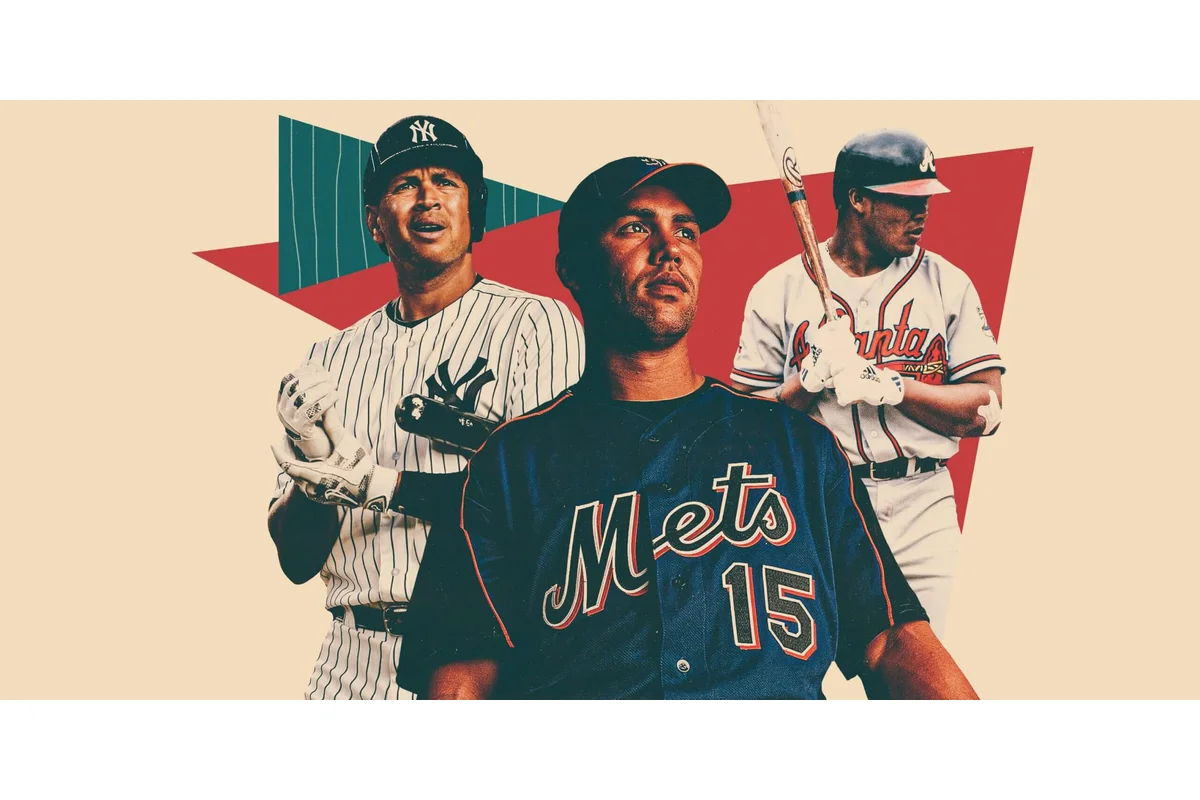
Returning names on the ballot brought additional complexity. While Manny Ramirez and Alex Rodriguez boast statistics that traditionally merit inclusion, both were excluded due to multiple violations of the league’s rules on performance-enhancing drugs (PEDs). Their disregard for these regulations raised questions about integrity and fairness, prompting voters to reconsider their candidacies.
Several other returning players also failed to meet the required threshold for induction. Torrii Hunter was viewed as a solid but not dominant player. Francisco Rodriguez, despite his role as a closer, did not reach the high benchmark set by Hall of Fame relievers. Mark Buehrle’s career was characterized as largely cumulative, Omar Vizquel was praised defensively but had average offensive output, and Bobby Abreu’s moderate power numbers as a corner outfielder did not stand out.
Jimmy Rollins’s offensive numbers placed him slightly below average, while injuries significantly hampered the careers of David Wright and Dustin Pedroia, limiting their chances of reaching Hall of Fame standards. Andy Pettitte’s career ERA of 3.85 was considered high for a pitcher aiming for induction.
Careful Evaluation of Candidates With Strong Careers But Limited Longevity
Several players who showed extraordinary peaks but faced career limitations drew serious consideration. Felix Hernandez dominated for a seven-year stretch, receiving Cy Young votes six times and winning once; however, his performances outside that period were less impressive. This raised doubts about whether a shorter era of excellence is enough to warrant entry into Cooperstown.
Infielders Chase Utley and Dustin Pedroia embodied the heart of their teams, earning MVP and Rookie of the Year honors, All-Star appearances, and Gold Gloves. Yet, persistent injuries restricted their playing time and ultimately their candidacies, despite their undeniable talent.
The debate among voters increasingly includes whether to honor players with remarkable career peaks despite shorter overall dominance, reflecting baseball’s evolving landscape where historic milestones like 200 wins or 3,000 hits are becoming rare. However, longevity and consistent performance remain key considerations for many traditionalists.
Players Earning Continued Support From Voters
Amid the turmoil, Carlos Beltran and Andruw Jones emerged as candidates who received strong backing. Beltran was just shy of the required 75 percent vote in his previous appearance, garnering 70.3 percent, and is expected to surpass that threshold this time. His credentials include three Gold Gloves, two Silver Slugger awards, 435 home runs, and 312 stolen bases, solidifying his reputation as one of the finest switch-hitters ever. Despite being involved in the Astros’ 2017 sign-stealing scandal, he was granted immunity by MLB, and thus voters like the author see no reason to penalize him further.
Andruw Jones, an elite defensive center fielder of the post-expansion era, has steadily increased voter support from 7.3 percent during his first year on the ballot to 66.2 percent last year. Though his chances might not be as strong as Beltran’s presently, he has remaining time on the ballot. Jones’s ten-year peak included consecutive Gold Glove awards and joining historic company with seven or more seasons of hitting 30 homers and winning Gold Gloves, alongside Willie Mays and Barry Bonds.
Challenges of Sustaining Elite Player Development Systems
Beyond Hall of Fame debates, the sustainability of top-tier player development systems remains a critical challenge across MLB. Teams struggle to consistently replenish talent after their best prospects advance to the major leagues, as player development does not follow a straightforward progression and circumstances can fluctuate year to year.
The Los Angeles Dodgers have stood out by maintaining one of the top three farm systems for consecutive years despite the inherent difficulties. While their high payroll often draws criticism, their sustained success also stems from their ability to constantly generate players ready to contribute in the majors or be used as valuable trade assets.
Red Sox’s Efforts to Build a Competitive Pipeline
The Boston Red Sox aspire to replicate this balance. Ranked No. 1 by Baseball America and MLB Pipeline a year ago, the Red Sox slipped to fifth after trading away depth at the mid-season deadline. Recent rankings show Baseball America returning them to the top spot, though other outlets have yet to update their assessments.
The expiration of rookie eligibility for key prospects Roman Anthony, Marcelo Mayer, and Kristian Campbell has altered the composition of Boston’s pool. The organization is now shifting focus to pitching development after previously producing a wealth of position player talent such as Jarren Duran, Ceddanne Rafaela, and Triston Casas.
Brian Abraham, the Red Sox’s Senior Director of Player Development, emphasized the cyclical nature of building and replenishing a farm system. He explained,
“I think there’s ebbs and flows to the acquisitions and the needs of an organization,”
and added,
“Our job is to raise the floor and provide guys with opportunities to get better and improve.”
Abraham highlighted the organization’s ability to leverage pitching depth from prospects like Richard Fitts, Hunter Dobbins, and Brandon Clarke to acquire established players such as Sonny Gray and Willson Contreras, demonstrating a strategic approach balancing internal growth and external trades.
Prospects and Long-Term Outlook for the Red Sox
Recent rankings underscore the strength of Boston’s pitching prospects. Payton Tolle is ranked as the second-best left-handed pitching prospect by Baseball America and MLB Pipeline, while Connelly Early appears in the top ten. Additional prospects such as David Sandlin, Jake Bennett, and Kyson Witherspoon—last year’s first-round pick—add depth to the pipeline.
Despite recent success in graduating major leaguers, Abraham resists accepting any downturn as inevitable. He stressed the importance of aligned organizational philosophy, strong staff, and consistent processes to maintain a robust system.
“And then it’s about giving the players a chance to get better with the goals we provide to them, and making sure they have the coaches, the goals, the resources, the tools, to improve their craft,”
he said.
Abraham acknowledged the reality of fluctuating success but remains confident that the Red Sox are progressing on the right path to ensure ongoing competitiveness through player development.
