

On Thursday morning, Alex Bregman arrived at Chicago’s historic Wrigley Field alongside his wife and two young sons, marking the start of a significant new phase in his accomplished baseball career. This move represents a major victory for the Chicago Cubs organization and comes as a surprising setback for the Boston Red Sox, who lost a key player in free agency.
Immediate Impact and Leadership with the Cubs
At his introductory press event, Bregman demonstrated the leadership qualities the Red Sox are now missing. Upon joining the Cubs, he quickly began engaging with top prospects such as Roman Anthony, Kristian Campbell, and Marcelo Mayer, echoing his approach when he first arrived at the Red Sox last spring.
Cubs president Jed Hoyer praised Bregman’s dedication to his new teammates and the organization.
“Within two days of signing, he had asked for reports on every player and what they’re working on to make sure that he was talking about the right things with those players,”
Hoyer said. He added,
“He asked for a meeting with all the minor league staff that’s in Arizona to talk about hitting philosophy to make sure he was talking about the right things. He has already called almost all of our players to talk to them.”
Insights Into the Negotiation Process with Boston and Chicago
Details have emerged over recent days regarding how Bregman’s negotiations with Boston unfolded, and why he ultimately chose to sign a five-year, $175 million contract with the Cubs. At Thursday’s press conference, Bregman and his agent Scott Boras spoke openly about the rigorous and sincere pursuit by Chicago, which began immediately after Bregman opted out of the final two years of his previous $120 million deal with Boston.
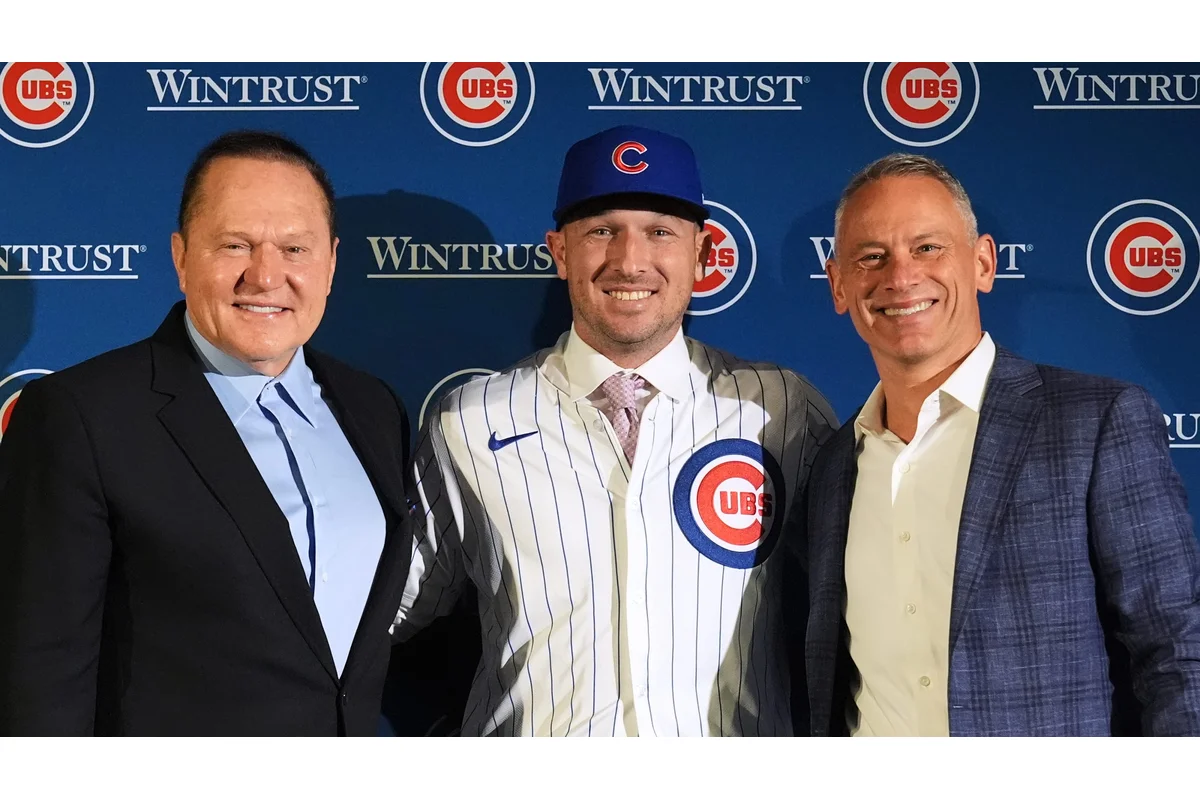
Bregman reflected on the early signs of the Cubs’ commitment:
“Literally, the first second free agency really opened, it felt like we knew the Cubs wanted our family to be here. We had a lot of conversations over the course of the first three months of the offseason. … It was pretty evident they wanted me to be here.”
Family and Winning as Central Priorities
Addressing how the Cubs responded to his personal priorities, Bregman spoke carefully but with clear undertones concerning Boston’s shortcomings.
“The two most important things to me are my family and winning baseball games,”
he explained.
“From the beginning of the offseason, the Cubs expressed to me that they wanted me to be here, and they were committed to that and committed to my family.”
This emphasis on family stability appears to have played a crucial role in his decision-making.
Boston’s No-Trade Clause Refusal Influenced Decision
One of the main reasons Bregman opted to leave Boston was the Red Sox organization’s unwillingness to grant him a no-trade clause, something that the Cubs were prepared to offer. Boras highlighted the significance of this point:
“The no-trade clause was important, and being able to assure he’s going to be in one city.”
For a family-oriented athlete like Bregman, who witnessed how the Red Sox front office treated Rafael Devers — a potential franchise cornerstone and the team’s highest-paid player — the desire for stability was particularly strong.
Bregman elaborated,
“Being able to be in a place that offered stability and a place that showed how much they cared about me is super important to me and my family. I have a young family and we can’t wait to raise our kids here in Chicago.”
Cubs’ Alignment with Bregman’s Values
Throughout the free agency process, Bregman stressed that his decision was shaped largely by how well the Cubs matched his personal and professional goals.
“In free agency, you get to listen to the team’s needs,”
he said.
“The Cubs valued what I cared about.”
Significance of Bregman’s Move and Future Implications
Alex Bregman’s signing marks a critical acquisition for the Chicago Cubs as they aim to strengthen their roster with proven leadership and talent. For the Boston Red Sox, losing Bregman not only deprives the team of a skilled third baseman but also highlights possible organizational issues, especially regarding player relations and contract negotiations.
The commitment shown by the Cubs in securing Bregman, through both financial terms and personal assurances such as the no-trade clause, sets a high bar for how the franchise values its players. This could influence future free-agent negotiations league-wide, as teams seek to demonstrate care beyond contract figures alone.
Meanwhile, Bregman’s immediate involvement with minor league players and coaching staff signals his role will extend beyond performance, contributing to culture-building within the Cubs organization. His eagerness to mentor and engage closely with teammates may enhance the team’s cohesiveness and competitiveness in the coming seasons.
