
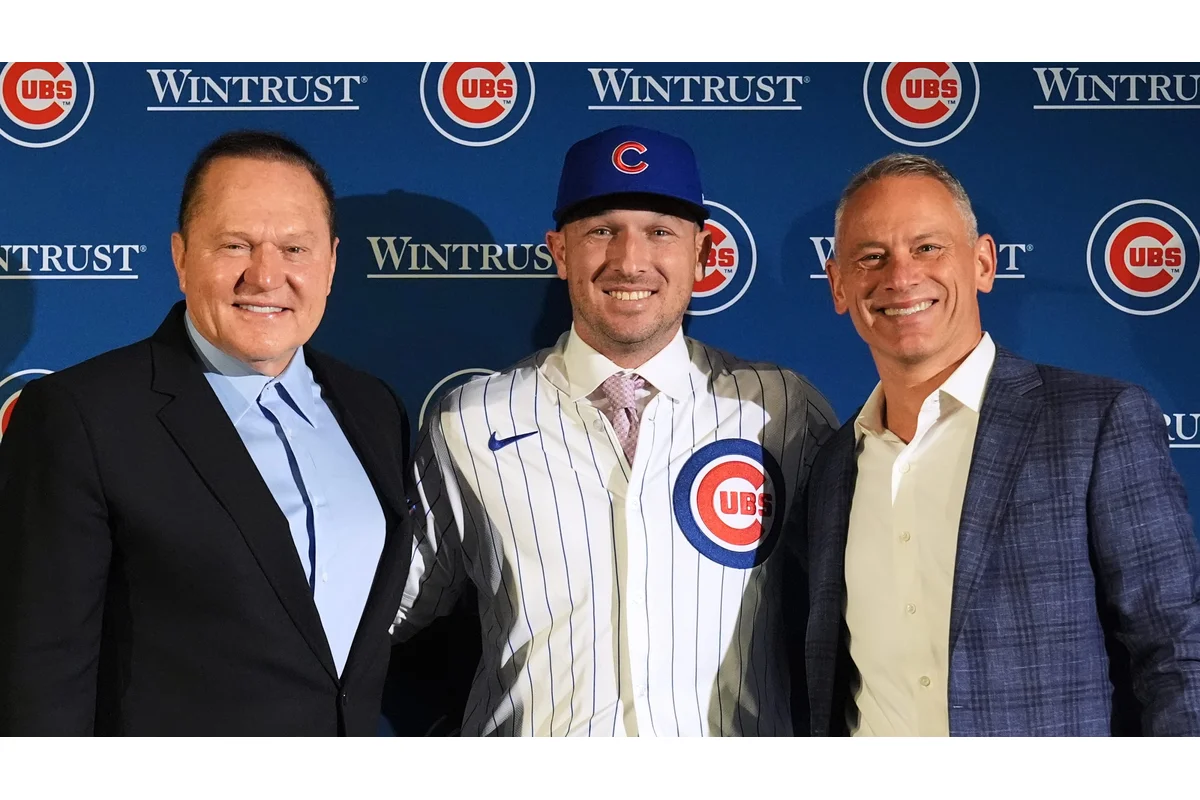
The Chicago Cubs made headlines with the signing of Alex Bregman to a five-year, $175 million contract in 2024, marking a new chapter in the team’s approach to free agency. This deal stands out amid a franchise known for steady but modest free-agent spending and signals an ambitious shift led by general manager Jed Hoyer. The Cubs’ rich sports culture and Chicago’s enticing living environment make the city a compelling choice for elite players like Bregman, whose addition is expected to strengthen the team both on the field and in the clubhouse.
The Appeal of Chicago as a Home and Baseball Hub
Chicago’s status as home to five major professional sports teams—the fourth most in the nation—creates an ideal backdrop for athletes seeking a vibrant home base. Beyond baseball, Chicago offers a lower cost of living compared to other major U.S. cities, world-class cultural institutions like the Art Institute of Chicago, and abundant outdoor activities along Lake Michigan and the Chicago River. Its renowned food scene, including notable establishments like Nobu and a Starbucks Reserve Roastery, further enhances the city’s quality of life, adding to its appeal for sports professionals and their families.
Tracking the Cubs’ Most Significant Contracts Before Bregman
Before Bregman’s arrival, the Cubs’ franchise record was held by outfielder Jason Heyward, who signed an eight-year, $184 million deal. Heyward’s signing followed a strong season with the St. Louis Cardinals, yet his offensive production with Chicago fell short of expectations. Though his batting average was a modest .245 and his offensive metrics were below elite levels, his defensive prowess earned him three consecutive Gold Gloves with different teams, a major achievement reflecting his defensive value. Heyward also earned praise for his leadership and clubhouse presence before being released with a year remaining on his contract in 2022.
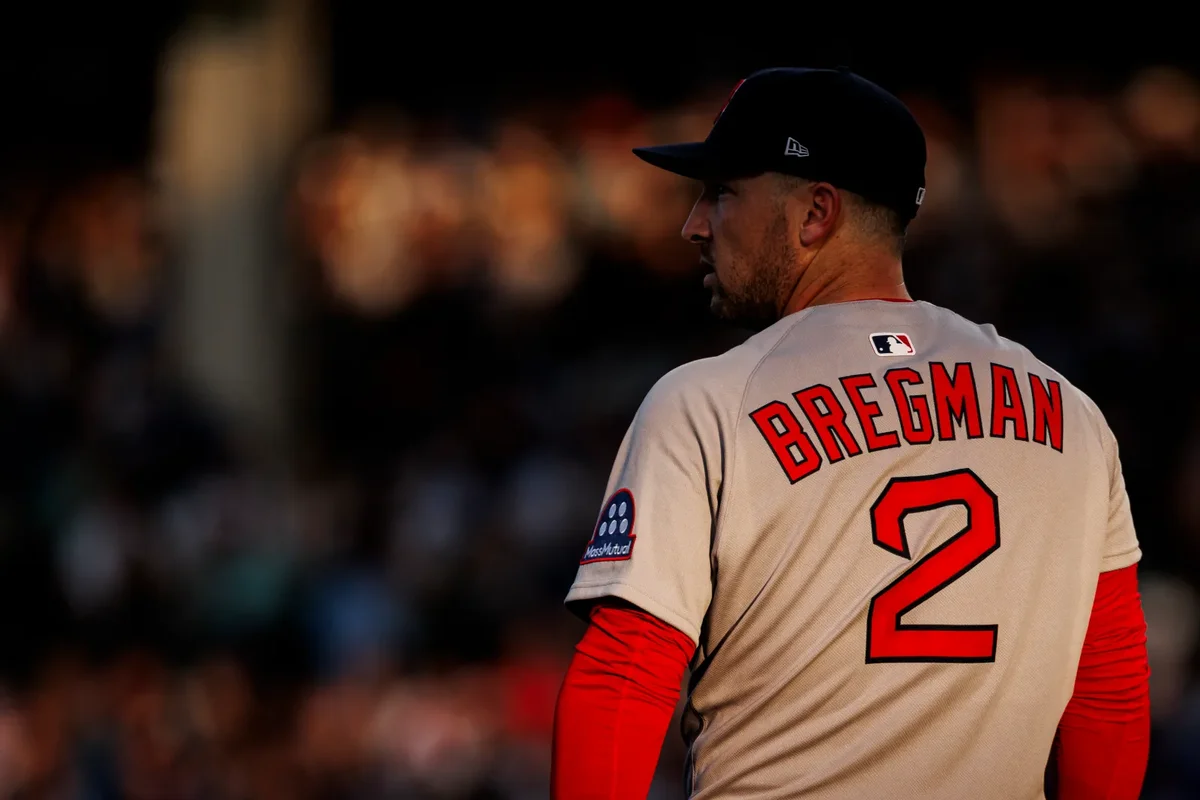
Dansby Swanson’s seven-year, $177 million contract represents another major investment. Three seasons into this deal, Swanson delivers average offensive numbers but stands out as one of the best defensive shortstops in the league, ranking third in Outs Above Average and Fielding Run Value among qualified players since 2023. Beyond statistics, Swanson’s influence as a mentor to younger players such as Pete Crow-Armstrong and Matt Shaw adds intangible value to his contract.
Context and Expectations Surrounding Bregman’s Contract
Alex Bregman’s signing ranks just below Heyward’s and Swanson’s deals, yet it carries a promising balance of proven performance and leadership. His five-year, $175 million contract reflects the Cubs’ willingness to commit to a player they believe can immediately elevate their lineup and clubhouse. Analysts from North Side Baseball have extensively examined Bregman’s contributions, breaking down his batting approach, power potential at Wrigley Field, and his fit within the Cubs’ offensive strategy. These insights highlight Bregman as a complementary addition who fills an important gap for Chicago.
Historical Free-Agent Contracts in Cubs’ Recent Memory
Jon Lester’s six-year, $155 million contract, signed before Bregman’s, marked another significant investment in a player known as a reliable ace and clubhouse leader. Lester’s pitching style, defined by consistency rather than overpowering velocity, helped stabilize the Cubs’ rotation and contributed to ending the team’s century-long World Series drought. Though his advanced statistics offer only average figures, his innings pitched and leadership roles had considerable impact.
Before Lester, Alfonso Soriano’s eight-year, $136 million contract was noteworthy in its time. Soriano delivered solid offensive output, leading the Cubs in fWAR during his tenure while hitting at least 20 home runs each season. His defensive performance declined as he aged, but his veteran professionalism and role model status earned respect within the team. Soriano’s contract ended after a trade to the Yankees with just over a year remaining.
Assessing Long-Term Risks and Rewards of Bregman’s Deal
Long-duration free-agent contracts often carry risks of declining performance with age, but the Cubs’ financial stability allows them to weather potential downturns. In 2024, the franchise generated $585 million in revenue, ranking third in Major League Baseball, providing the flexibility to absorb the later years of Bregman’s deal if necessary. The organization’s emphasis on clubhouse leadership and proven winners aligns well with Bregman’s profile, presenting a calculated but hopeful outlook for the team’s future.
The Strategic Shift Signaled by the Bregman Signing
Under Jed Hoyer’s leadership, the Cubs appear to be shifting from a conservative free-agent approach to one that embraces top-tier talent capable of both performance and leadership. Bregman, with his established track record and respected clubhouse role, fits this model perfectly. His signing positions the Cubs to contend more aggressively while maintaining the strong team culture valued by management and players alike.
Looking Ahead: What Bregman’s Contract Means for the Cubs
Alex Bregman’s contract not only reflects a significant financial commitment but also a strategic investment in the team’s competitive future. By bringing in a player of his caliber to Wrigley Field, the Cubs aim to enhance their on-field production and bolster their clubhouse dynamic. As the deal progresses, its success will depend on Bregman’s ability to contribute consistently, the team’s financial management, and the continued development of emerging talent like Swanson, Crow-Armstrong, and Shaw. This deal marks an urgent and hopeful step toward restoring Chicago’s prominence in Major League Baseball.
