
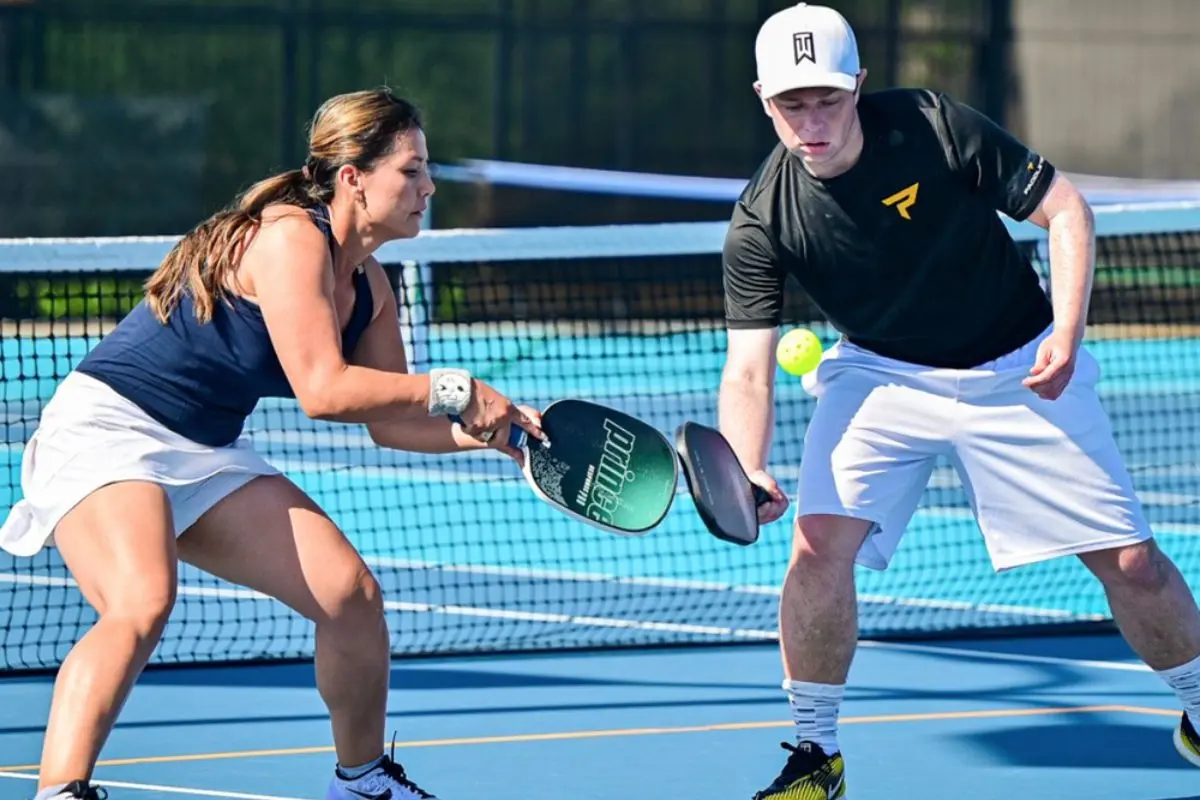
Importance of Hydration in Pickleball: Pickleball players need to stay hydrated and maintain proper electrolyte levels during their games to avoid fatigue, muscle cramps, and dehydration. The intense nature of pickleball causes players to sweat, losing essential minerals like sodium, potassium, magnesium, and calcium. Replenishing these electrolytes is vital for optimal performance on the court.
Why Hydration and Electrolytes Matter for Pickleball
As pickleball is a fast-paced sport, players lose fluids quickly, especially during extended sessions. Electrolytes play a crucial role in nerve function, muscle contraction, and fluid balance.
If these electrolytes aren’t replaced, players could face issues like fatigue, cramping, and dehydration, which can affect their gameplay and recovery.
Key Electrolytes and Their Role
- Sodium: The most important electrolyte lost through sweat. It helps maintain fluid balance and supports nerve function.
- Potassium: Vital for muscle contractions and heart rhythm. It helps counterbalance sodium levels.
- Magnesium: Essential for muscle relaxation and energy production.
- Calcium: Supports muscle contractions and bone health.
Hydration and Electrolyte Guidelines
To stay hydrated and maintain electrolyte balance, here are some simple guidelines for pickleball players:
- Pre-Game: Players should drink 12–20 ounces of fluid (water or a light electrolyte drink) about 2 hours before playing.
- During the Game: It’s recommended to drink 4–8 ounces every 15–20 minutes, and for longer sessions, add electrolytes to your drink.
- Post-Game: Players should drink 16–24 ounces of fluid for every pound (0.45 kg) of body weight lost during play.
How Much Electrolyte Solution is Enough?
For moderate exercise where significant sweating occurs, experts suggest consuming 300–600 mg of sodium per hour. Other electrolytes like potassium and magnesium are usually taken in lower amounts and can be replenished through food and drinks.
Hydration Tips for Different Session Durations
-
Short Sessions (Up to 30 minutes): Players should aim for 8–12 ounces of water or a light electrolyte drink before the match. During the session, water alone is typically enough. Afterward, a light electrolyte solution can help restore fluid balance.
-
Medium Sessions (30–60 minutes): Players should drink 12–16 ounces of water before the session, along with around 200–300 mg of sodium and 50–100 mg of potassium. During the match, consuming 4–8 ounces of an electrolyte drink every 15–20 minutes is essential to replace lost sodium and potassium.
-
Longer Sessions (1-2 hours or more): Before a long match, players should hydrate with 16–20 ounces of fluid 1–2 hours in advance, containing 300–500 mg of sodium and 50–100 mg of potassium. During the match, 4–8 ounces every 15–20 minutes is ideal to maintain sodium and potassium levels.
Special Considerations for Different Age Groups
Hydration and electrolyte needs can vary by age:
-
Adults (19–50 years old): These players should aim to drink 12–20 ounces of water before a match, with electrolyte levels adjusted based on sweat loss. During longer matches, they should drink 4–8 ounces of an electrolyte solution every 15–20 minutes.
-
Older Adults (50+ or 60+): These players might need to drink 12–16 ounces before the game and 4–6 ounces during the match. It’s important to manage sodium intake carefully, especially for those with hypertension or other health issues.
Practical Hydration Tips
- Dilute Sports Drinks: To reduce sugar intake, players can dilute standard sports drinks with water while still benefiting from electrolytes.
- Monitor Fluid Loss: Players should weigh themselves before and after a match to track fluid loss and adjust hydration levels accordingly.
- Combine Hydration with Real Foods: Eating foods high in potassium, magnesium, and sodium, such as bananas, nuts, and pickles, can complement electrolyte drinks.
Foods High in Electrolytes
- Bananas: High in potassium (~422 mg per medium banana), perfect for before or after a match.
- Avocados: Contain potassium (~485 mg) and magnesium (~29 mg), ideal for a post-game snack.
- Spinach: Rich in potassium (~167 mg per cup), magnesium (~24 mg), and calcium, great in a post-game meal.
- Coconut Water: Contains potassium (~600 mg per 11–12 oz) and sodium (~40–60 mg), perfect after play.
- Pickles: High in sodium (~210 mg per spear), a quick post-game sodium boost.
- Greek Yogurt: Contains sodium (~111 mg), potassium (~141 mg), and is a good post-game snack.
- Salted Nuts/Seeds: Rich in sodium (~80–120 mg), potassium (~50 mg), and magnesium (~40–50 mg).
News in Brief: Importance of Hydration in Pickleball
Hydration and electrolyte balance are key for pickleball players to maintain performance during games. Pre- and post-game hydration, along with regular electrolyte replenishment, can help players avoid fatigue and cramps. Players should monitor their fluid loss and replenish it for optimal recovery.
ALSO READ: This Pickleball App Just Secured Millions—Here’s How It Helps Pickleball Players!