
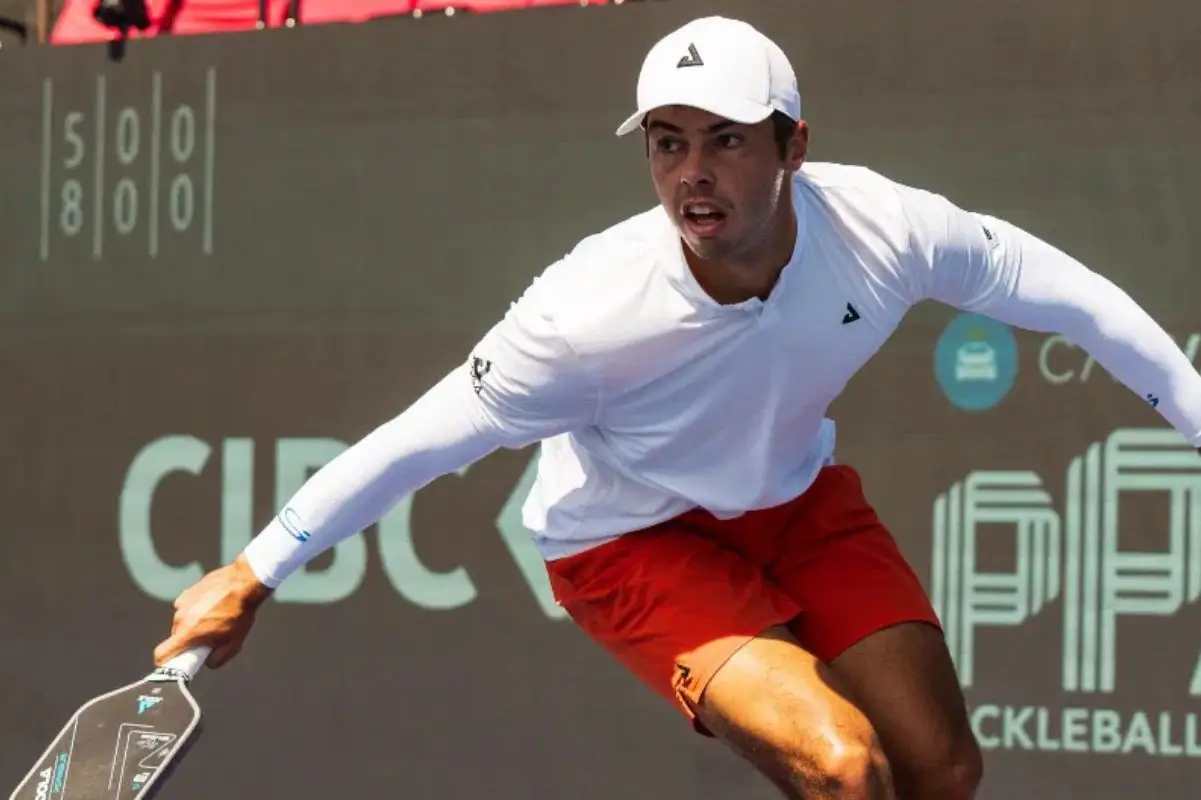
The Pickleball Doctor’s Impact: Dr. Noe Sariban, known as The Pickleball Doctor, travels with top player Ben Johns to tournaments, helping him recover after long days on court. A trained physical therapist and former pro player, Sariban uses his sports knowledge and therapy skills to keep Johns healthy and ready to compete.
A Unique Role in Professional Pickleball
Sariban has worked with Johns for over two years. He supports the world-class player through physical therapy and recovery routines at events across the country. Sariban started The Pickleball Doctor about seven years ago after playing at the pro level and earning his Doctor of Physical Therapy degree.
“I used to play at the pro level in pickleball and I’m also a Doctor of Physical Therapy, so I combined those things about seven years ago and formed The Pickleball Doctor,” (Dr. Noe Sariban).
View this post on Instagram
Using His Background to Help the Best
Sariban became a licensed physical therapist in 2013. He saw how his understanding of movement and performance could benefit athletes in the growing sport of pickleball.
“Being a physical therapist gives me a very good understanding of human biomechanics, so that helps for motion and movement on the court, as well as hitting the ball and using the whole kinetic chamber. That’s a big advantage,”. “My background in sports before my education as a physical therapist came together and helped overall in pickleball.”(Dr. Noe Sariban)
How the Partnership with Johns Started
Sariban met Johns in 2017 while they were competing. He offered to help if Johns ever wanted a PT. Several years later, Johns reached out, and they’ve worked together ever since.
Why Singles Matches Are So Tough
Sariban explained that singles pickleball is physically demanding, even more than some other sports.
“I think singles pickleball is more strenuous than tennis. I’m not saying that tennis is easier, but from a movement standpoint, the movements are more aggressive and the ball doesn’t bounce as much, which means you have less time to get to the ball,” (Dr. Noe Sariban).
“Pickleball is closer to basketball movements than it is to tennis because of the forward, side-to-side, backpedaling, and pivot movements. They’re all more similar to basketball. The difference is that basketball does it over a longer period of time, whereas in pickleball, the singles points average I’d guess somewhere between four to eight seconds, which is a quick turnaround,” (Dr. Noe Sariban).
The Importance of Recovery Work
Sariban stressed how vital proper recovery is for long-term health and performance.
“Recovery is not very well understood and it’s going to vary from person to person, but generally speaking you want to do some kind of cool down routine. After you’re done playing, you actually continue to do some movement to slowly bring your heart rate down and continue to have blood flow throughout your body,”.
“If you just stop and go sit down, it’s okay, but it’s not as good as if you were to keep moving. Getting on a bike, walking, or doing your warmup routine in reverse can be a good cool down.”(Dr. Noe Sariban)
Managing Time Between Matches
Because tournament schedules vary, Sariban adjusts recovery methods based on how long players rest between matches.
“At tournaments, players can have weird schedules in terms of how much time they have between matches. There’s not a lot of sports where you play fully, stop for an hour or two, then go back to playing your second match that same day. As much as you can, come down slowly from playing. If you have enough time to stretch, stretch. If not, don’t because you don’t want to stretch too close to playing again,”.
“Stretching too close to a match is not great for what’s called power output and your muscles to perform at their best. I’d recommend that if you have more than an hour between your matches, stretch. But if it’s less, I wouldn’t recommend it.”(Dr. Noe Sariban)

What a Full Recovery Routine Looks Like
In a perfect world, Sariban follows a clear plan after matches.
“Ideally, I would do a series of movements to cool down, followed by a stretch session. But because of time constraints that doesn’t always happen. One thing is consistent, at the end of the day we usually spend somewhere between 40 minutes to an hour stretching and focusing on certain areas to address and get him ready for the next day’s match,” (Dr. Noe Sariban).
View this post on Instagram
Building a Career Beyond the Court
In addition to working with Johns, Sariban travels to coaching camps and recently launched his own podcast.
“Combining physical therapy and pickleball has been fun because it allows me not to do the same thing all the time. It breaks everything up when I travel to tournaments with Ben, and then I coach camps. It’s a great balance and so much fun,” (Dr. Noe Sariban).
Why It Matters
Sariban plays a key role in helping Johns stay healthy and perform at the top of his game. His work highlights how important recovery and physical care have become in modern pickleball. With players competing in multiple matches per day, specialists like Sariban are essential to long-term success on the court.
News in Brief: The Pickleball Doctor’s Impact
Dr. Noe Sariban, known as The Pickleball Doctor, supports pro player Ben Johns at tournaments by managing his recovery. A former player and physical therapist, Sariban uses his background to keep Johns ready for competition. His work shows the growing role of health experts in professional pickleball.
ALSO READ: Pickleball Pro Reveals Game-Changing Tips for Mastering Aggressive Third Shot Drops