
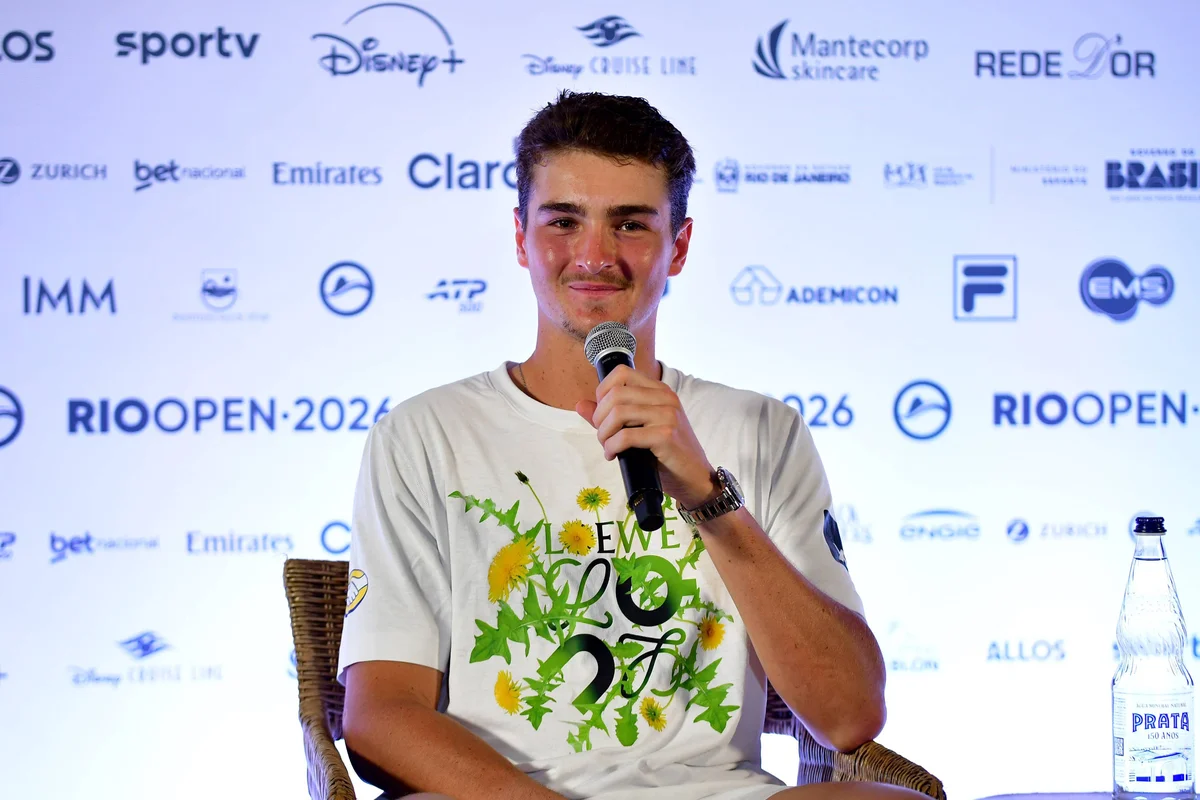
Francisco Cerundolo voiced frustration over the match scheduling at the Rio Open, held in Brazil earlier this month, suggesting that tournament organizers gave preferential treatment to Joao Fonseca. Cerundolo, Argentina’s top-ranked player, retired from his second-round match against Thiago Agustín Tirante on February 18 due to a wrist injury, after facing a strenuous match schedule in contrast to Fonseca’s more favorable timetable.
Cerundolo had just arrived in Rio following an intense victory at the Argentina Open in Buenos Aires on February 15, where he defeated Luciano Darderi in the final. Despite his status as the tournament’s top seed and a strong favorite, Cerundolo struggled to recover from the demanding schedule, while Fonseca, who had exited the Argentina Open early, appeared better rested and poised in Rio.
Details of Cerundolo’s Injury and Match Pressures
Cerundolo was forced to retire during his second-round contest after falling behind 2-6, 1-3 to Tirante. The Argentine admitted that a wrist injury, combined with exhaustion from back-to-back matches, affected his performance. While Fonseca had the advantage of a day’s rest between his matches, Cerundolo had to play consecutive days, a condition he had explicitly requested to avoid but was denied by the organizers.
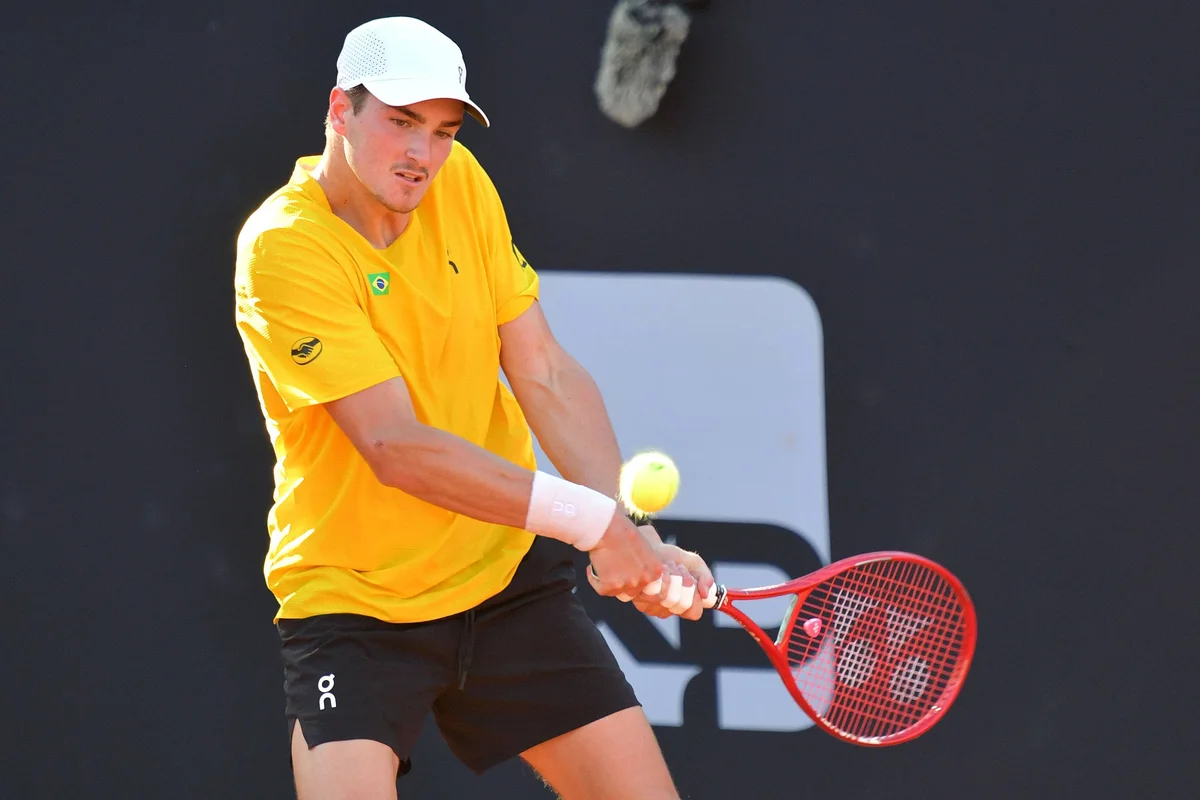
“I didn’t expect to have to play two consecutive matches yesterday and today. I had asked not to be scheduled like that, but I wasn’t given a choice. I already know who they’re prioritizing… A lot of matches, a lot of wear and tear, your body can play tricks on you. I was a bit exhausted.” ?Francisco Cerundolo, Argentine tennis player
This scheduling disparity contributed to Cerundolo’s early exit, leaving Fonseca as a leading contender in the Rio Open after the departure of other top seeds like Luciano Darderi and Cerundolo himself.
Implications of Cerundolo’s Retirement on the Tournament Landscape
The early elimination of Cerundolo and Darderi has significantly altered the competitive scene at the Rio Open. With the other top seeds out, only Tomas Martin Etcheverry and Joao Fonseca remain ranked players in the draw, with several second-round matches still to be completed. Cerundolo and Fonseca were expected to meet in a semi-final rematch of the Argentina Open final, adding further weight to Cerundolo’s disappointment.
Cerundolo’s wrist discomfort hampered his movement on court, making it difficult to sustain his usual level of play. He commented on the injury’s effect on his performance during his post-match press conference:
“It hurt my right waist a little, it didn’t prevent me from playing, but it was very difficult to move sideways. When you’re not 100% physically, it gets very difficult, you can lose to anyone. I made a request (to play on Thursday), but they didn’t give me a chance.” ?Francisco Cerundolo, Argentine tennis player
Beyond Singles: Cerundolo’s Exit from Doubles and Upcoming Plans
In addition to his singles withdrawal, Cerundolo and his fellow Argentine Francisco Comesana have also been eliminated from the doubles competition, having been scheduled to face Germans Jakob Schnaitter and Mark Wallner in the opening round. The Argentine hopes to recover fully ahead of the next ATP event in Acapulco, aiming to return to full fitness and competitiveness.
Meanwhile, Tirante, who advanced after Cerundolo’s retirement, is set to face the winner between Alejandro Tabilo and Italian lucky loser Francesco Passaro in the tournament quarter-finals. Notably, Tabilo had previously defeated Fonseca in the second round of the Argentina Open, which adds an intriguing layer to the Rio Open draw going forward.
Current Standings and What Lies Ahead at Rio Open
The Rio Open is now shaping up with fewer seeded players left to contend for the title. The absence of Cerundolo, the highest-ranked player there at World No. 19, and Darderi has shifted expectations largely in favor of Joao Fonseca. Although Fonseca lost earlier in Argentina, his strong start in Rio and the elimination of major rivals place him among the clear favorites to claim the ATP 500 tournament in Brazil.
As the tournament progresses, players like Tomas Martin Etcheverry have the opportunity to capitalize on the open field. The physical demands and scheduling concerns raised by Cerundolo highlight ongoing challenges players face in balancing recovery and competitive fairness at high-level events.
