
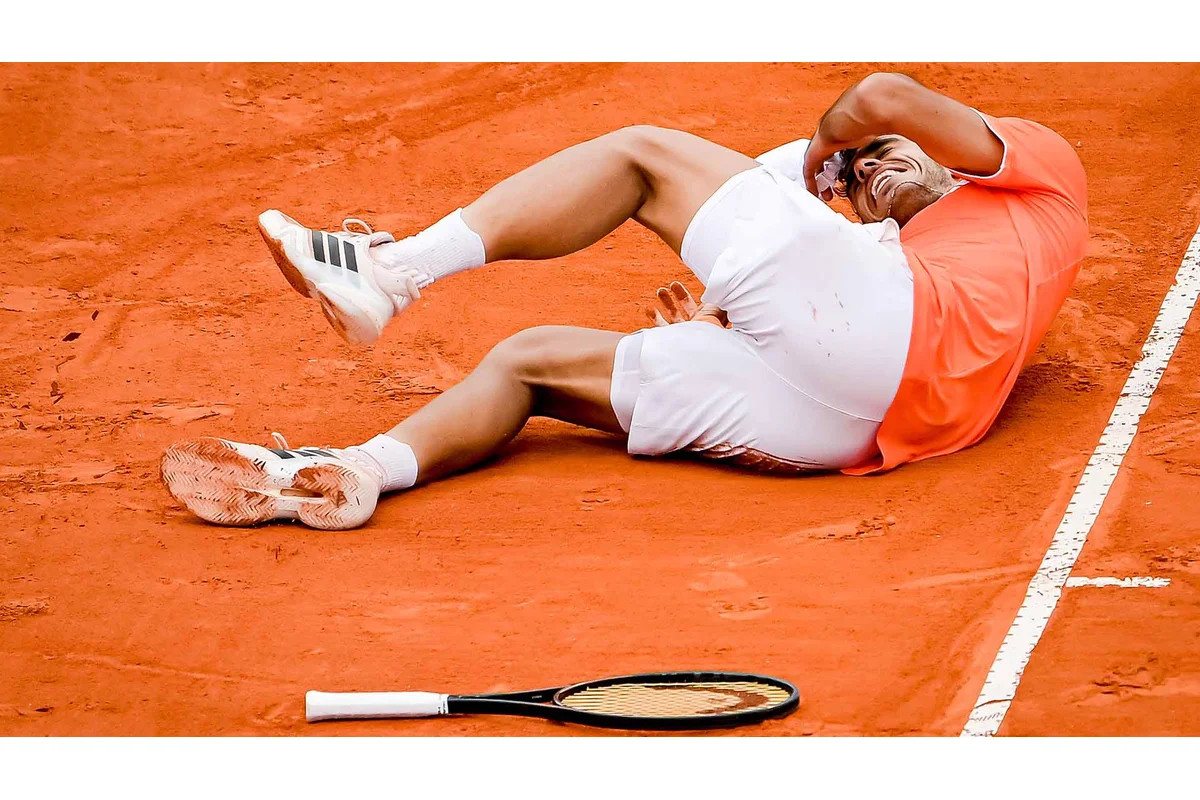
Francisco Cerundolo’s unexpected early departure from the Rio Open on Wednesday has brought attention to a growing dispute involving Francisco Cerundolo scheduling dispute within professional tennis. The Argentine player, ranked World No. 19, retired trailing Thiago Tirante 6-2, 3-1 in the tournament’s second round, after voicing frustration about conditions behind the scenes at the event held in Rio de Janeiro.
Following the sudden end to Cerundolo’s campaign, Rio Open officials firmly denied claims that the player had requested any scheduling accommodations. Their response reiterated that all match scheduling followed established ATP protocols, emphasizing their commitment to transparency and balancing the demands of players, fans, and broadcasters.
Details of Cerundolo’s Early Defeat and Scheduling Dispute
Cerundolo’s loss to rising star Thiago Tirante was unexpected, especially given his momentum from a recent victory at the Argentina Open. However, the Argentine’s irritation focused less on the defeat and more on what he perceived as unfair scheduling arrangements. Despite his objections, tournament organizers stated that no formal request had been submitted by Cerundolo to alter his match times.
In an official communication shared publicly, the Rio Open stressed that
“all decisions are made in accordance with ATP protocols and guidelines, with complete transparency.”
They also highlighted their responsibility to consider the interests of athletes, spectators, and national and international television broadcasters alike. Facing a packed calendar, particularly in ATP 500 events like Rio, back-to-back matches are a known challenge that players must manage.
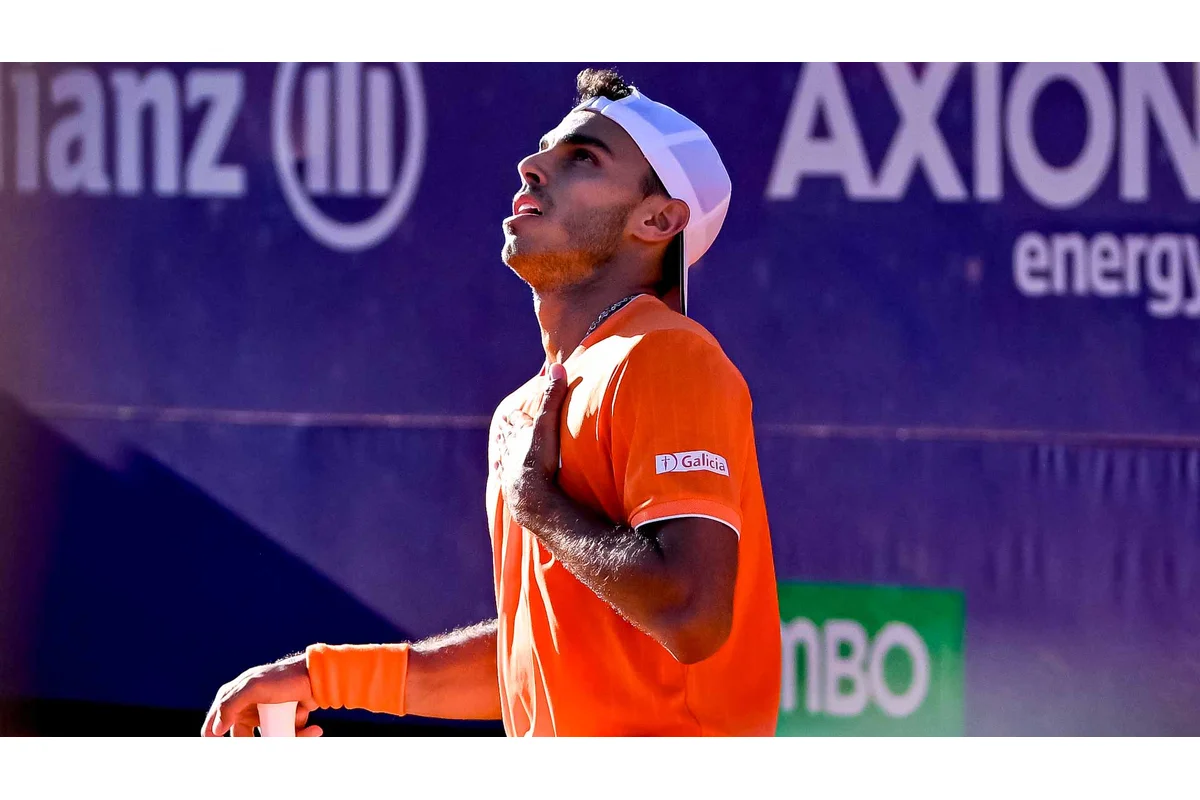
Officials made it clear that Cerundolo is not alone in navigating a demanding schedule and declined to make special exceptions. This stance was confirmed by a statement posted on social media, which directly refuted Cerundolo’s claims of having requested scheduling changes.
“The Rio Open clarifies that there was no request from the aforementioned athlete to the tournament organization. We reinforce that all decisions are made in accordance with ATP protocols and guidelines, with complete transparency. Our commitment is to always balance the needs of athletes, the public and national and international TV broadcasting, ensuring that all procedures follow clear and impartial rules.” – Rio Open Officials
The Ongoing Discussion Surrounding Tournament Scheduling
The issue at Rio is part of a larger, continuing controversy about player welfare and scheduling within the tennis world. The Rio Open takes place amid the rigorous South American Golden Swing, a series of tournaments tightly scheduled across Buenos Aires, Chile, and Brazil. For players like Cerundolo, who recently endured a demanding tournament victory, participating in how to balance rest and competition becomes a significant challenge.
Players, tournament officials, and analysts remain divided on how best to address these scheduling pressures. Some argue that athletes must better manage their personal calendars and endure the known stresses of the professional tour, while others emphasize the intense physical demands modern players face, with lengthy matches and limited recovery time between rounds.
Implications for Player Welfare and Future Tournaments
This dispute highlights the tension between maintaining tournament schedules and safeguarding player health—a debate that continues to intensify as tennis evolves. While some advocate for greater flexibility to protect athletes recovering from grueling stretches, others maintain that the structure of ATP events requires firm scheduling adherence to satisfy broad stakeholder interests.
Despite the friction, both sides appear entrenched: Rio Open officials remain confident in their procedures and the need to uphold ATP rules, even if it results in early exits by high-profile players like Cerundolo. Meanwhile, Cerundolo will likely focus on recuperating and preparing for upcoming tournaments.
The controversy serves as a reminder that scheduling complexities in professional tennis are unlikely to fade, and future tournaments may face similar challenges balancing competitive fairness and player well-being.
Rio Open says Francisco Cerundolo never made the scheduling request he claims to have made 👀
“The Rio Open clarifies that there was no request from the aforementioned athlete to the tournament organization.
We reinforce that all decisions are made in accordance with ATP… pic.twitter.com/dC2iBWn9aG— The Tennis Letter (@TheTennisLetter) February 19, 2026
