
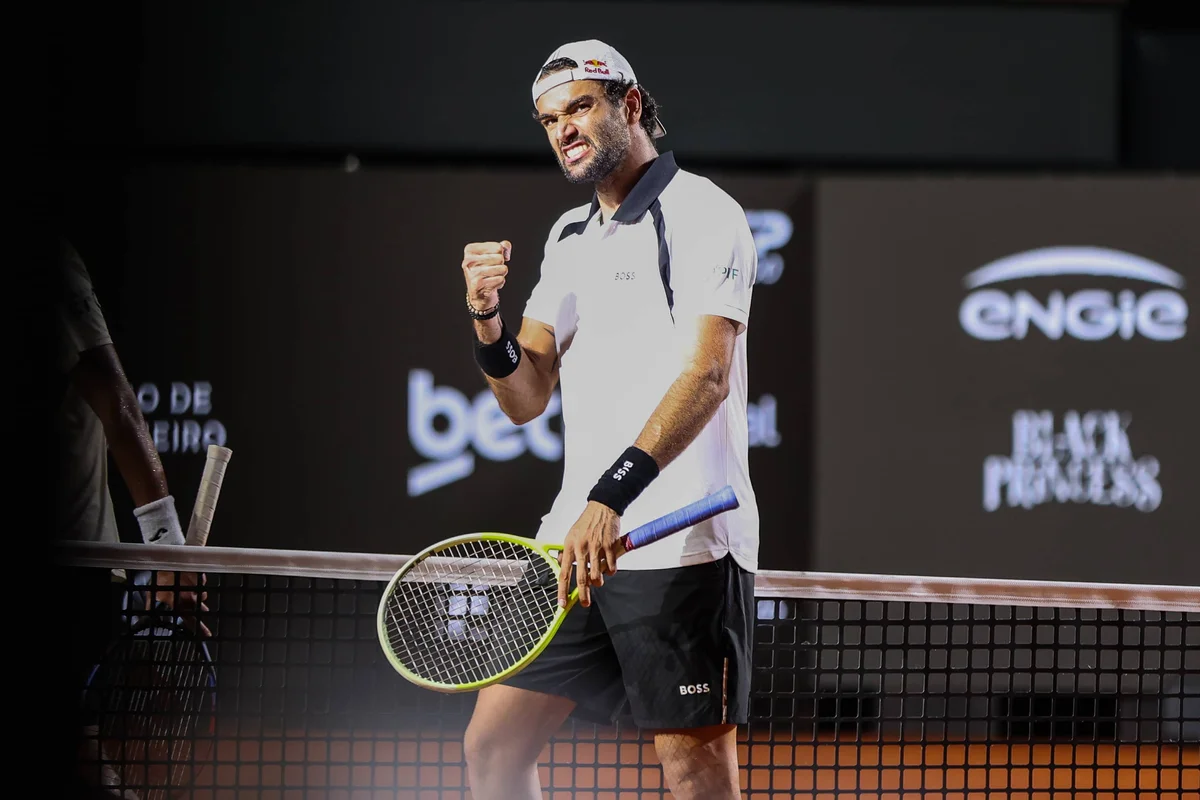
Matteo Berrettini‘s clash with Ignacio Buse at the Rio Open on February 21, 2026, became a dramatic and rain-affected encounter marked by interruptions and growing tension among spectators. The Italian player, caught in a match repeatedly paused by showers, faced vocal disapproval from the crowd as weather delays sparked frustration on and off the court during this pivotal quarterfinal in Rio de Janeiro.
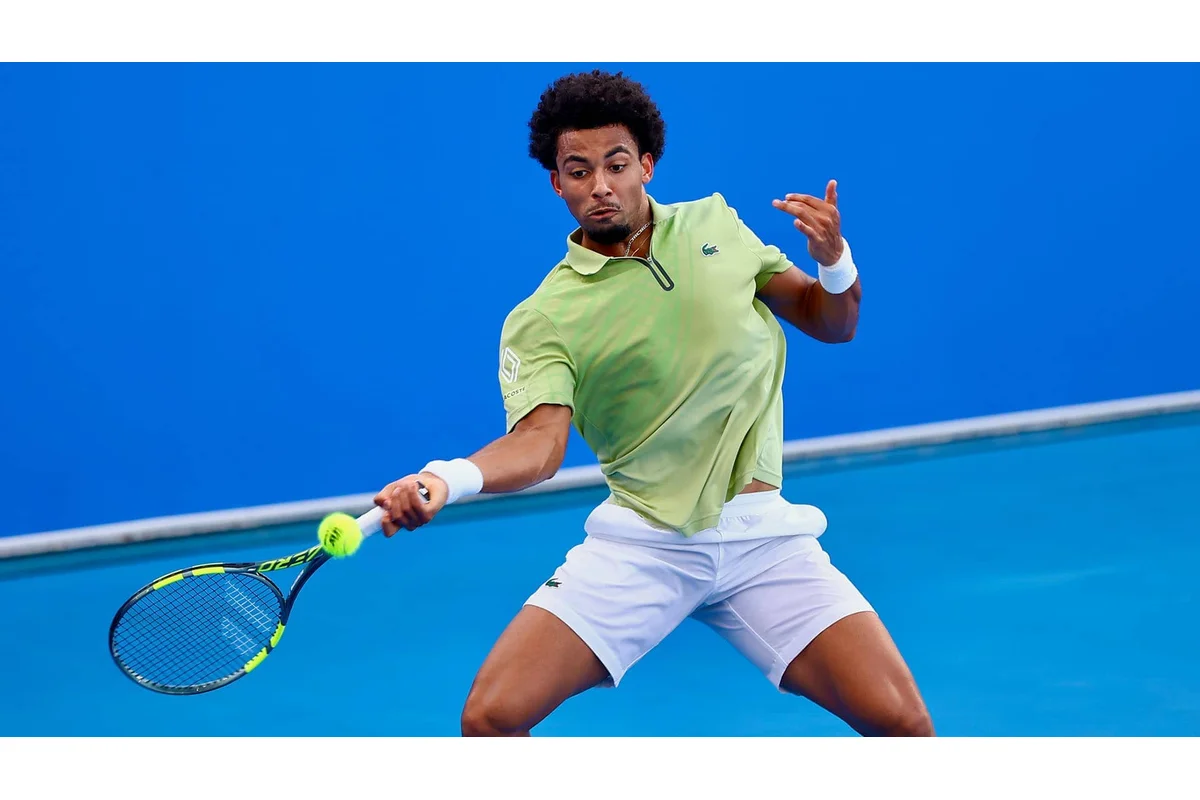
This confrontation, pivotal for the Italian’s campaign, saw 21-year-old Peruvian Ignacio Buse claim a 6-3, 2-6, 6-2 victory after a match extending nearly four hours. The disruptions caused by rain severely impacted players’ rhythm, particularly during the third set, when weather delays and disputed decisions led to a hostile response from local fans directed at Berrettini.
Detailed Account of the Rain-Interrupted Match and Crowd Tensions
The match was halted early in the decisive third set due to rain, pausing play for close to an hour. When the contest resumed, both Berrettini and Buse struggled to regain consistent momentum. As Buse led 5-2, intermittent light rain returned, reigniting controversy when Berrettini requested another stoppage. Despite his appeal, the chair umpire deemed conditions playable, prompting Berrettini to initially refuse to continue before reluctantly returning to the court.
The audience’s hostility heightened during these moments, favoring the young Peruvian. Cheers for Buse were loud and continuous, while Berrettini endured boos amid escalating tension. The crowd’s reaction spilled over into vocal chants supporting Buse as pressure mounted on the Italian player to proceed under difficult conditions.
Llueve, Buse está 5/2 en el tercer set y Berrettini no quiere jugarlo.La gente lo abuchea y canta: “Buse, Buse”#RioOpen pic.twitter.com/cfXKgHhlE5
— Todo Sobre Tenis (@Tsobretenis) February 21, 2026
The intense environment underscored the psychological strain both players experienced while contesting conditions made more challenging by rain and an increasingly volatile crowd. Ultimately, Buse’s composure and quiet resilience saw him secure the victory to advance to the semifinals, where he will face Alejandro Tabilo.
Buse Reflects on Difficult Conditions Amid Late-Match Controversy
After the match, Buse acknowledged the challenges posed by the weather interruptions and the slippery court conditions. His resilience earned praise as he described the match environment and his ability to adapt despite repeated stops and starts.
Today it was really tough because we stopped, I think, four times because of the rain,
Buse said.
The conditions are sometimes fast, sometimes slow. You never know. But it was a difficult match, but I’m happy I managed it in a good way.
Addressing the late-match dispute over playing in slippery conditions, he added,
I wanted to play, but it’s true that the lines were already slippery, and it was dangerous. Moreover, serving was uncomfortable because the rain intensified and got in my eyes when looking up. I managed it very well.
Buse’s progression at the Rio Open follows a strong performance earlier in the tournament, where he beat home favorite Joao Fonseca 5-7, 6-3, 6-4 in just over two hours, marking his second ATP quarterfinal appearance and first at an ATP 500 event.
Historical Crowd Intensity at South American Tennis Events
Fan passion has long been a defining feature of South American tennis tournaments, frequently generating intense atmospheres that can unsettle players. The charged environment seen at the Rio Open is reminiscent of other incidents where crowd reactions have influenced match dynamics.
For instance, during the Rio Open in 2024, British player Cameron Norrie encountered similar hostility. While battling Argentine Mariano Navone in the semifinals, Norrie’s attempt at an underarm serve during a crucial rally prompted boos from the crowd amid a difficult match played in hot, humid conditions.
Atmospheres in South America often convey national pride sharply, as was evident during the 2016 Rio Olympics when Argentine Juan Martin del Potro faced jeers and jeers amid a rivalry with Brazilian supporters. Del Potro was greeted with a charged reception including loud chants and flag-waving, reflecting the fervor surrounding local and regional tennis rivalries.
The crowd always makes a special atmosphere. It was beautiful apart from the incident in the beginning,
Juan Martin del Potro said, reflecting on the mixed experience at the Rio Olympics.
Upcoming Matches and Tournament Impact
The Rio Open semifinals experienced further delays due to rain on the same day, postponing key matches, including those involving Alejandro Tabilo and Vit Kopriva. Tabilo, a potential opponent for Buse, was trailing Tomas Martin Etcheverry when play was halted, adding uncertainty to the schedule.
As attention shifts to the upcoming semifinals, Buse’s performance has generated excitement around his potential to continue his impressive run and possibly secure a place in the Rio Open final. His handling of adverse conditions and pressure from an intense crowd highlight the mental toughness required at this level.
Berrettini’s experience during this rain-hit match underscores the challenges athletes face in unpredictable conditions and the influence of passionate audiences during high-stakes encounters. How the Italian recovers from this episode may influence his future in upcoming tournaments, while the Rio Open crowd’s fervor remains a notable element of the event’s identity on the tennis calendar.
Llueve, Buse está 5/2 en el tercer set y Berrettini no quiere jugarlo.
La gente lo abuchea y canta: “Buse, Buse”#RioOpen pic.twitter.com/cfXKgHhlE5
— Todo Sobre Tenis (@Tsobretenis) February 21, 2026
