
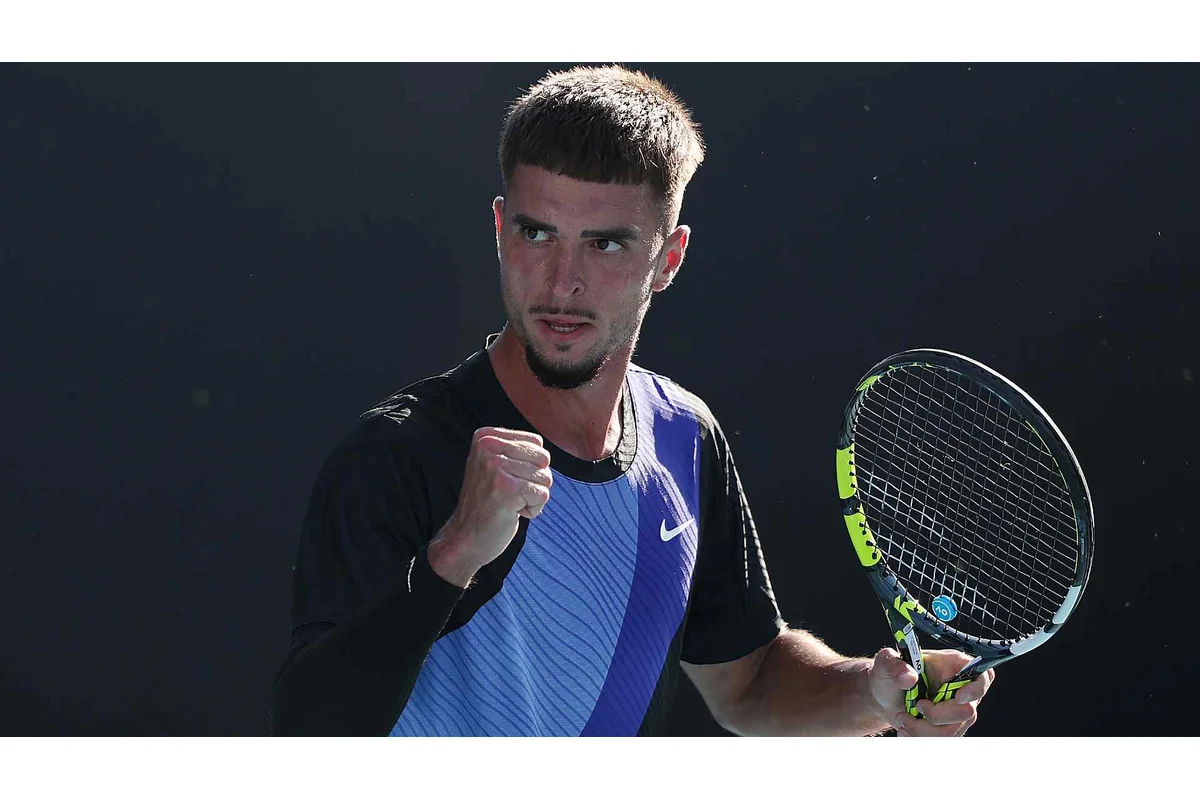
French tennis veteran Gael Monfils has declared Novak Djokovic as the greatest player among the “Big 3” in men’s tennis. Emphasizing Djokovic’s exceptional qualities, Monfils explained why he ranks the Serbian ahead of Roger Federer and Rafael Nadal, two other all-time greats. This perspective gains weight given the trio’s domination of the sport over the past two decades.
Novak Djokovic, Rafael Nadal, and Roger Federer together have amassed a staggering 66 Grand Slam singles titles during their careers. Djokovic currently leads with 72 major titles overall and holds 24 Grand Slams, surpassing both Nadal and Federer. Unlike Djokovic, Federer never secured an Olympic gold medal, and Nadal has yet to claim the ATP Finals crown, marking notable distinctions among these champions.
Djokovic Remains a Formidable Competitor Amidst Retirement of Rivals
While Federer retired in 2022 and Nadal stepped away in 2024, Djokovic is still active on the professional tennis circuit. At 38 years old, despite recent injuries, Djokovic reached the final of the 2026 Australian Open and climbed to No. 3 in the ATP men’s singles rankings. Monfils, who plans to retire at the end of the 2026 season, positioned Djokovic ahead of Federer and Nadal based on his sustained excellence and adaptability.
On the Sound Off Sports podcast with Mike Davis, aired on February 25, Monfils reflected on his own record against Djokovic, which stands at 0-20. He praised Djokovic’s ability to consistently counter every challenge he presented on court.
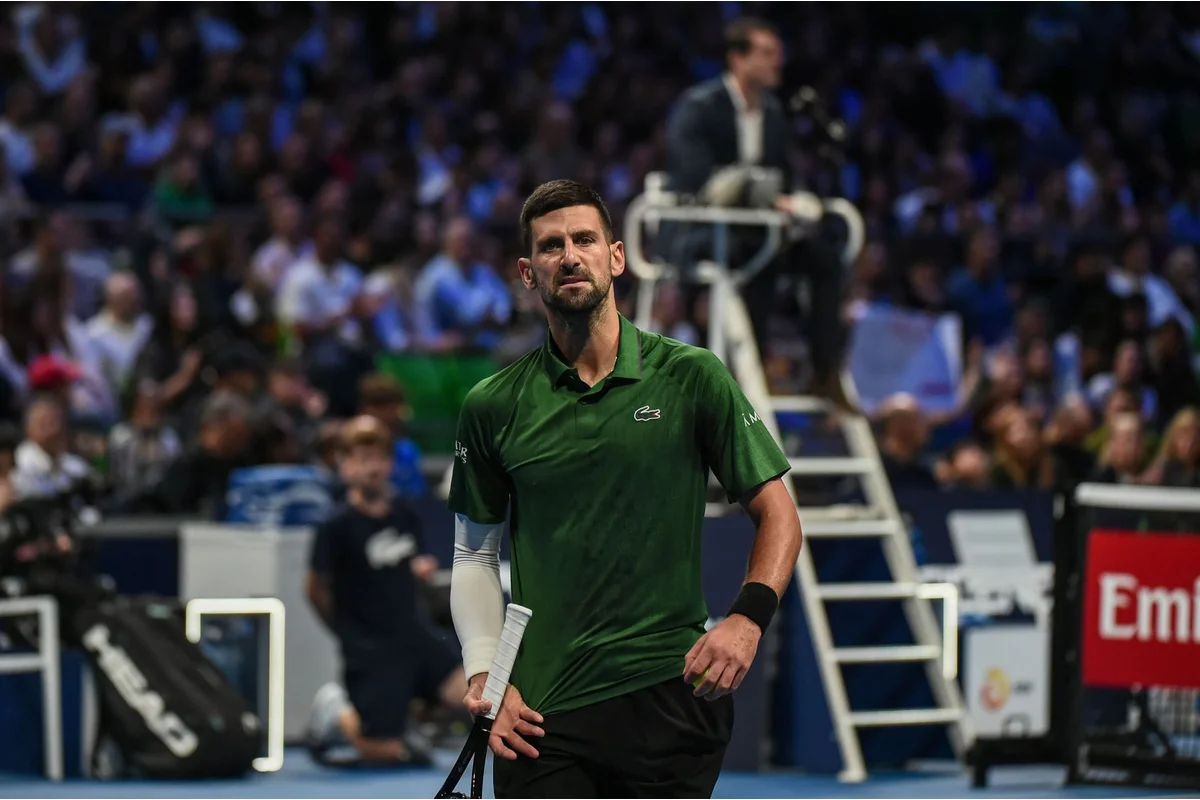
“Of course, for me, number one is Novak Djokovic,” Gael Monfils said. “I’ve never beaten him. This year might be my last chance if I have to face him. But for me, Novak has this ability to answer all my questions. Because tennis is all about questions. You ask a question, you answer it; you ask another question, you answer it. He was simply too good. And of course, he’s a legend of our sport. So there’s no shame in that.”
Monfils Reflects on Playing Against Nadal and Federer
Gael Monfils, who turned professional in 2004 just a year after Djokovic, also discussed the unique challenges of competing against Nadal and Federer. He acknowledged Nadal’s physical dominance and Federer’s swift strategic thinking, highlighting why each remains a formidable opponent despite Djokovic’s edge.
“Rafael Nadal, I could beat him, but the problem is, he beat me far more often than I beat him,” Gael Monfils added. “I think I only beat him twice. He was extremely difficult to play against because of his physique. He imposed a very tough and physical match. Roger Federer, on the other hand, was simply quicker in his thinking, quicker in his game. Anything you could possibly think of doing against him, he knew before you did, and he could then put you in a very difficult situation.”
Monfils reached a career-high ATP ranking of No. 6 in November 2016, and his insights provide a rare perspective from someone who has faced all three legends multiple times.
Monfils Joins Djokovic in Historic ATP Tour Achievement
On February 25, Gael Monfils broke a disappointing streak by recording his first win of the 2026 season at the Mexican Open in Acapulco. He defeated Damir Dzumhur in straight sets, 6-4, 7-6(5), marking his first victory since his five-set win over fellow Frenchman Ugo Humbert at Wimbledon in 2025.
This victory placed Monfils among an elite group, as he became only the fifth player in the Open Era to win an ATP tour-level match across 23 consecutive seasons. Joining him in this exclusive list are Novak Djokovic, Rafael Nadal, Roger Federer, and fellow Frenchman Richard Gasquet, underscoring the rarity of such prolonged success.
Despite this accomplishment, Monfils faced a setback in the second round of the Mexican Open, losing to Valentin Vacherot. He also experienced early exits at the Australian Open and in Auckland, where he was the defending champion.
Djokovic’s Enduring Legacy Amidst Changing Tennis Landscape
With Federer and Nadal retired, Novak Djokovic continues to represent the pinnacle of men’s tennis, maintaining his place among the top-ranked players even as he approaches 40. Monfils’ recognition of Djokovic as the greatest is informed by firsthand experience and acknowledges the Serbian’s extraordinary ability to adapt and dominate.
Djokovic’s ongoing success not only highlights his resilience but also his significant impact on tennis history, setting a standard for future generations. As Monfils approaches the end of his career, his statements underscore the lasting influence of Djokovic and the historic era defined by the Big 3.
