
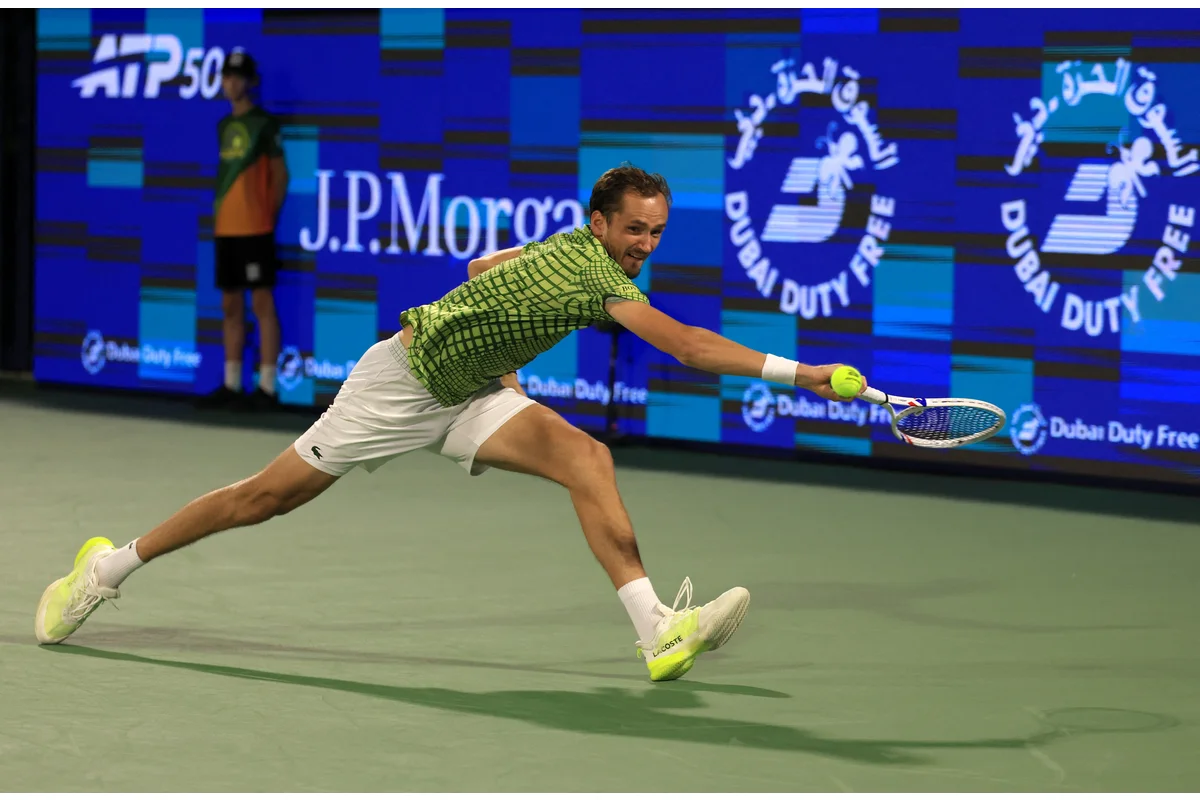
Australian tennis player Cruz Hewitt is one of approximately 50 professionals stranded in the United Arab Emirates after an ATP Challenger tournament in Fujairah was abruptly canceled due to escalating military conflict in the region. The event was halted when air-raid sirens and explosions forced players, officials, and ball persons to flee the courts on March 3, 2026, highlighting the tense security situation affecting the tournament.
Interruption During Match Sparks Panic
During a second-round match featuring top seed Hayato Matsuoka and Daniil Ostapenkov, live broadcast footage captured the sudden disruption caused by nearby air-raid sirens and detonations. The match was immediately abandoned as players and staff evacuated in haste following the successful interception of a drone over the area by local air defense systems.
The intercepted drone’s falling debris ignited a fire at the Fujairah Oil Industry Zone, situated roughly 10 kilometers from the Fujairah Tennis and Country Club where the tournament was held. Organizers moved those present to designated safe zones amid ongoing sirens, prioritizing safety in the volatile environment.
Cruz Hewitt and Fellow Competitors Caught in Crisis
Cruz Hewitt, the teenage son of celebrated Australian tennis star Lleyton Hewitt, is reported by the UK Telegraph to be among those trapped due to the sudden cancellation. Other Australian players, including James McCabe and Jason Kubler, are also reportedly stuck in the UAE amid the unfolding situation.
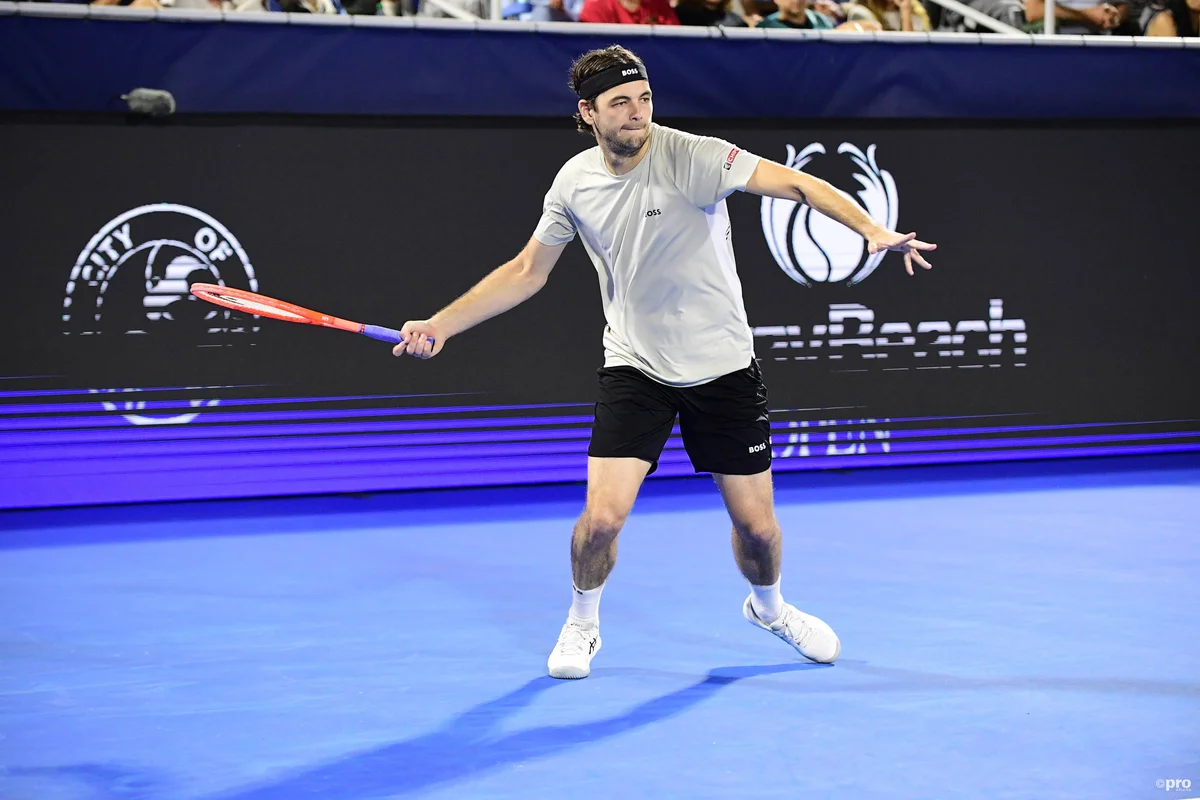
Relevant authorities responded to a fire that broke out in the Fujairah Oil Industry Zone, resulting from falling debris following the successful interception of a drone by air defence systems,
stated the Government of Fujairah media office to the BBC.
Ukrainian player Vladyslav Orlov described hearing jets overhead and observing heavy smoke while competing, remarking,
It’s not very safe here right now,
underscoring the tense circumstances players faced during the tournament.
Official Responses and Tournament Cancellation
The ATP officially called off the Fujairah Challenger event as well as a subsequent Challenger tournament that was scheduled for the following week. Prior to cancellation, ATP officials had initially confirmed the tournament would proceed after security assurances from local authorities and implemented additional safety measures including holding matches behind closed doors.
The ATP emphasized its commitment to safety, declaring,
health, safety and wellbeing of our players, staff and tournament personnel is our priority
. Despite these assurances, concerns about evacuation logistics surfaced quickly among players and staff.
Concerns Over Evacuation Costs Spark Player Frustration
Several players have voiced dissatisfaction with the expense charged by tennis authorities for a charter flight to evacuate players from the region. The flight, departing from Muscat, Oman, with a stopover in Egypt before reaching Italy, reportedly costs over $8,000 per seat, a figure that has been questioned by those affected.
Dear players, the two Challenger circuit tournaments here (Fujaïrah 1 and Fujaïrah 2) are now officially canceled. The ATP plans to organise a charter flight on Thursday, March 5 from Muscat,
an internal email leaked to the press stated.
Departure at 3pm, destination Milan, with a stop in Egypt. The cost is 5000 euros per person. If you are interested, please send me a WhatsApp message as soon as possible.
Thank you all for your patience and understanding. Safe travels!
Ongoing Stranding in Dubai and Regional Impact
As the crisis unfolds, approximately 40 players, team members, officials, and media personnel remain stranded in Dubai, unable to leave due to the ongoing instability. The abrupt disruption to the tennis calendar in the UAE is likely to have ramifications for players’ preparations and tournament scheduling across the ATP Challenger circuit moving forward.
This incident, involving Cruz Hewitt and other tennis professionals, underscores how geopolitical conflicts can disrupt international sports events and threaten participant safety, challenging tournament organizers to balance competitive continuity with urgent security concerns.
