
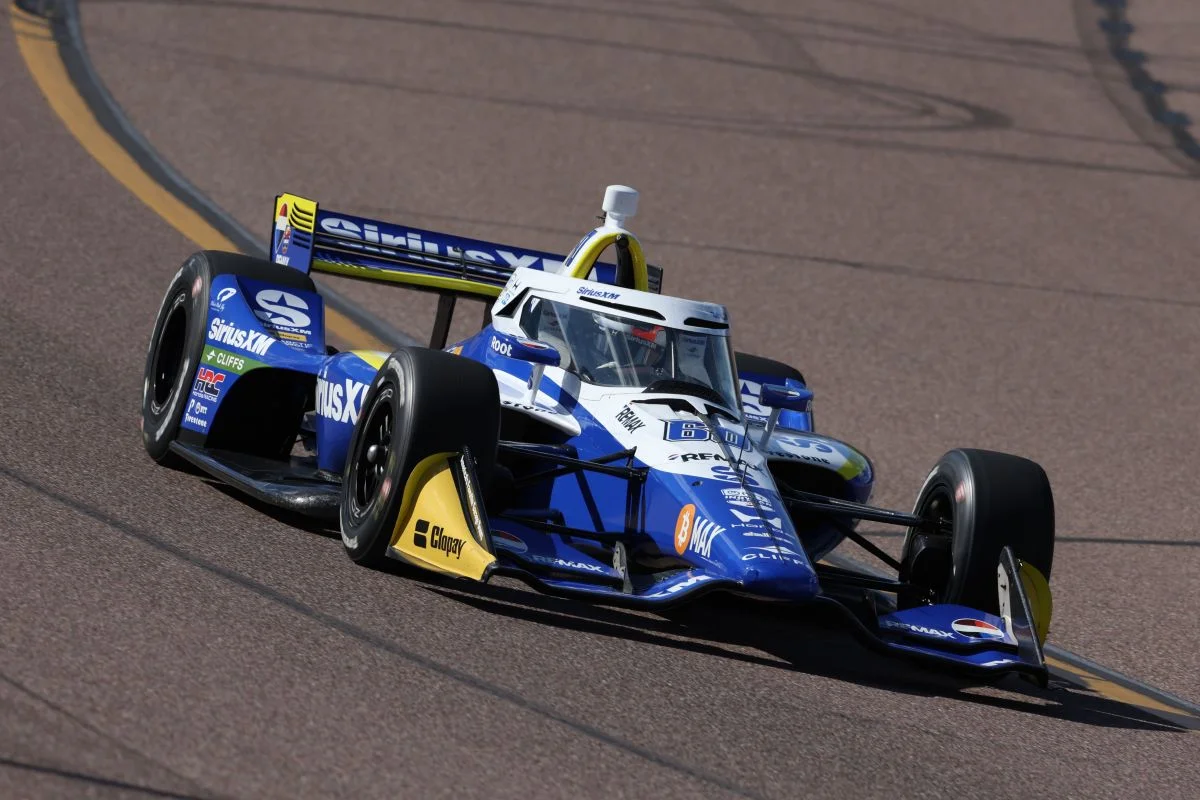
Meyer Shank Racing (MSR) is preparing for a significant transformation in the 2028 IndyCar season by expanding its team to three cars, marking a major step forward in its partnership with Honda Racing Corporation. This development places MSR as Honda’s primary factory entry in the series, signaling a new phase of ambition and competition.
Honda Selects MSR to Lead Factory Effort in IndyCar
Honda Racing Corporation’s decision to appoint Meyer Shank Racing as its official factory team in IndyCar marks a pivotal moment for both entities. Combining Honda’s advanced engineering expertise with MSR’s competitive experience, the collaboration aims to strengthen their presence on the track and challenge established teams. This partnership is expected to bring the latest technology and innovation to the forefront of IndyCar racing.
Impact of Expansion on the IndyCar Competition
The expansion means more than just adding vehicles; it hints at a strategic effort to shift the competitive balance in IndyCar. With MSR’s solid history and Honda’s drive for excellence, rival teams and fans should anticipate intensified rivalries and heightened track battles. The move reflects a long-term vision to build a formidable legacy within the sport.
Focus on Building a Strong Team of Drivers and Engineers
Beyond adding cars, MSR is concentrating on assembling a top-tier roster, including skilled drivers and engineers, to maximize performance. The racing community is eagerly awaiting announcements regarding who will join the team, generating wide speculation about whether MSR will recruit leading talent from other teams or elevate drivers already within their ranks.
Setting the Stage for a New Era in IndyCar Racing
As excitement grows around Meyer Shank Racing’s 2028 plans, their expansion signals a potential reshaping of IndyCar’s competitive dynamics. Supported by Honda’s technical strength, MSR looks set to push boundaries and innovate the sport’s future. Fans and analysts alike are prepared for what promises to be an electrifying season that could alter racing narratives for years ahead.
