
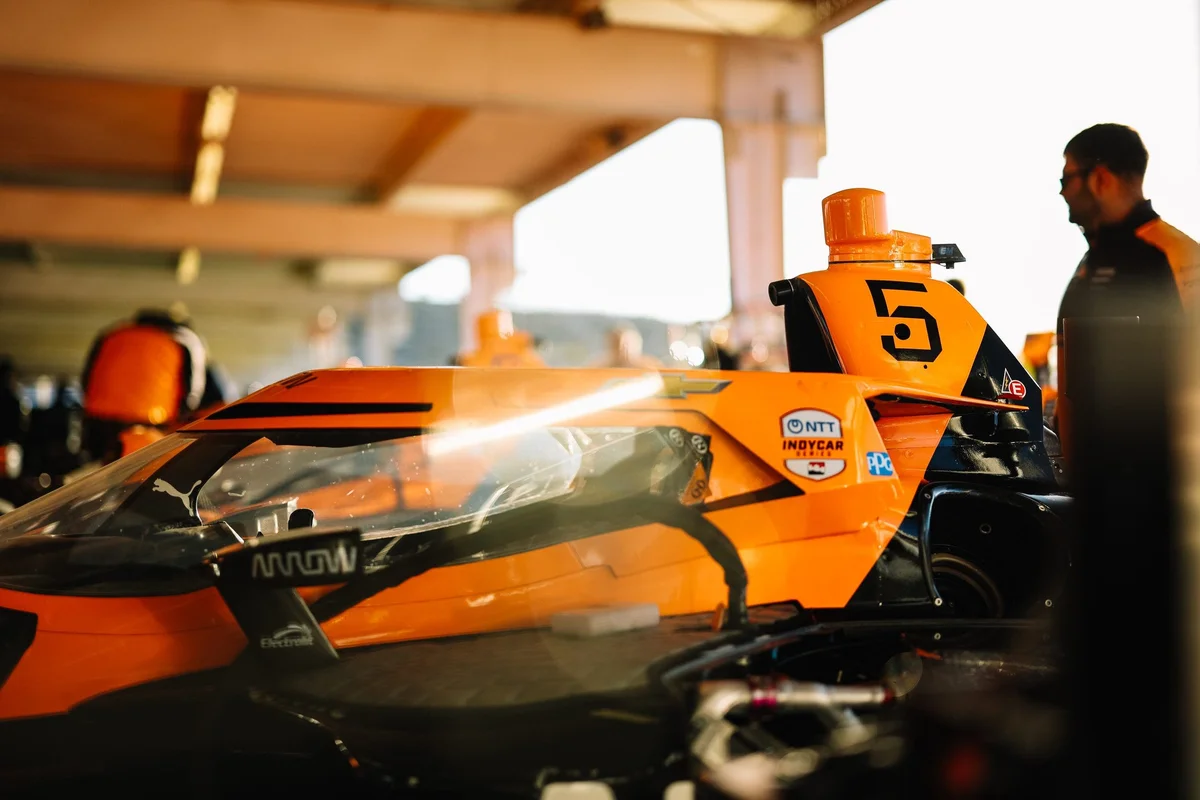
Arrow McLaren‘s Pato O’Ward has criticized the treatment of IndyCar during NASCAR doubleheader weekends, highlighting a growing frustration with how IndyCar is positioned as the “support race.” This issue came to the forefront during recent events at St. Petersburg, Florida, and upcoming races at Phoenix Raceway, where IndyCar’s place on the schedule raised questions about respect and recognition within motorsports.
While cross-series race weekends between the NTT IndyCar Series and NASCAR have existed sporadically over the years, the 2026 IndyCar season started recently with a doubleheader in St. Petersburg and is following up with another event at Phoenix, a track IndyCar has not visited since 2018. These collaborations aim to boost fan engagement but have also exposed tensions about how IndyCar is valued relative to the NASCAR events held at the same venues.
Scheduling Realities Highlight IndyCar’s Secondary Role at Phoenix
At Phoenix Raceway, the disparity in race scheduling was evident: IndyCar was allotted the Saturday afternoon slot, while NASCAR’s O’Reilly Auto Parts Series took the prime Saturday night race, and the marquee NASCAR Cup Series event commanded the Sunday afternoon headline position. This order effectively placed IndyCar behind both the top NASCAR division and its secondary series.
O’Ward expressed frustration with this hierarchy, stating,
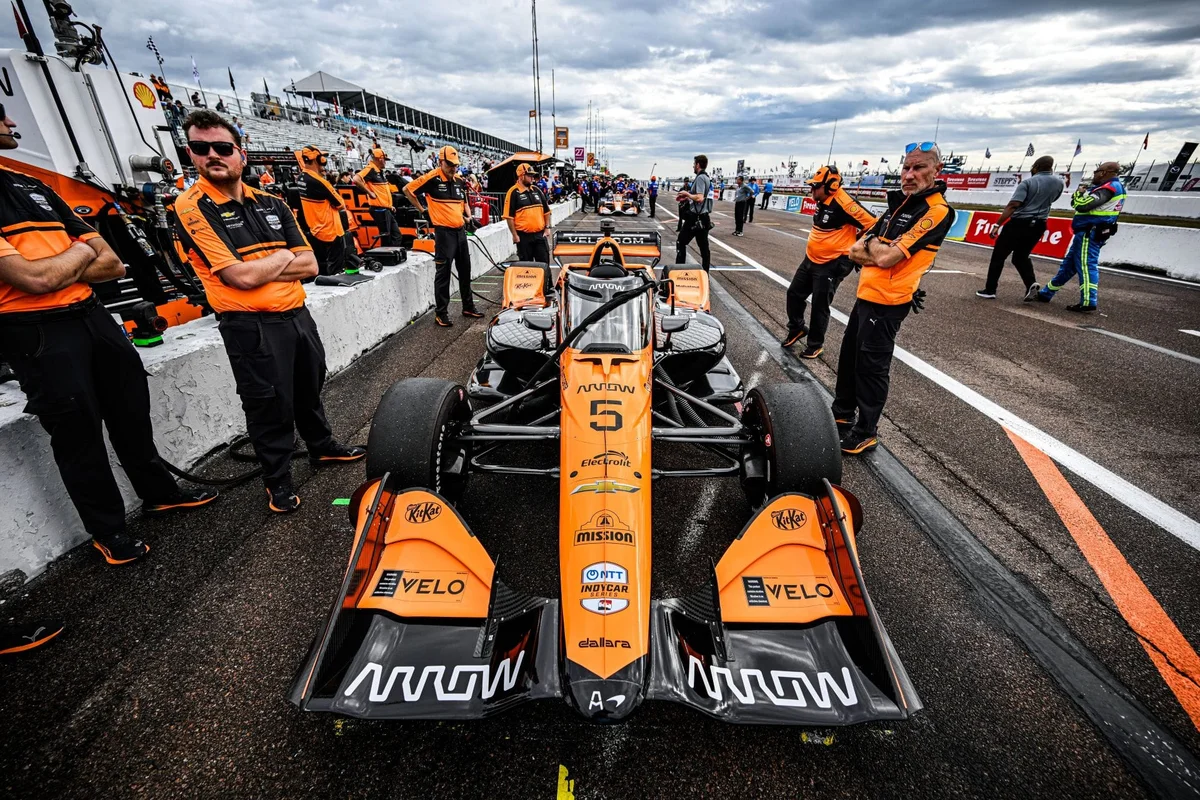
“I’m already tired of IndyCar being like the support race,”
and added,
“I know that every time we race with them, we are always the side show. It’s great for the fans, but not for us.”
His comments underscore a tension between the sport’s potential and its present treatment when paired with NASCAR events.
Historical Context and Viewership Contrasts Between IndyCar and NASCAR
Though NASCAR remains more widely popular overall, IndyCar boasts significant achievements, including the Indy 500, recognized as the world’s most attended single-day sporting event and America’s highest-rated race surpassing the Daytona 500. Despite NASCAR’s broader fan base, IndyCar’s average viewership remains competitive, particularly with recent years showing a 27% increase, the largest annual rise among major sports surpassing one million viewers on average.
This growth occurred even amid criticism aimed at IndyCar driver Alex Palou’s strong showing in the series, disproving detractors who claimed the sport was declining. The sport also enjoys beneficial television exposure, with all 18 IndyCar races broadcast on Fox’s main network rather than its secondary channels, aiding visibility and accessibility.
Implications for IndyCar’s Position in Motorsports and Future Outlook
The ongoing debate about IndyCar’s perceived place beneath NASCAR at crossover events touches on the broader issue of how American open-wheel racing is promoted and respected alongside the stock-car giant. The scheduling at Phoenix suggests IndyCar still struggles to gain equal footing, despite its rich heritage and strong fan base.
The series’ ability to attract attention and grow viewership signifies its unrealized potential, yet the decision to place it after NASCAR’s second-tier series hints at an imbalance needing correction. Fans and participants alike watch for how organizers will handle this going forward, especially with new venues like the Arlington, Texas street circuit slated to host crossover weekends starting with the season’s third race.
Fox will air live coverage of the Good Ranchers 250 at Phoenix Raceway on Saturday, March 7, at 3:00 p.m. ET, providing an opportunity for viewers to experience the dynamic racing among these intertwined series firsthand.
