
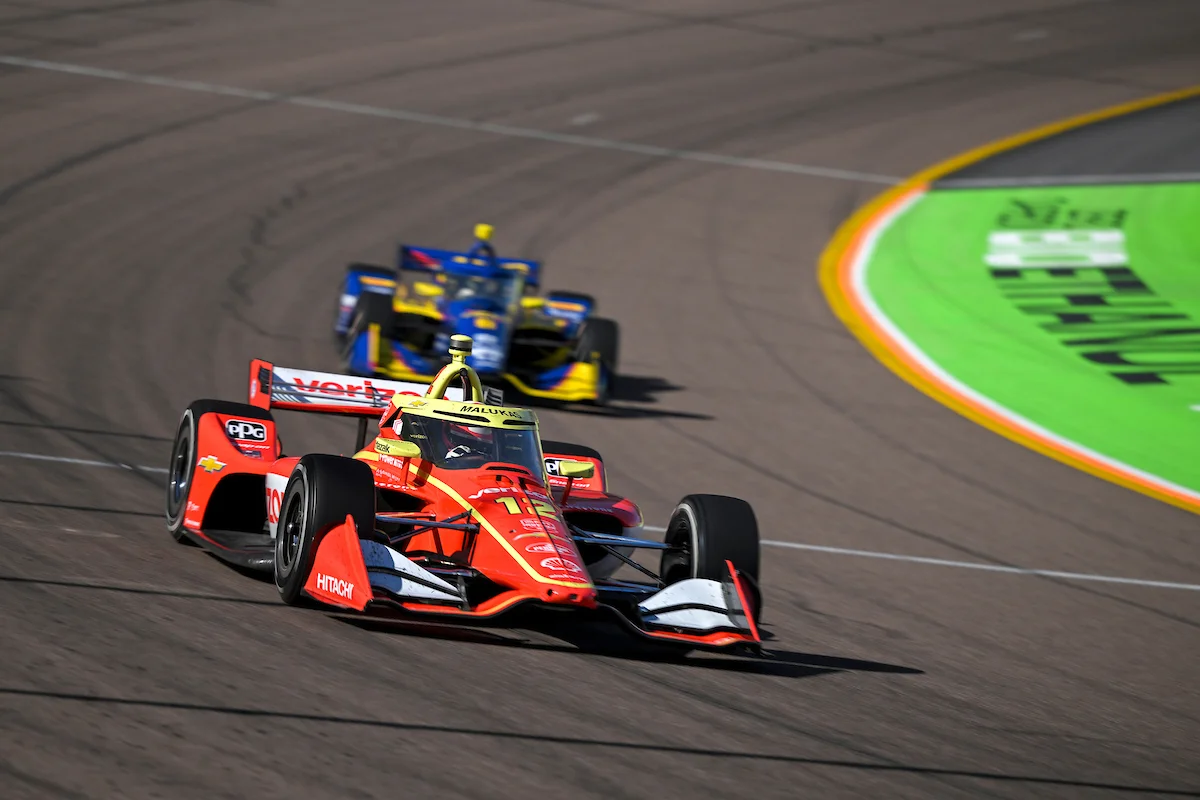
Ryan Blaney started the race from fifth position but managed to navigate through the field to claim his second consecutive victory at Phoenix Raceway. This win was particularly significant as the entire Team Penske was present for the weekend’s first-ever NASCAR and IndyCar doubleheader held on an oval track, showcasing the team’s dominance across both series.
Despite his strong teammate Joey Logano securing the pole position, Blaney emerged as the driver to watch after Logano faced repeated issues with a loose wheel on the No. 12 car. Blaney maneuvered past 49 competitors and engaged in multiple intense restart battles near the race’s end, ultimately overtaking key rivals to take the lead.
Incidents Impact Team Dynamics and Race Outcome
Joey Logano’s race took a downward turn following a collision where he inadvertently spun Ross Chastain into Anthony Alfredo and Austin Cindric, which ended the latter two’s competition for the day. Shortly thereafter, Logano was involved in another crash after cutting across in front of AJ Allmendinger, triggering a multi-car accident that included Josh Berry and Daniel Suarez.
Christopher Bell appeared to be in control for much of the race, with fewer setbacks than Blaney. Bell seemed poised to capture his third consecutive Phoenix spring victory as he extended his lead while Blaney fell back, caught in battles with Kyle Larson and Tyler Reddick, who was aiming for a fourth straight win.
Strategic Pit Calls and Late-Race Battles Shape Final Results
Blaney’s path to victory was delayed by traffic after two crucial restarts, where he started from the front row but got stuck behind Larson while Bell and Ty Gibbs pulled further ahead. Bell led by three seconds before Blaney climbed back to third place.
During the final pit stop before the penultimate restart, Blaney and Gibbs both opted for a two-tire change, maintaining front-row positions, a strategy reminiscent of the one Larson used to win last fall’s championship. Bell took a risk opting for four tires in hopes of overtaking from behind. While Bell moved up to second, he couldn’t pass Blaney, who quickly overtook Gibbs to seize the lead with just ten laps remaining.
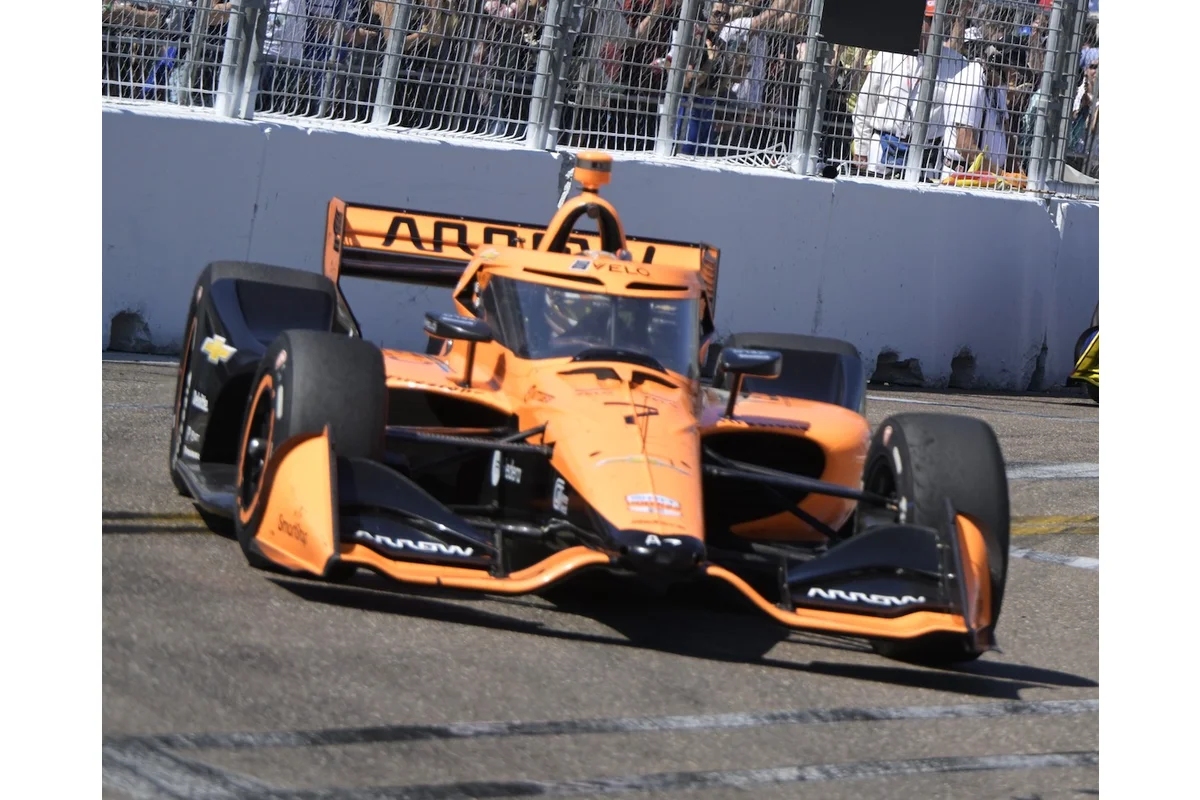
Blaney’s win contrasts last fall’s event, when his victory went somewhat unnoticed amid headlines focusing on Denny Hamlin’s near-championship and Larson’s winning tire strategy. This weekend, Blaney shared the spotlight with his teammate Josef Newgarden, who claimed victory in the IndyCar race on Saturday, marking a historic sweep for Team Penske as they celebrated their 60th year in motorsports alongside founder Roger Penske.
Race Standings and Driver Performances Highlight Key Moments
Christopher Bell finished second, followed closely by Kyle Larson in third. Larson acknowledged that without strategic tire choices and pit gambles, his team would struggle to win outright at Phoenix. Ty Gibbs and Denny Hamlin, both driving JGR Toyotas, completed the top five, with Bubba Wallace, William Byron, and Tyler Reddick trailing behind.
Although Reddick’s winning streak ended, he remained the only driver to finish in the top ten in every race so far, securing eighth place. Michael McDowell and Erik Jones rounded out the top ten spots. Shane van Gisbergen rebounded from two crashes to finish just outside the top ten in 11th place.
Implications for the Championship and Team Penske’s Legacy
With this victory, Ryan Blaney moved up to second in the championship standings, narrowing Tyler Reddick’s lead to 60 points. Bell’s runner-up finish propelled him 18 spots to sixth overall, adding further intrigue to the championship battle. The weekend showcased Team Penske’s strength across both NASCAR and IndyCar, reinforcing their influence and success in motorsports as they marked an important milestone of 60 years.
The doubleheader weekend also emphasized the importance of strategy, pit decisions, and resilience in high-pressure situations. As the season progresses, the momentum gained by Blaney and Penske is likely to impact upcoming races, keeping fans and competitors on edge.
