
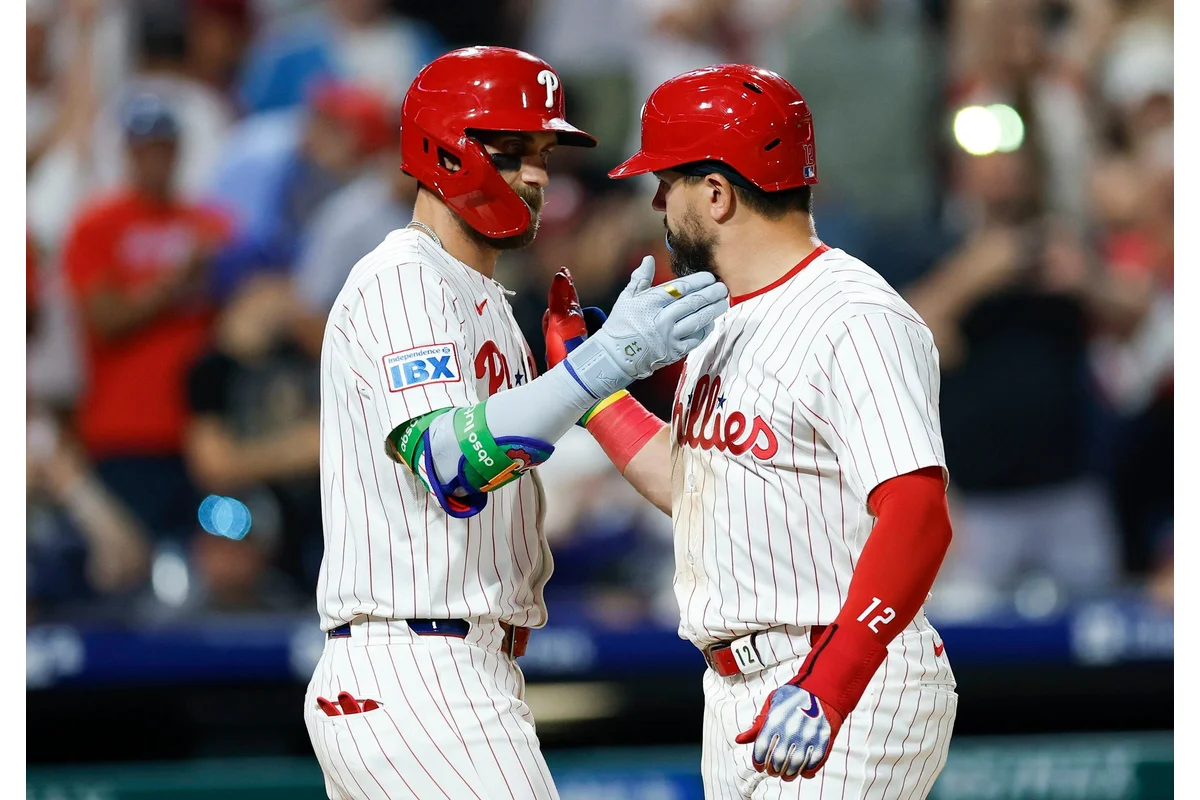
The Philadelphia Phillies are contemplating an unexpected adjustment to their lineup as they approach the 2026 season, specifically regarding Bryce Harper’s batting position. Manager Rob Thomson revealed this week that he is seriously considering switching Harper’s usual spot as the No. 3 hitter, potentially swapping him with Kyle Schwarber in the batting order.
At a recent media session, Thomson indicated that several options are on the table, including moving Harper away from the three-hole he has predominantly held.
“I’ve got to talk to the players about it, but you could see a change this year, flipping those guys around a little bit,”
Thomson said when discussing the possibility of lineup changes. When pressed about whether Harper might no longer hit third, he answered plainly, “yes.”
This proposed reshuffle is more than a simple lineup tweak; it reflects ongoing debates within the Phillies organization regarding Harper’s role and performance moving forward.
Background on Phillies’ Internal Discussions and Harper’s 2025 Season
The notion of altering Harper’s role traces back to October, when Phillies president of baseball operations Dave Dombrowski commented on Harper’s performance during the postseason press conference. While acknowledging Harper as a “quality player,” Dombrowski noted that the slugger
“didn’t have an elite season like he has had in the past.”
This remark, though factually linked to Harper’s 2025 stats, drew considerable attention and stirred tension within the team and fanbase.
Harper later expressed to The Athletic that he felt hurt by the public narrative generated by those comments, which included speculation about his future with the Phillies. Despite Dombrowski’s statement in November that he and Harper had a “good conversation” and maintained a positive relationship, Harper’s subsequent behavior indicated that underlying issues remained unresolved.
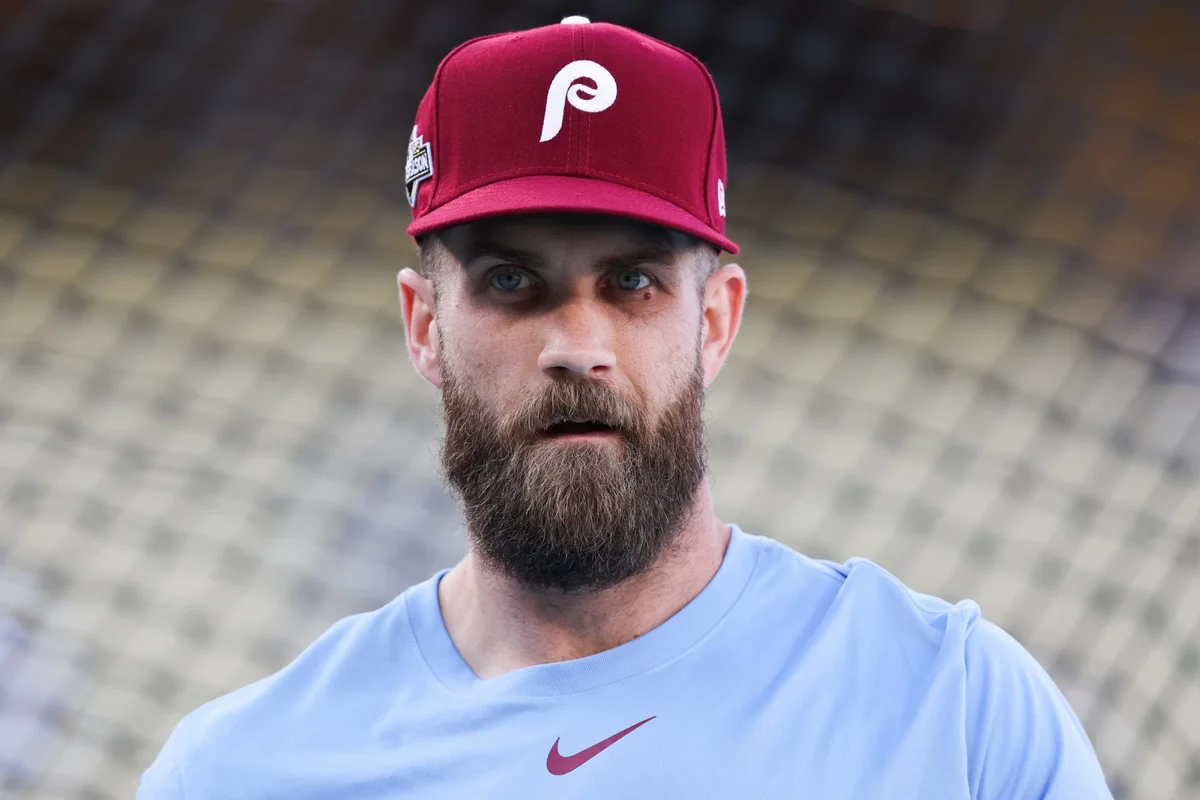
In December, Harper subtly responded by posting a TikTok video in which he practiced batting while wearing a sweatshirt emblazoned with the phrase “NOT ELITE,” a direct reference to Dombrowski’s critique. The video’s authenticity and timing were confirmed by several media outlets, signaling that the situation was still a topic of concern within the clubhouse.
Analysis of Bryce Harper’s Declining 2025 Performance
From a purely statistical perspective, Harper’s 2025 season marked a noticeable decline from his career standards. Over 132 games, he recorded a .261 batting average, a .357 on-base percentage, and a .487 slugging percentage, resulting in an .844 OPS—the lowest he has posted since 2016 and approximately 50 points below his pre-2025 career OPS of .911. His OPS+ of 129 was similarly his weakest since 2019.
While Harper still delivered 27 home runs and 75 RBIs, with walk rates that kept him well above league average, his output fell short of the MVP-caliber levels expected from him. Notably, Harper struggled with a persistent wrist injury that led to an early June stint on the injured list, exacerbating his challenges. According to reports by MLB.com and The Athletic, he continued to play through discomfort, facing an increased percentage of breaking balls—roughly 41%—as opposing pitchers targeted his weakened wrist aggressively.
These factors contributed to Dombrowski’s assertion that Harper’s 2025 season was not “elite,” even if the way it was communicated created friction.
Implications for Harper’s Role and Team Strategy in 2026
At 33 years old and recovering from a down year compounded by physical issues, Harper enters 2026 motivated by his recent World Baseball Classic participation and cognizant of his public perception. The possibility of a lineup change does not necessarily indicate a trade or diminished status but likely reflects Manager Thomson’s intent to maintain flexibility in optimizing the batting order based on player performance rather than sentiment.
Moving Harper from the three-spot in the lineup could allow the Phillies to adjust to current conditions and tactical considerations, balancing internal dynamics with the goal of maximizing offensive output. As the team prepares for the upcoming season, this openness to change underscores a pragmatic approach to managing a star player whose recent performance has invited scrutiny but whose talent remains valuable.
