
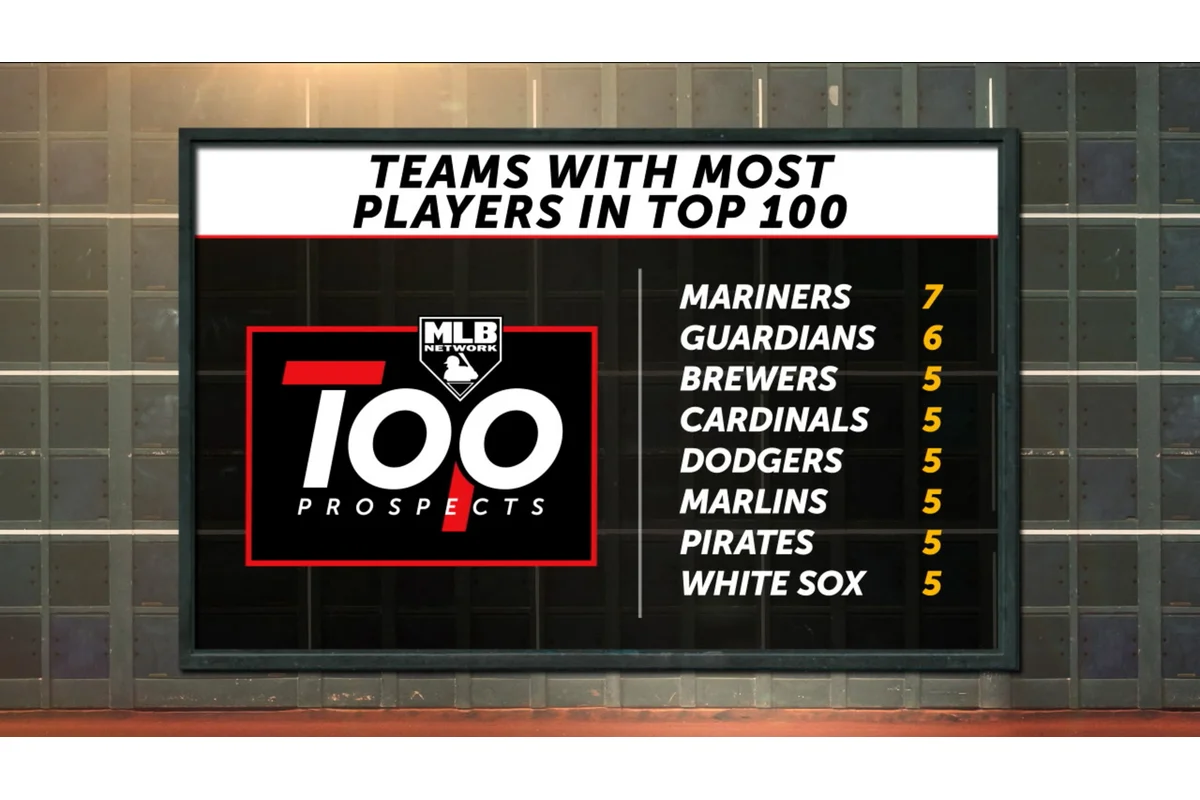
Every year, some players outside the top 10 in their farm systems make significant strides, elevating their prospect status. For 2026, the White Sox have several promising talents poised to advance notably within the organization. This article highlights those prospects who entered the season unranked among the team’s preseason Top 10 but have the potential to break out based on scouting insights from Baseball America’s 2026 Prospect handbook.
Our focus keyword, White Sox 2026 Prospects, guides this evaluation of emerging players who could impact Chicago’s future. These prospects’ progress will be closely watched as they strive to contribute at higher levels within the system.
Prospects on the Rise Behind the Top 30 List
While the White Sox’s Top 30 prospects are well-covered, several players outside this group demonstrate the skills and opportunity needed to make a significant leap in 2026. Understanding these players’ backgrounds, strengths, and challenges helps to appreciate their breakout potential.
Aldrin Batista: Right-Handed Pitcher with High Upside
Aldrin Batista, acquired from the Dodgers in August 2023, impressed after a strong 2024 that split time between Low-A Kannapolis and High-A Winston-Salem. Despite a stress fracture in his right elbow limiting him in 2025, Batista avoided ligament damage and returned to pitch late in the season. His profile suggests a future as a key pitcher in the White Sox system once fully healthy.

Batista’s pitching arsenal is anchored by a two-seam fastball throwing consistently 92-95 mph, enhanced by plus sink and a low release point that generates 16 inches of horizontal break, particularly challenging right-handed batters. He occasionally throws a four-seam fastball at similar velocities, though it is less effective due to his delivery angle. His changeup, ranging 84-87 mph, is considered even more effective than his sinker because it tunnels well with that pitch. Batista also employs a developing sweeper in the low 80s mph range, which has the potential to reach average effectiveness over time.
Beyond his pitches, Batista is an athletic player who uses a unique low, rock-step delivery that borders on sidearm, leveraging good body control. His physical frame is slender but has room to strengthen, a key for his projection. 2026 could mark Batista’s breakthrough year, with the possibility of evolving into a back-end rotation starter or a reliable mid- to high-leverage reliever relying on his sinker and changeup mix.
Scouting grades emphasize Batista’s strengths: Fastball 50, Changeup 60, Sweeper 45, Control 50.
Blake Larson: Lanky Lefty Awaiting Recovery
Drafted with a supplemental second-round pick acquired through the Mariners trade involving Gregory Santos, Blake Larson was signed out of IMG Academy for nearly $1.4 million. His debut was delayed by season-ending Tommy John surgery sustained in February 2025 after a promising instructional league stint. Prior to injury, Larson’s profile matched the White Sox’s preference for lanky southpaw pitchers with a lower arm slot.
Before the surgery, Larson’s primary weapon was a two-seam fastball sitting 93-94 mph and peaking at 95 mph, likely to improve with added strength during rehab. His secondary pitch, a low-80s sweepy slider, produced high swing-and-miss rates owing to its spin rate, serving as an effective chase pitch for left-handed batters and a breaking ball for righties. Larson’s changeup was rarely used in high school but is expected to be a developmental focus moving forward. His control and command were considered below average and will require attention as he progresses.
Despite the setback, Larson aims to return to pitching after spring training 2026, with a potential late-season debut in Low-A Kannapolis if his recovery proceeds well.
Scouting grades for Larson include Fastball 60, Changeup 45, Sweeper 55, Control 40.
Matthew Boughton: Athletic Infielder with Versatile Potential
Matthew Boughton enters 2026 as one of the older draftees, having turned 20 shortly after being selected in the 11th round out of Texas. Originally lightly regarded in the draft, the White Sox identified Boughton as a sleeper, signing him with an over-slot bonus of $197,500 to prevent a Texas A&M commitment. His father, Michael, a former minor league shortstop and coach within the Dodgers system, has been influential in his development, both on and off the field.
Boughton, a multi-sport athlete, exhibits above-average athleticism and speed, with significant promise as a runner. At the plate, he projects as an average hitter with fringe-average power, aided by fast hands and a quick bat path, though he still needs to add strength and refine his swing mechanics. Defensively, Boughton shows versatility, capable of playing both middle infield positions with above-average arm strength. Additionally, his instincts and athleticism could allow him to handle center field duties, potentially expanding his role as a super utility player.
Entering full-season play in 2026 at age 21, Boughton could advance quickly if he handles the adjustment, with his ceiling appearing as a utility contributor at the major league level.
Scouting grades assign Boughton Hit 50, Power 45, Run 60, Field 55, and Arm 55.
Implications for the White Sox Organization
The emergence of these prospects behind the White Sox’s regularly highlighted stars is critical for the team’s depth and future competitiveness. Players like Aldrin Batista and Blake Larson, if healthy and progressing, could bolster the pitching staff, either as starters or bullpen assets. Meanwhile, Matthew Boughton’s versatility and athleticism provide Chicago with a flexible option capable of contributing across multiple roles.
Each player discussed carries risks—Batista recovering fully from injury, Larson returning from significant surgery, and Boughton developing the necessary strength and bat refinement—but their potential breakout could substantially influence the White Sox’s minor league system and, eventually, the major league roster.
As the 2026 season unfolds, monitoring these candidates’ development will offer insights into Chicago’s ability to cultivate talent beyond its top-ranked prospects, further strengthening its pipeline and long-term outlook.
