

Just before the Milwaukee Brewers and Los Angeles Dodgers faced off in the 2025 National League Championship Series, ESPN MLB insider Jeff Passan ignited a debate questioning whether baseball is broken and in need of fixing. The discussion centered on the Brewers, a small-market team, competing against the Dodgers, known for their massive payroll, suggesting that financial inequality might not be the fundamental issue in MLB. The ongoing dispute over competitive balance and financial disparity has intensified as the Dodgers ultimately defeated the Brewers and advanced to the World Series, a series outcome that fueled further controversy.
Los Angeles Dodgers’ manager Dave Roberts, following his team’s victory, declared his intent to
“get four more wins and really ruin baseball,”
stirring heated reactions among fans and media alike. These comments have brought renewed attention to the growing tension surrounding the future of baseball, particularly with the MLB’s Collective Bargaining Agreement (CBA) set to expire on December 1, 2026. The looming expiration raises concerns about a potential work stoppage and the possibility that parts of the 2027 season could be lost if a new agreement is not reached. Central to these negotiations is the debate over implementing a salary cap, which many owners and the commissioner support as a solution to level the playing field for smaller-market teams.
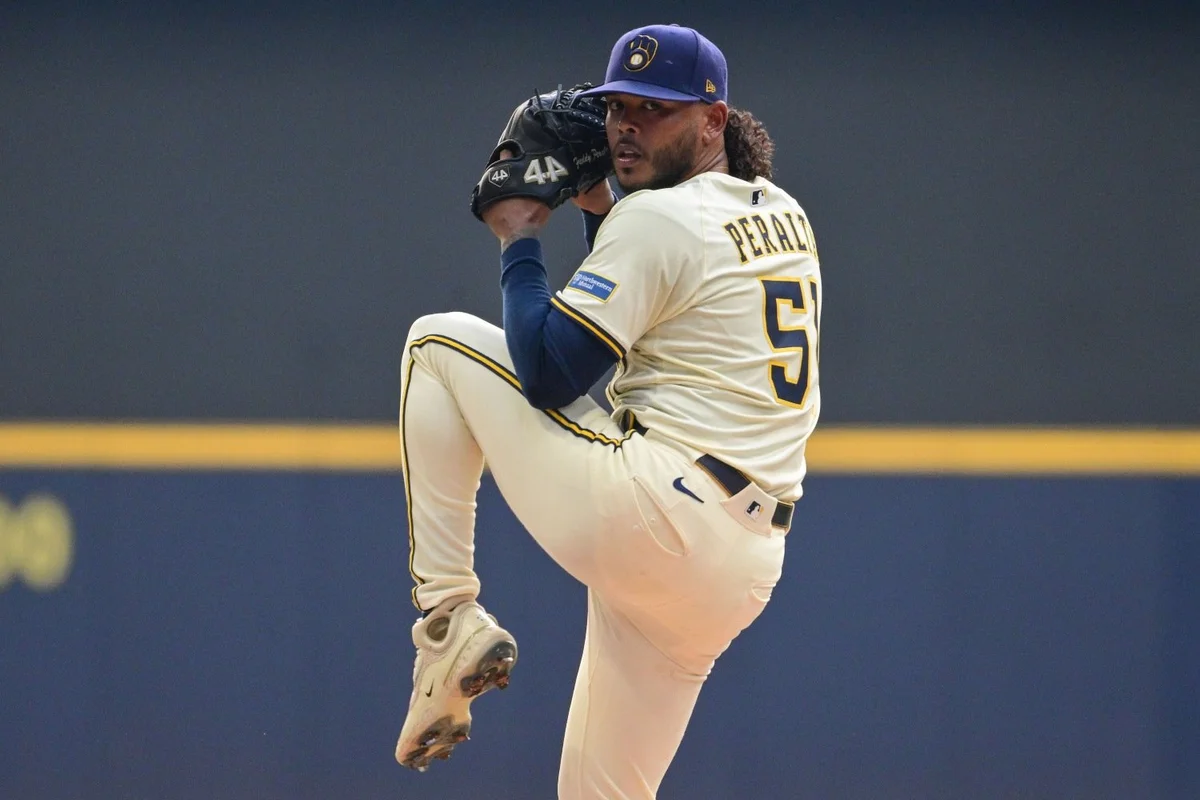
While the league’s leadership advocates for a salary cap, resistance remains strong from high-payroll teams like the Dodgers and the MLB Players Association (MLBPA), which fears that such a cap would limit players’ earning potential. The Dodgers’ ability to secure top talent with their substantial payroll—reportedly about three times that of the Brewers—has bolstered calls for salary limitations. The recent signing of Kyle Tucker to a four-year, $240 million contract intensified claims that the Dodgers are “ruining baseball” by outspending competitors.
However, when the Brewers traded their star pitcher Freddy Peralta in the weeks that followed, some Dodgers supporters shifted the blame, arguing that small-market teams, by trading away their best players and not matching large-market spending, are the true culprits harming baseball. They contend that if smaller-market teams invested as heavily as large-market franchises, competitive parity would improve naturally, negating the need for a salary cap. This debate exposes a fundamental clash over baseball’s economic realities and competitive structure.
Addressing Misconceptions: How Neither the Brewers Nor Dodgers Are to Blame
To properly understand who is genuinely responsible for baseball’s struggles, it’s important to examine the financial infrastructures underpinning teams like the Dodgers and Brewers. The Dodgers generate approximately $334 million annually from television revenue alone, compared to the Brewers’ estimated $35 million under the best circumstances. This imbalance is exacerbated by the Main Street Sports Group’s financial difficulties threatening broadcasting stability in Milwaukee, potentially reducing the Brewers’ income further if MLB assumes control.
Moreover, a significant factor is MLB’s 2011 bailout of the Dodgers during their bankruptcy, which included a favorable tax arrangement. As explained by independent sports journalist Joon Lee, MLB allowed the Dodgers to be taxed on their TV revenue as if they were still financially struggling, granting them an extra $66 million every year through 2039:
“Because the Dodgers went bankrupt, MLB agreed to tax their TV money as if they were still a broke. That lets the Dodgers keep about $66 million more every year than they otherwise would. This exception runs through 2039, according to a league source.” ? Joon Lee, Independent Sports Journalist
This extraordinary arrangement highlights the structural advantages the Dodgers possess, which no doubt contribute to their ability to maintain a dominant roster without typical financial constraints. Consequently, the problem lies not with the Dodgers or Brewers acting unfairly, but with MLB’s failure to develop a truly equitable revenue-sharing system like those seen in other professional sports leagues. The league’s inability to ensure balance has created a system in which teams with larger TV markets and special financial provisions gain significant competitive advantages.
While some criticize the Dodgers for exploiting their privileges—suggesting that signing Kyle Tucker was excessive—the reality is that without intervention from MLB, there is little incentive for the Dodgers to limit their spending when it consistently yields success and substantial profits.
Understanding the Brewers’ Strategy Within Baseball’s Financial Constraints
The Brewers’ recent roster moves, including trading Freddy Peralta, Devin Williams, and Corbin Burnes over the past three offseasons, reflect the financial limitations imposed by the broken state of baseball rather than any intent to undermine the sport. Milwaukee’s front office, known for its strategic acumen, recognizes that they cannot afford the free-agent salaries demanded by their top players and must therefore maximize value by trading stars before their contracts expire. This “player capital” approach is a creative response to a system that has constrained the team’s ability to compete financially.
The arguments accusing the Brewers of “ruining baseball” miss the central issue entirely. Ironically, the Brewers exemplify why a salary cap might not be necessary; they’ve managed to stay competitive without a massive payroll. Dodgers fans, who typically oppose the idea of salary caps due to the advantages their team enjoys, might better serve their interests by applauding Milwaukee’s model of sustained competitiveness on a smaller budget. The Brewers demonstrate that with clever roster management, teams can challenge wealthy franchises without necessitating imposed salary restrictions.
What Lies Ahead for Baseball’s Financial and Competitive Future
Ultimately, the controversy over the Freddy Peralta trade and the larger debate about who is “ruining baseball” overlooks the systemic issues embedded within Major League Baseball’s economic framework. The Dodgers are not the villains; rather, they are beneficiaries of a flawed system that grants them disproportionate financial leverage. Similarly, the Brewers are not perpetrators of damage but victims forced to adapt strategically within the constraints imposed by MLB’s current structure.
The true challenge facing baseball is the adoption of a more balanced revenue-sharing framework and a restructured Collective Bargaining Agreement that addresses disparities without harming players’ livelihoods or competitive fairness. As the 2026 CBA expiration approaches, the league, owners, players, and fans will need to confront these realities head-on to prevent further disruption, including potential work stoppages that could impact future seasons.
In this context, heated declarations like those from Dave Roberts and frustrated fan debates underscore the urgency for MLB to take serious action. Until then, the division between large-market spending power and small-market survival strategies will continue to fuel discord and threaten the sport’s integrity.
Because the Dodgers went bankrupt, MLB agreed to tax their TV money as if they were still a broke.
That lets the Dodgers keep about $66 million more every year than they otherwise would.
This exception runs through 2039, according to a league source.https://t.co/iRSaxeDoyT pic.twitter.com/80nDyCOA0L
— Joon Lee (@joonlee) January 22, 2026
