

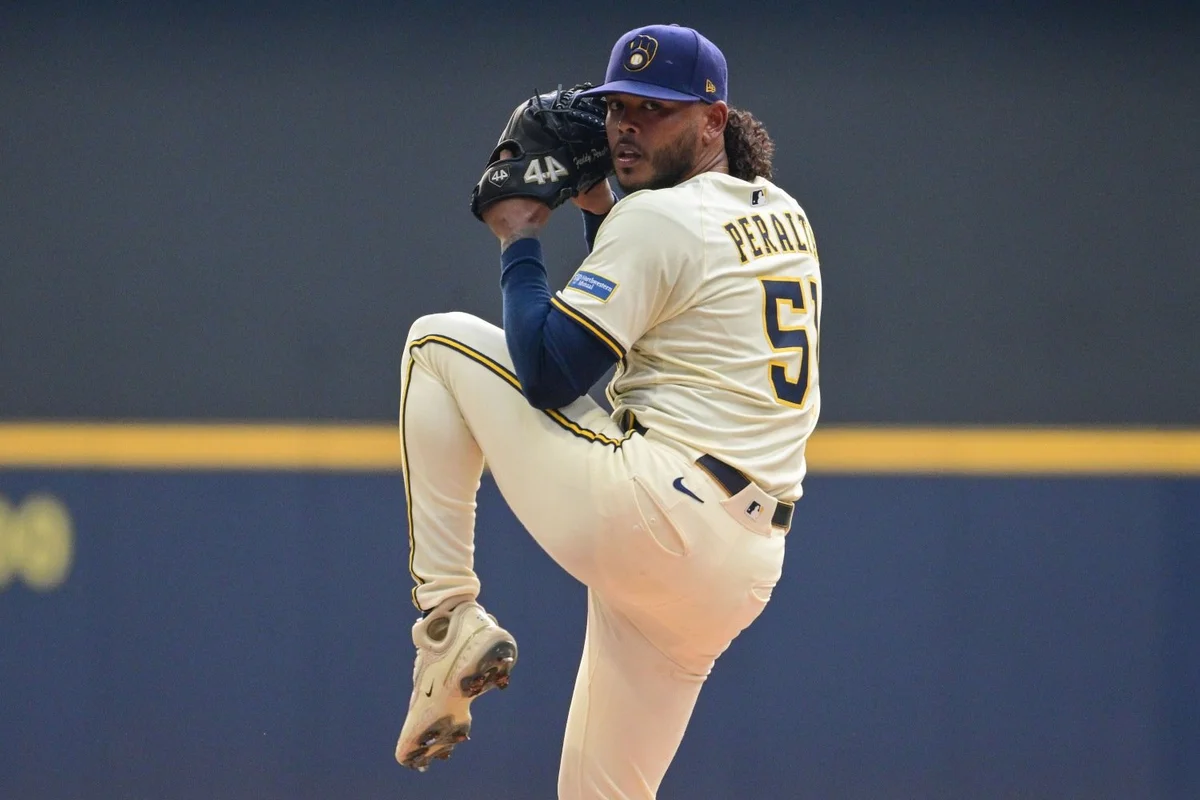
The Seattle Mariners’ trade of Freddy Peralta to the Milwaukee Brewers in December 2015 remains a contentious decision, especially as Peralta’s value has soared in recent years. At the time, Peralta was included in a package to acquire Adam Lind, a player with a once-promising track record. Now, after a stellar career year and a recent trade to the New York Mets, Peralta’s rise has become difficult for Mariners fans to ignore, highlighting the unpredictable nature of the Freddy Peralta trade impact.
Initial Expectations for Adam Lind and Freddy Peralta During the Trade
Back in 2015, the Mariners believed they were securing a valuable asset in Adam Lind, who had earned accolades including a Silver Slugger and even garnered AL MVP votes in the past. Lind came off a strong 2015 season with a career-high 3.6 bWAR and 87 RBIs, making him a versatile player capable of contributing at designated hitter, first base, and left field under new manager Scott Servais. His experience was expected to lift the Mariners’ lineup immediately.
In contrast, Freddy Peralta was one of three minor league pitchers included in the trade going to Milwaukee. Baseball America ranked him as the Mariners’ 15th best prospect entering 2016, with little projection for stardom. Analysts viewed him as more of a back-end starter or relief option, lacking indications that he would develop into a frontline pitcher. This perspective shaped Seattle’s confidence in moving Peralta as part of the deal.
Jerry Dipoto’s Role and Early Signals About Peralta
Jerry Dipoto had just started as the Mariners’ general manager when the trade was made, showing enthusiasm for Lind’s acquisition but with limited time to build a comprehensive picture of Peralta’s potential. Peralta’s early performances did little to inspire confidence; his 2019 season with Milwaukee was especially poor, posting a -0.7 bWAR, a 5.29 ERA, and a 1.459 WHIP, marking career-lows and discouraging any signs of emerging brilliance.
It wasn’t until 2021 that Peralta’s talent became undeniable, earning his first All-Star selection and cementing himself as a top-tier right-handed starter. His 2023 season was particularly impressive, producing career-best metrics including a 5.5 bWAR (best in the National League), 17 wins, a 2.70 ERA, and a 154 ERA+, alongside durability with 33 starts and 176.2 innings pitched. This breakout season propelled him into the spotlight and attracted the New York Mets, who acquired him to strengthen their pitching rotation.
The Long-Term Impact and Future Prospects of Peralta’s Career
Peralta’s journey from a modest prospect to an All-Star ace emphasizes the inherent uncertainty in player development and trades. While Mariners fans may regret losing Peralta, especially given Lind’s lackluster performance in Seattle, judgments can only reasonably be made with hindsight. Lind’s short tenure with the Mariners, which included a -0.3 bWAR in 2016 and an exit from baseball after 2017, contrasts sharply with Peralta’s eventual star status.
Now with the Mets, Peralta is poised to anchor their pitching staff and potentially secure a significant contract as a free agent after the 2026 season. His growth underscores how some players’ true value only emerges years after trades, complicating the ability of teams to predict long-term outcomes in baseball transactions.
Understanding the Complexity Behind the Mariners’ Decision
Despite the frustration among fans and analysts, it is important to recognize that few could have foreseen Freddy Peralta’s rapid development when the Mariners traded him. The team’s choice was based on the information and evaluations available at the time, including Dipoto’s early tenure and Lind’s promising recent performance. The unpredictable nature of athletic progress means that some trades, even those that appear misguided in retrospect, were reasonable bets when made.
“By all means, regret that the Mariners did not keep hold of Peralta and feel free to curse Lind for picking his one season in Seattle as the time to have arguably the worst campaign of his 12 years in the majors. Just don’t try to make out that you knew at the time that Peralta was going to develop into a star pitcher, or you will quite rightly be called out for your shenanigans.” – Jerry Dipoto, Mariners General Manager
The Freddy Peralta trade impact demonstrates how player evaluations evolve and how difficult it is for teams like the Mariners to gauge future success accurately. As Peralta continues his ascent on the Mets, this case will remain a prime example of the complexities involved in roster management and talent forecasting within Major League Baseball.
