
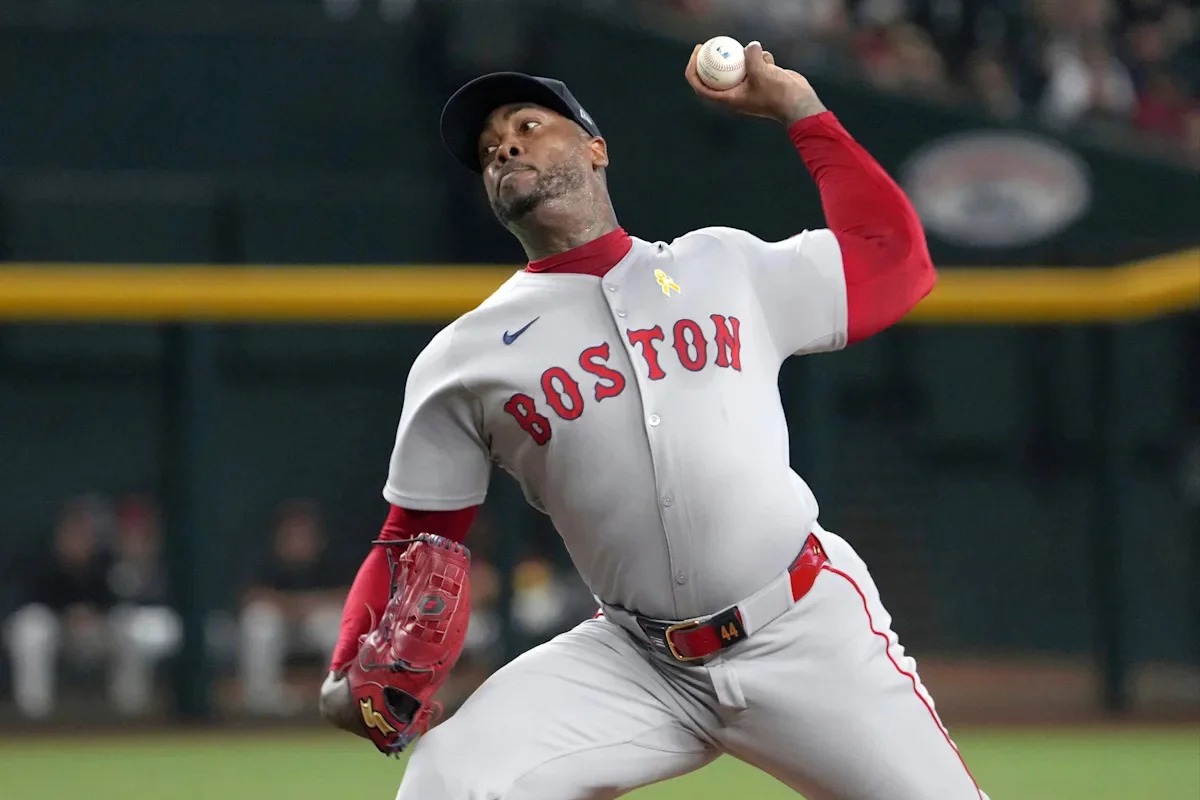
Aroldis Chapman, the Boston Red Sox’s star closer, will not participate in the upcoming World Baseball Classic after failing to meet eligibility requirements for the Great Britain team, sources confirmed Tuesday. Chapman was originally expected to join Great Britain’s roster, but his documentation
did not meet the blood lineage requirements
necessary to compete in the tournament. These rules permit players to represent a nation if they are citizens, permanent residents, were born in that nation or its territories, have a parent born there or holding citizenship, or can prove that citizenship or a passport would be granted.
Heritage Claims Through British Overseas Territories Rejected
Chapman had been anticipated to qualify for Great Britain based on heritage from British overseas territories, as reported by The Athletic’s Stephen Nesbitt in December. His case centered on
paternal grandparents emigrated to Cuba from Jamaica, which was a British colony until 1962.
Despite this connection, his eligibility was ultimately denied. Sources say Chapman’s opportunity to participate in the WBC is closed, and representing the United States is no longer an option at this point.
Impact of Eligibility and Insurance Challenges on WBC Rosters
Chapman’s removal from the WBC roster comes amid widespread difficulties faced by MLB teams and players due to insurance complications and eligibility regulations. As the tournament, set to begin on March 5, approaches, many players and national teams are still unclear about final participation. These constraints even led Puerto Rico to threaten withdrawal earlier this week. Despite roster announcements expected Thursday night on MLB Network, numerous teams remain uncertain as eligibility and insurance approvals continue to cause delays.
Red Sox Prospects and Veterans Expected to Compete in the Classic
In addition to Chapman’s absence, Boston is navigating its roster with cautious optimism. The Red Sox anticipate several players to join their respective countries, including starter Brayan Bello for the Dominican Republic and outfielders Wilyer Abreu (Venezuela), Jarren Duran (Mexico), and Ceddanne Rafaela (Netherlands). Relievers Jovani Morán (Puerto Rico) and Greg Weissert (Italy) are also expected to participate.
Garrett Whitlock has committed to Team USA as of November and is working through finalization steps, while starter Ranger Suárez, cleared to play, is likely to pitch for Venezuela. Masataka Yoshida, an outfielder and designated hitter, is believed to be a part of Team Japan’s squad after being cleared despite an injury-shortened 2025 season, although the team’s final roster has yet to be announced.
Uncertainty Surrounds Other Red Sox Players’ Participation
First baseman Willson Contreras hopes to compete for Venezuela, though his status will remain undecided until spring training begins next week. Utility player Nate Eaton is also under consideration for Great Britain, but his place is not yet confirmed. Overall, as many as 11 members of Boston’s 40-man roster could appear in the tournament.
Chapman joins players like Marcelo Mayer (Mexico) and Carlos Narváez (Venezuela), who expressed interest but will stay with the Red Sox. Additionally, Roman Anthony, Garrett Crochet, Trevor Story, Sonny Gray, and Johan Oviedo are not expected to participate in the WBC.
Continued Challenges for Teams as WBC Approaches
The ongoing issues surrounding insurance and eligibility underscore the challenges MLB teams face in finalizing World Baseball Classic lineups. For Boston and other clubs, securing players’ clearance remains a delicate process that could alter rosters at any moment. With the tournament just weeks away, these hurdles highlight the complexity of organizing international baseball events amid strict regulatory environments.
“did not meet the blood lineage requirements” – Source with knowledge of the process
“through heritage through British overseas territories with his family” – Stephen Nesbitt, The Athletic
“paternal grandparents emigrated to Cuba from Jamaica, which was a British colony until 1962.” – Stephen Nesbitt, The Athletic
