
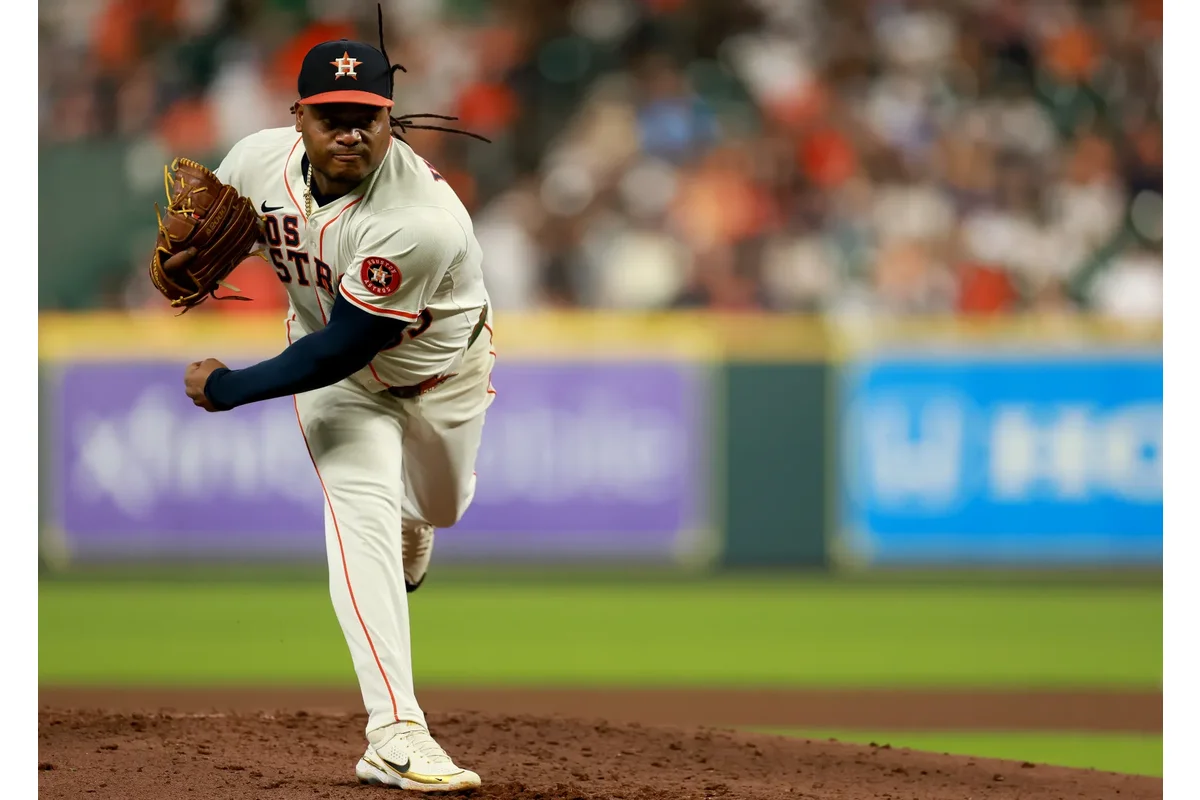
Major League Baseball is undergoing profound changes that have left many fans unsettled, with ESPN’s Sunday Night Baseball ending and innovations such as robo umpires and the controversial 10th-inning ghost runner rule shaping a new reality. Commissioner Rob Manfred’s vision of expanding MLB to 32 teams adds to the shifting landscape. These developments come as the league approaches a potential breaking point in 2027, when a significant labor dispute threatens the sport’s future. These pressures have sparked anxiety and frustration among players, executives, and fans alike.
David Cone to Increase Presence on YES Despite ESPN Changes
David Cone, a longtime analyst affected by ESPN dropping Sunday Night Baseball, will focus more on broadcasting with YES Network this season, doubling his appearances to 60 games alongside Michael Kay. Though Cone will miss the national platform, his strong ties to the New York Yankees have made the move feel natural, allowing him to stay close to a team he considers family. As an insider familiar with the sport’s evolving dynamics, Cone shared his insights on the upcoming season, pitching challenges, and team strategies.
Yankees’ Offseason Decisions and Eastern Division Competition
David Cone acknowledged the criticisms aimed at Yankees general manager Brian Cashman and Hal Steinbrenner for largely maintaining last year’s roster. He noted that the American League East race will be fiercely competitive, particularly with a strong Toronto Blue Jays squad contending. The Yankees’ strength, according to Cone, lies in their young pitching talent, including Cam Schlittler, whose performance last season hinted at the promising arms soon to bolster the rotation. This optimism comes despite the frustrations of fans who are eager for postseason success.
Gerrit Cole’s Return and Pitching Adjustments in 2026
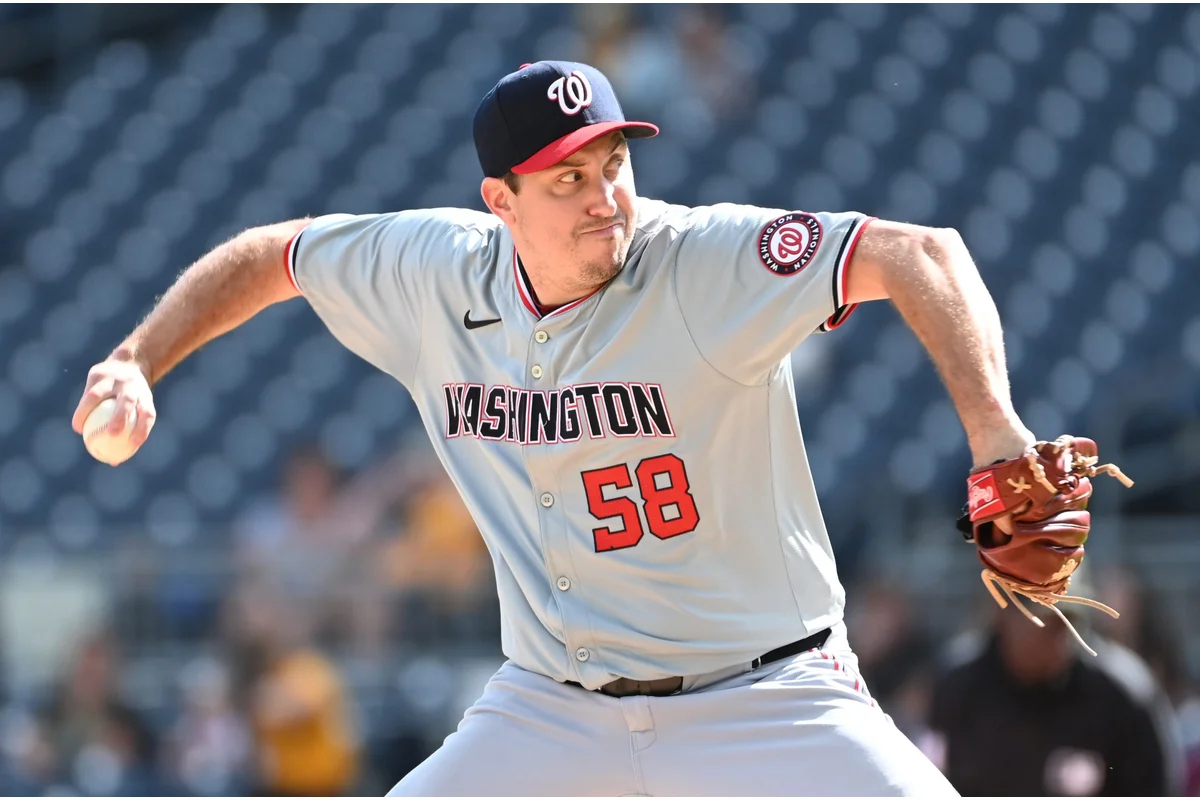
Cone expressed confidence in Gerrit Cole’s ability to return from Tommy John surgery during the 2026 season, anticipating that Cole will adjust his approach by conserving energy mid-game and utilizing strategic pitches like his two-seamer. This adaptation would help him maintain effectiveness throughout the season, even as he approaches age 35. Cole’s presence is critical for the Yankees’ hopes of surpassing the Blue Jays in the division, and Cone expects him to return strong despite the challenges associated with such a significant surgery.
Fan Frustration Over Extended Championship Drought
Despite the Yankees showcasing historic performances from stars like Aaron Judge, who is in the prime of his career, the team has struggled to capture postseason glory. Cone recognizes the intensity of fan disappointment after 16 years without a World Series title, especially since this stretch coincides with Judge’s dominance. The acquisition of players such as Cody Bellinger and the emergence of Trent Grisham have strengthened the Yankees’ outfield, which was the most productive offensively last season, yet postseason results remain elusive.
Challenges of Modern Postseason and Organizational Effort
Cone highlighted that the postseason landscape has become more challenging than two decades ago, due to an expanded format increasing unpredictability. The psychological and physical toll on teams complicates any playoff run. He rejected the notion that past Yankees owner George Steinbrenner’s approach would solve current issues, emphasizing that baseball operates in a very different context today. Furthermore, Cone defended the Yankees’ investment strategy, explaining that organization leaders, including Hal Steinbrenner, have focused on sustainable growth and infrastructure rather than just payroll.
Debate Over Yankees’ Spending and Team Building Approach
While the Yankees have faced criticism for not aggressively pursuing high-profile players in recent offseasons, Cone pointed out that team building is a complex process that goes beyond simply increasing payroll. He acknowledged valid fan opinions about possible acquisitions such as Bruce Harper, Justin Verlander, or Manny Machado, but reassured that the Yankees’ current roster and farm system—especially their pitching prospects—form a strong foundation for sustained success. Therefore, the organization is not neglecting competitiveness despite such criticisms.
Implications of Dodgers’ Financial Power on Baseball’s Balance
David Cone addressed concerns surrounding the Los Angeles Dodgers’ consecutive championships and their reputation as baseball’s wealthiest club. Some fear their spending could destabilize the league. Cone reminded that MLB’s luxury tax acts as a soft cap, redistributing money from big-spending teams like the Dodgers back to smaller markets, thus maintaining some competitive balance across the industry. Although the Dodgers have made significant investments in players such as Kyle Tucker, the overall system benefits from this financial circulation, helping fund smaller teams.
Concerns Mount as 2027 Labor Negotiations Approach
The tension surrounding 2027 and the potential MLB labor dispute is palpable. Cone voiced genuine concern over the possibility of lost games but acknowledged that the negotiating parties often engage in strategic posturing before reaching agreements. His past experience suggests that while both sides will test each other thoroughly, opportunities to finalize deals typically arise when timing is right. The delay and uncertainty fuel anxiety across the baseball community, threatening to disrupt a critical season.
Reflecting on an Unexpected Path from Pitching to Broadcasting
David Cone shared personal reflections about his transition from player to broadcaster, revealing how he initially lived “in a bubble” during his playing days and did not contemplate what life after baseball would look like. His broadcasting career began when John Filippelli, former president of YES, offered him an unexpected opportunity. Cone expressed gratitude for this chance and described how he continues to revisit his pitching era through video footage with amazement, noting how the passage of time changes memories of his own athletic feats.
Comparing Past and Present MLB Pitching Conditions
Looking back to his peak years in 1990 and 1991, when he led MLB in strikeouts, Cone identified changes in the strike zone as a significant difference between then and now. Pitches that were once strikes today would be called balls, illustrating how the game’s rules and umpiring standards have evolved. Conversely, the renewed enforcement of high strikes could benefit pitchers similarly to Dwight Gooden, who might fare even better in today’s environment, hypothetically striking out even more batters.
