
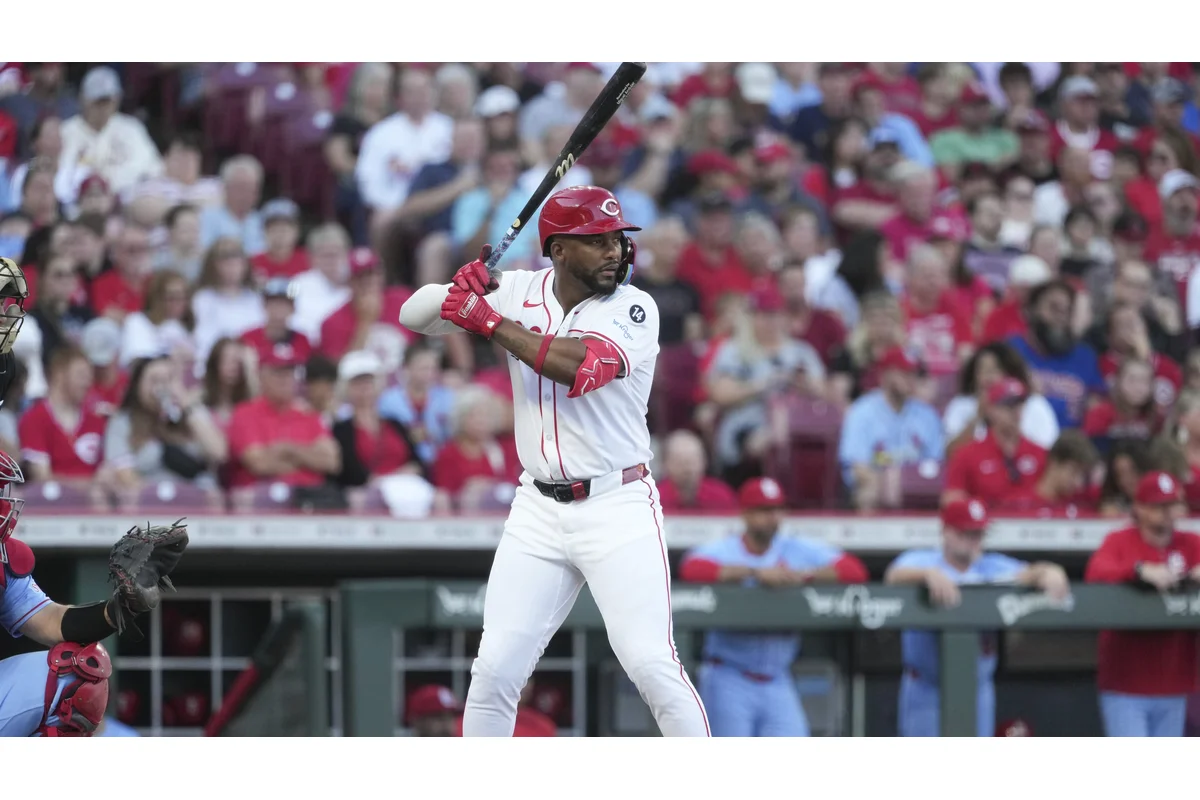
In a significant federal case in Los Angeles, former Major League Baseball outfielder Yasiel Puig was found guilty of obstruction of justice and lying to investigators looking into an illegal gambling ring, according to the U.S. Attorney’s Office on Friday. The verdict follows a multiweek trial and exposes Puig to a potential prison sentence of up to 20 years.
The case centers on Puig’s involvement in wagering activities during 2019, where he reportedly placed hundreds of bets on tennis, football, and basketball through an operation controlled by Wayne Nix, a former minor league baseball player. Puig’s illegal gambling activities and subsequent interactions with federal authorities have brought his career and legal standing under intense scrutiny.
Details of Illegal Betting and Trial Testimony
During the trial, prosecutors presented evidence that Puig placed more than 900 bets via websites managed by Nix and through associates linked to this illegal gambling network. Prosecutors revealed that in a January 2022 interview, Puig denied understanding the betting activity, the identity of his contacts, and how he handled his gambling debts. However, this denial was contradicted by audio recordings played in court and expert witnesses who testified about Puig’s ability to understand and communicate in English.
Donny Kadokawa, a baseball coach from Hawaii, also testified at the trial, confirming his role as a conduit for Puig’s bets. Additionally, Major League Baseball officials contributed testimony, underscoring the league’s commitment to addressing gambling scandals.
Puig’s Changing Legal Strategy and Defense Claims
Initially, Puig entered a guilty plea in August 2022 to a felony for providing false information to federal agents. He admitted losing over $280,000 within months while betting. Nevertheless, months later, he reversed this stance, asserting innocence in the face of newly uncovered evidence. Puig’s attorneys released a statement quoting him:
“I want to clear my name,”
“I never should have agreed to plead guilty to a crime I did not commit.”
?Yasiel Puig, Former MLB Outfielder
Puig’s defense contended that he suffers from untreated mental health issues, has only a third-grade education, and faced communication obstacles during the federal interview because of a lack of proper legal counsel and a competent interpreter. His former lawyer, Steven Gebelin, testified that language barriers, particularly challenges with Puig’s Spanish dialect, hampered the interview process.
Background on Wayne Nix and Gambling Operation
Wayne Nix, central to this illegal gambling case, had earlier pleaded guilty to conspiracy related to operating an illicit gambling business and filing false tax documents. He remains awaiting sentencing. Authorities have portrayed Nix as the head of the scheme that linked Puig and others to widespread illegal bets. This operation attracted scrutiny because it involved high-profile sports figures using third parties to place bets covertly.
Puig’s Career Overview and Public Perception
Yasiel Puig, who made his major league debut at 22 after defecting from Cuba, was considered a prodigious talent. In seven MLB seasons, primarily with the Los Angeles Dodgers, he compiled a batting average of .277 with 132 home runs and 415 RBIs. Puig earned an All-Star selection in 2014 and was known for his explosive playing style, earning him the nickname “wild horse” from Dodgers broadcaster Vin Scully.
After stints with the Cincinnati Reds and Cleveland Indians in 2019, Puig became a free agent. He subsequently played in the Mexican League before signing a one-year contract worth $1 million last year with South Korea’s Kiwoom Heroes.
Implications of Guilty Verdict and What Lies Ahead
This conviction marks a severe setback for Puig, potentially ending his professional sports career and leading to substantial prison time. The case underscores Major League Baseball’s ongoing challenges with gambling-related scandals and federal authorities’ determination to investigate criminal activity connected with the sport. Beyond Puig personally, the ruling sends a strong message about the consequences athletes face if involved in illegal betting.
As sentencing approaches, all eyes remain on how the legal system will weigh the evidence of Puig’s culpability alongside his defense of mental health issues and communication struggles. Meanwhile, the baseball community and its fans grapple with the fallout from a prominent player’s legal troubles tarnishing the sport’s reputation.
