
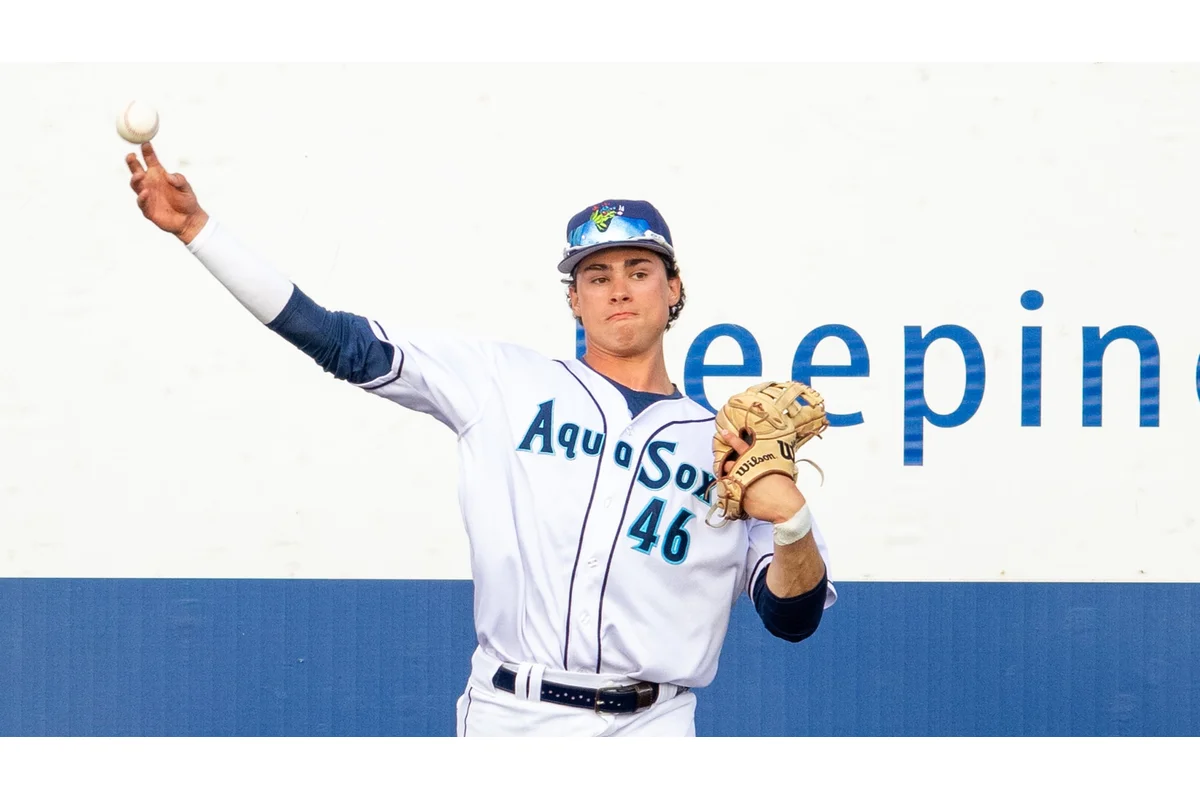
Seattle Mariners’ 21-year-old second baseman Cole Young made headlines in the 2025 season by hitting the longest home run for the team, despite his modest overall statistics. On July 31, he crushed a 456-foot home run against Kumar Rocker, outdistancing power hitters like Cal Raleigh, Julio Rodríguez, and Eugenio Suárez. As Young enters his second major league season, the Mariners hope his development could provide the solution to their ongoing struggles at second base.
Persistent Challenges at Seattle’s Second Base
The Mariners have struggled to find a reliable second baseman since trading Robinson Canó prior to the 2019 season. Over the last eight seasons, Seattle has seen a revolving door of players starting at second base on Opening Day, including Dee Strange-Gordon, Shed Long Jr., Dylan Moore, Adam Frazier, Kolten Wong, Jorge Polanco, and Ryan Bliss. None have delivered sustained success.
Statistically, Mariners’ second basemen between 2019 and 2025 rank 24th in fWAR with just 8.4 and sit near the bottom of the league (29th) in OPS at .651. Their batting average (.225), on-base percentage (.298), and slugging percentage (.354) are also in the league’s lowest tiers. Polanco’s 2.6 fWAR in 2025 stands as the best among Seattle’s second basemen in that stretch, but he played only 38 games before departing for the Mets, mirroring Canó’s exit to New York years earlier.
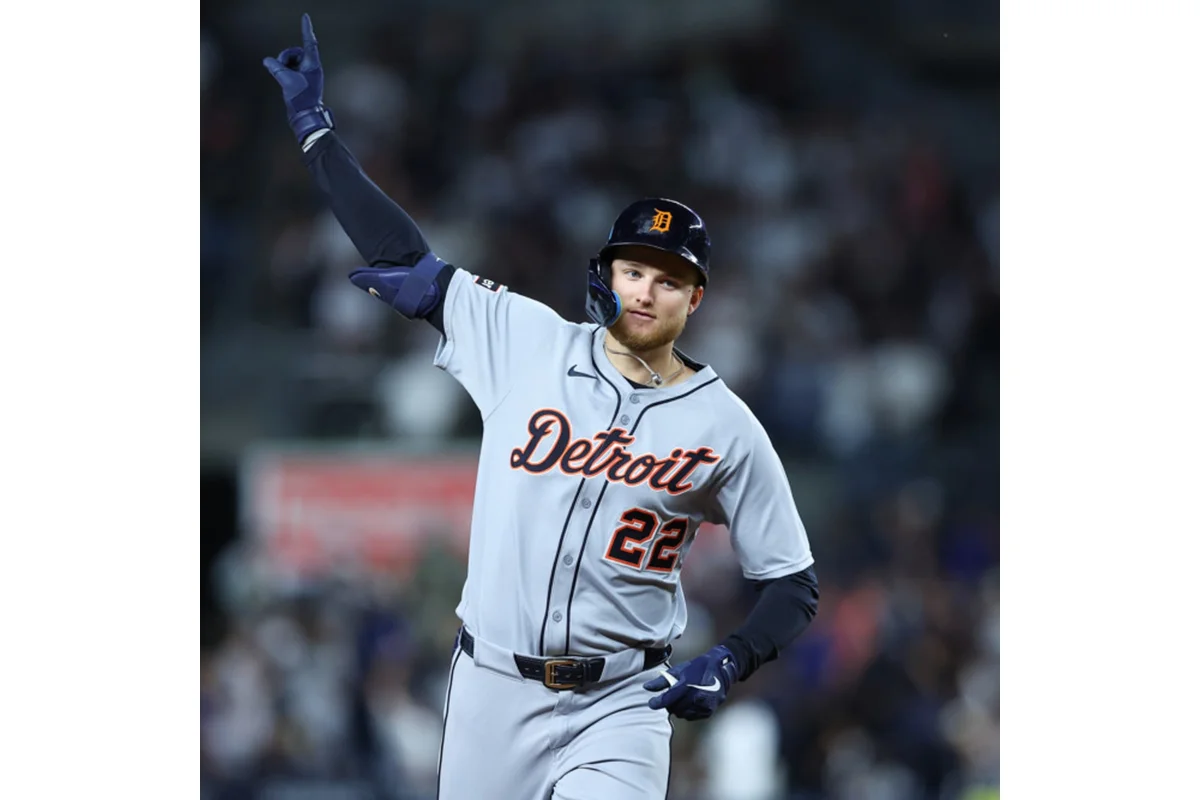
Despite pairing various candidates alongside J.P. Crawford up the middle, the Mariners’ search for stability continues. Cole Young, set to be the team’s eighth Opening Day second baseman in eight years, represents perhaps the most promising option in this long-running quest.
Cole Young’s Early Indications of Potential
Cole Young debuted in the major leagues on May 31, 2025, at 21 years and 306 days, becoming the youngest Mariner second baseman since Ketel Marte nearly a decade before. His first game featured a walk-off RBI, signaling moments of promise early in his career.
From July 8 to August 15, Young appeared in 26 games and produced an impressive slash line of .292/.427/.486, with a 166 weighted runs created plus (wRC+), indicating strong offensive contributions during that stretch. Among 259 hitters with at least 90 plate appearances in this period, Young ranked fourth in on-base percentage and 14th in wRC+. He led with an exceptional 18.9% walk rate and maintained a low strikeout rate of 12.2%. His walk-to-strikeout ratio above 1.5 placed him alongside notable players like Geraldo Perdomo, José Ramírez, and Ketel Marte.
Young also demonstrated significant power potential. In his short time, he hit four of the ten hardest balls by a Mariners second baseman since Canó’s departure, including the longest, a 456-foot home run at 114.1 mph, and a 113.4 mph double. His 23.6% whiff rate was below the league average, and overall, he combined a solid walk rate with a controlled strikeout frequency.
Young’s batted ball profile was encouraging, characterized by a 38.3% groundball rate and a 28.9% fly ball rate, both above MLB averages, with an emphasis on pulling the ball. This is significant because pulled fly balls tend to yield 30% more home runs than those hit to the center or opposite fields. His 32.7% fly ball pull rate in 2025 placed him among a rare group of young power hitters, joining the likes of Cody Bellinger (2017), Junior Caminero (2025), Francisco Alvarez (2023), and Julio Rodríguez (2022).
Areas Requiring Growth for Young’s Advancement
Despite these promising signs, Young’s overall impact was limited in 2025, finishing with a .211 batting average, .607 OPS, and a negative 0.3 fWAR. His performance declined sharply in the season’s final 21 games, where he went 3-for-51 and saw his batting metrics fall.
Notably, Young’s batted ball tendencies worsened late in the season. Before August 16, he posted a groundball rate of 36.6%, but it increased to 43.9% afterward, correlating with a drop in line drive rate from 25.8% to just 9.8%. His line drive rate placed him tied for the lowest among hitters with at least 25 batted balls during that period, limiting his offensive production.
On the pitching side, Young struggled most against four-seam fastballs, which accounted for 41.8% of pitches thrown to him in 2025—the ninth highest rate among qualified hitters. His inability to handle fastballs effectively was evident in a -5.6 runs per 100 fastballs received (RV/100), ranking second-worst among players with 150 or more plate appearances against fastballs. His batting average against these pitches was .182, with a slugging percentage of .234, further highlighting the trouble he had against velocity—including cutters and sinkers.
Defensively, Young also faced challenges. Across 73 games at second base, he recorded -9 Outs Above Average (OAA) and -7 Fielding Runs Above Average (FRAA), landing him among the poorest defenders at second base. His negative -4 OAA when moving in on the ball, and -6 OAA moving to his right, underscore specific shortcomings that will require improvement for him to become a dependable middle infielder.
Looking Ahead: Young’s Role in the Mariners’ Future
At just 22 years old with only 77 major league games played, Cole Young remains in an early phase of his development. While his rookie year showcased flashes of power and plate discipline, addressing his struggles against fastballs and improving defensively will be key for both his progression and the Mariners’ ambitions.
The Mariners responded to a tough loss in Game 7 of the ALCS by re-signing Josh Naylor, acquiring Brendan Donovan from St. Louis to upgrade the lineup, and adding relief pitcher Jose A. Ferrer. If Young can provide solid production at the bottom of the batting order and stabilize second base, Seattle could be positioned to ascend as a leading contender in the American League.
The potential for Young to solidify the Mariners’ middle infield would be significant—not only ending years of instability at second base but also complementing a dynamic lineup that aims to bring the franchise its first World Series championship and deliver baseball glory to the Pacific Northwest.
