
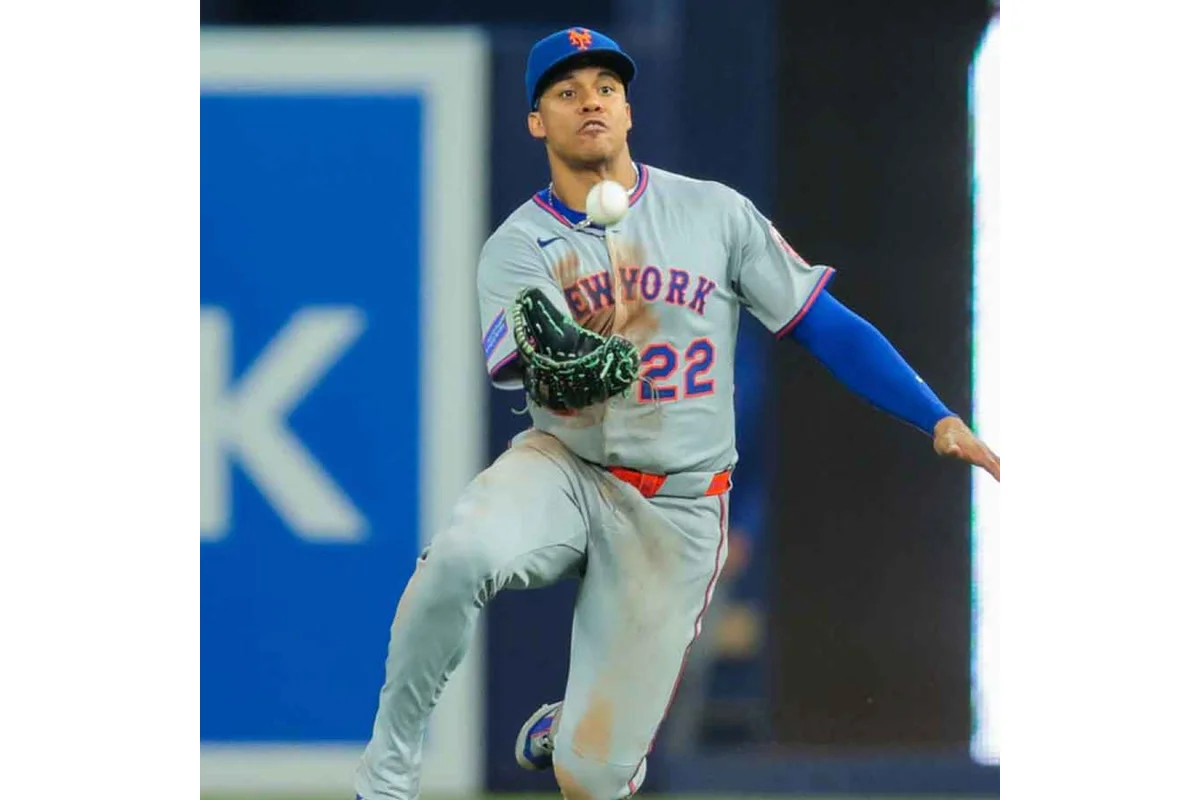
Juan Soto, known primarily as a right fielder, is preparing to take on a new role with the New York Mets by transitioning to left field full-time, team president of baseball operations David Stearns confirmed Tuesday. This change follows discussions after Soto played left field for the Dominican Republic team during the recent World Baseball Classic, prompting conversations between Soto and Mets manager Carlos Mendoza about the possibility of a permanent move.
Factors Driving the Outfield Realignment
The decision to shift Soto to left field was not initially planned during the offseason but emerged after ongoing talks last month, reflecting a strategic adjustment led by roster considerations.
“It made sense for us from a roster perspective so we’re going to go forward with everyone on board with it,”
Stearns explained.
“It’s not something we really contemplated coming into the offseason, but as we had conversations over the last month it made sense.”
?David Stearns, President of Baseball Operations
With Soto poised to cover left field, Luis Robert Jr. is expected to remain in center field, leaving right field open for competition. The Mets are considering several candidates for the right-field position, including top prospect Carson Benge, along with Brett Baty and MJ Melendez, who recently secured a major league contract with the team.
Soto’s Background and Experience in Left Field
Soto is no stranger to playing in left field. During the 2023 season with the San Diego Padres, he regularly manned that position. His early major league years with the Washington Nationals also saw him as a starting left fielder. Overall, Soto has appeared in 460 games at left field compared to 603 in right, providing valuable experience as he transitions roles for the Mets.
Implications for the Mets’ Outfield and Future Prospects
This position change signals a shift in the Mets’ outfield dynamics, allowing the team to utilize its roster depth more effectively. The open right field spot creates opportunities for emerging players to establish themselves at the major league level. The adjustments could aid in addressing lineup balance and defensive alignment as the season progresses.
The move also demonstrates the Mets’ adaptability and willingness to rethink player roles based on evolving circumstances, which could impact their strategy throughout the upcoming season.
