
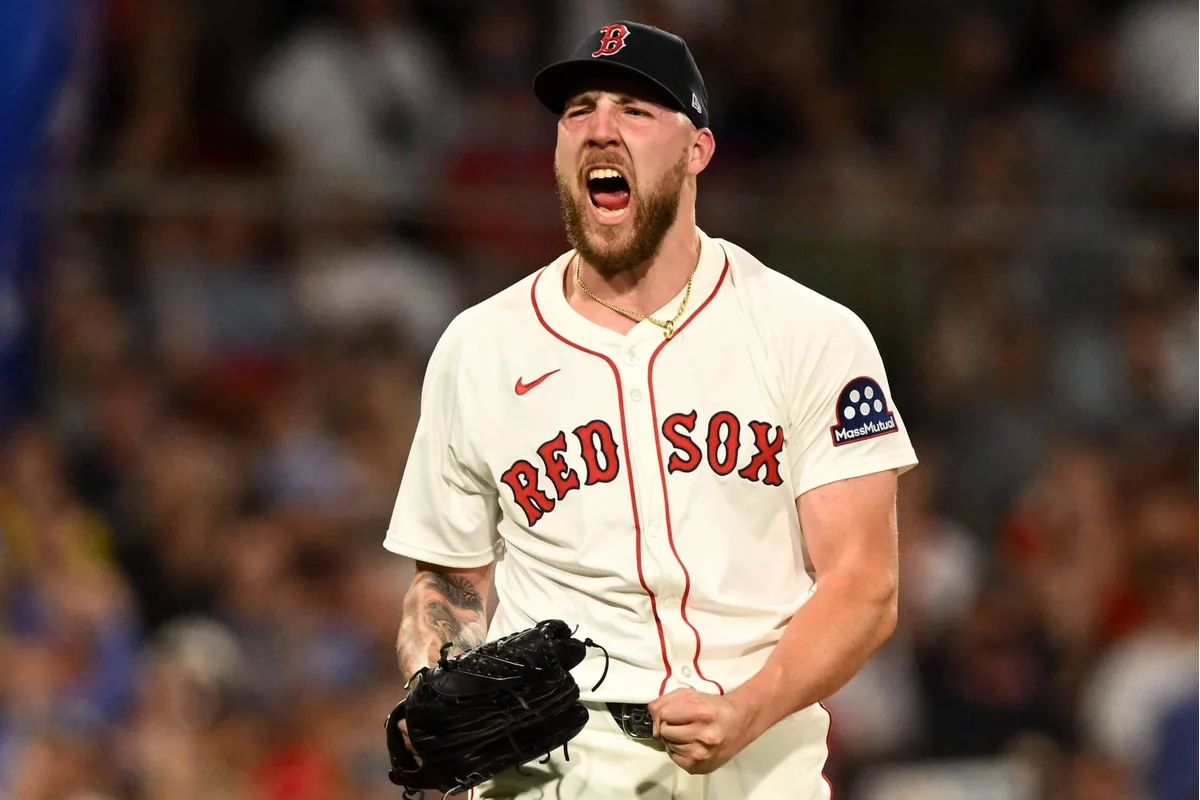
Garrett Crochet, the Boston Red Sox’s standout left-handed pitcher, is set to start on opening day for the 2026 MLB season, following a dominant 2025 campaign. As he prepares for the year ahead, Crochet has revealed that he is adding a new pitch to his repertoire, aiming to enhance his effectiveness on the mound.
During a Monday press conference, Crochet announced that he has integrated a splitter into his pitching arsenal, effectively replacing his previous changeup. This transition leverages a pitch with similar speed, grip, and arm mechanics, allowing for a seamless adjustment in his approach.
“It’s kind of more of a splitter now than it has been in the past,”
Crochet said.
I felt like I was always pretty timid to buy into that pitch, they kind of scare you growing up that it’ll give you the elbow bug, but I found one grip that works for me, and I’ve been recovering really well.
?Garrett Crochet, Boston Red Sox pitcher
Understanding the Shift from Changeup to Splitter
The move from a changeup to a splitter might seem subtle, but it could have significant strategic implications for Crochet’s pitching. Both are slower than a fastball by about 8-12 miles per hour, but they differ in how they behave as they approach the plate.
A changeup generally exhibits arm side run, which means it breaks away from a hitter’s swing path, especially when pitched against opposite-handed batters. This movement is gentler than a slider’s sharp break but is designed to disrupt timing just before the pitch arrives. Conversely, a splitter is not meant to break laterally; instead, it drops vertically toward the catcher in a sudden manner, adding a new dimension to pitch movement.
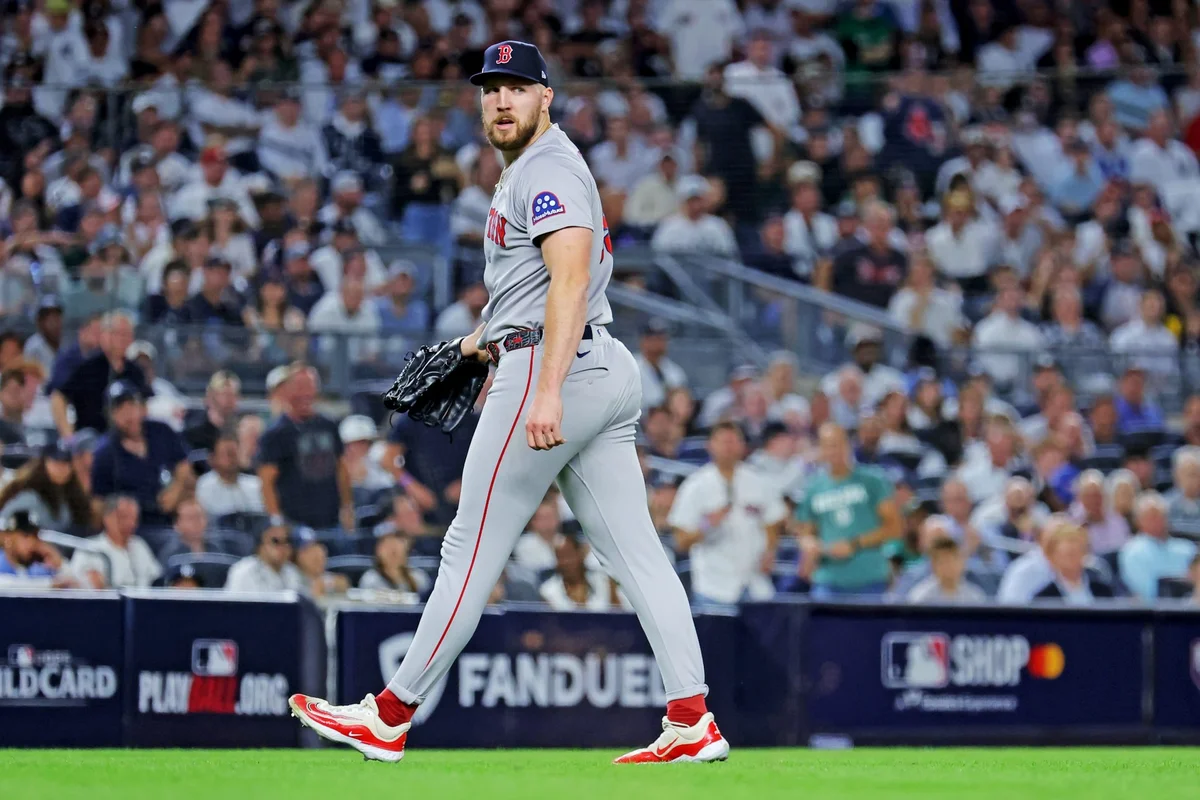
By adopting the splitter, Crochet may now throw a pitch that is equally challenging for both left-handed and right-handed hitters. Last season, his changeup was rarely used—approximately 4% of his total pitches—and was almost exclusively targeted at right-handed batters. He threw less than 1% of changeups against lefties, due to the pitch’s diminished effectiveness when matched against hitters with the same batting side.
The changeup tends to be easier for left-handed batters to hit when faced with a left-handed pitcher because the ball’s arm side break moves toward the batter’s swing path. The splitter, on the other hand, with its downward drop, can bewilder hitters regardless of their handedness, potentially making it a versatile weapon for Crochet’s pitch mix.
Focus on 2026 Season and Future Prospects
After declining an invitation to participate in the World Baseball Classic with Team USA, Crochet has signaled a clear priority on his club season with the Red Sox. This decision underlines his commitment to building on his impressive 2025 performance.
In the previous season, Crochet compiled an 18-5 record with a 2.59 ERA and struck out 255 batters, surpassing 200 innings pitched for the first time. His strong showing earned him second place in the American League Cy Young Award voting, narrowly trailing Tarik Skubal of the Detroit Tigers.
With the addition of the splitter to his pitching arsenal, Crochet looks poised to refine his game further, aiming to maintain or improve upon his elite status in the league. If the pitch proves effective as projected, it could enhance his ability to neutralize hitters on both sides of the plate and strengthen the Red Sox’s pitching staff in the upcoming season.
