
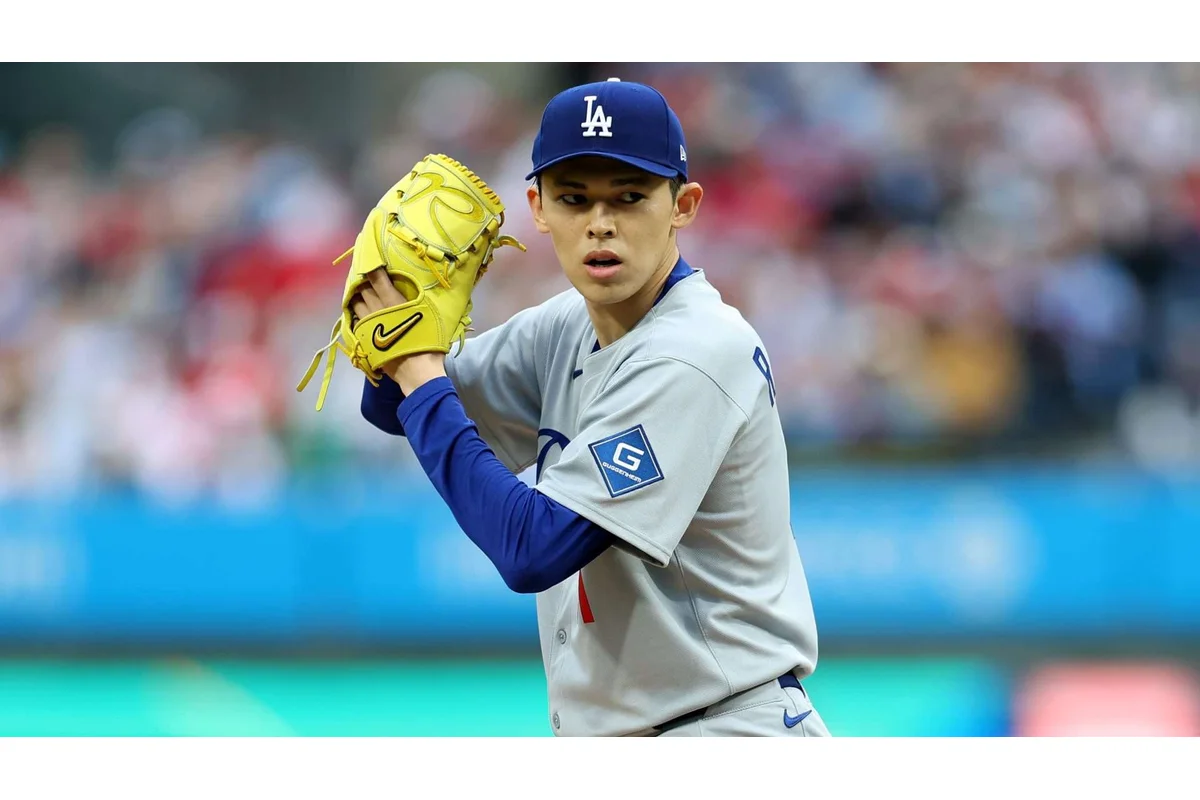
Last winter, the Seattle Mariners’ failure to sign Roki Sasaki, a highly sought-after pitching prospect from Japan, shifted from a source of disappointment to relief within a year. Sasaki, coveted by all 30 MLB teams during the 2024-25 offseason, was a top prize, and the Mariners made a notable effort by featuring Ichiro Suzuki in their promotional outreach to sway the young right-handed amateur.
However, Sasaki never engaged in a meeting with the Mariners and eventually signed with the Los Angeles Dodgers. His transition to the major leagues quickly became complicated due to struggles as a starting pitcher and a shoulder injury that sidelined him for several months before he found success as a late-season closer.
Roki Sasaki Remains a Source of Concern for the Dodgers
According to Dylan Hernandez of the New York Post, Sasaki, now 24 years old, is still battling to secure his role among the Dodgers’ pitching rotation, likely as their No. 5 or No. 6 starter. Dodgers manager Dave Roberts has expressed that, despite Sasaki’s powerful fastball and forkball, the pitcher must develop a third pitch to succeed at this level.
“For me, he needs to develop a third pitch.” ? Dave Roberts, Dodgers Manager
While Sasaki has a slider, its limited use in 2025 and modest effectiveness—hitting a .250 batting average against right-handed hitters—means it does not yet satisfy the team’s needs. Roberts has suggested that a curveball or a sweeping pitch moving in the opposite direction might better complement Sasaki’s arsenal.
Nevertheless, some scouting sources remain uncertain whether Sasaki’s pitching mechanics will allow him to add another pitch successfully, complicating his development. Additionally, the Dodgers have faced challenges connecting with Sasaki, as Roberts emphasizes the need for greater humility and adaptability from the young pitcher.
“He needs to show more humility and openness to new ideas.” ? Dave Roberts, Dodgers Manager
What This Means for the Mariners’ Pitching Staff
The Mariners, meanwhile, appear largely unaffected by Sasaki’s struggles with the Dodgers. Their pitching rotation is already well-established, making the addition of Sasaki unnecessary. From a team perspective, not acquiring Sasaki spared them from the early-career instability and injuries he has encountered.
Reflecting on what might have been, the Mariners’ respected pitching development system could have offered Sasaki a structured environment, but the current situation leaves open questions about whether the same challenges would have emerged. For now, the Mariners avoid the turbulence tied to Sasaki’s growing pains with Los Angeles.
The Ongoing Saga of Sasaki’s Potential and Its Broader Impact
Roki Sasaki’s uneven start after signing with the Dodgers underscores the complexities of bringing international talent into MLB and highlights the difficulty of transitioning from an amateur prospect to a consistent starter in a competitive rotation. His case also illustrates the importance of pitch variety and mental adaptability in the majors, even for a high-velocity pitcher with dominant secondary offerings.
For the Mariners, Sasaki’s early struggles suggest that missing out on him might protect them from the instability they could have faced. Meanwhile, if the Dodgers manage to unlock his full potential, it could turn previous doubts into renewed excitement, revisiting the notion that the Mariners passed on a game-changing talent.
