
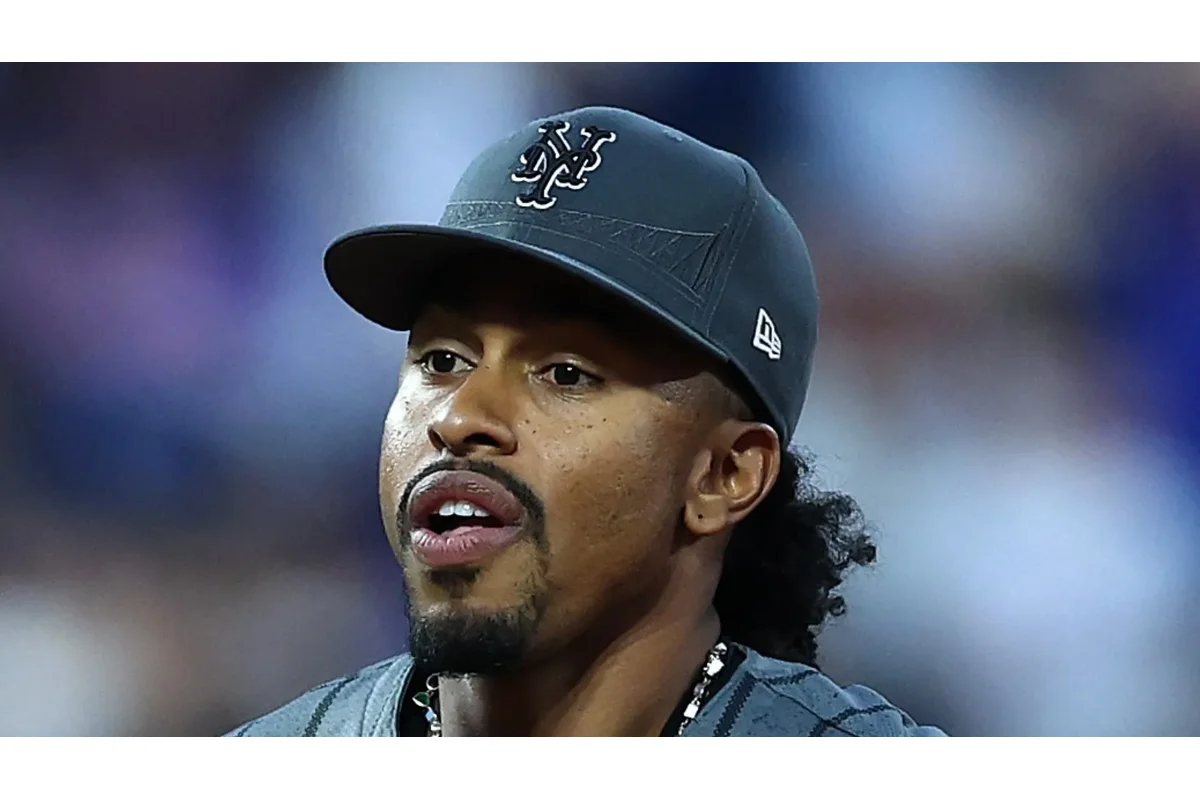
Francisco Lindor, the Mets’ shortstop, underwent surgery Wednesday to fix a stress reaction in his left hamate bone, leading to a projected six-week recovery. Although the team expects Lindor to be ready for opening day, his absence creates uncertainty for the Mets’ infield setup as they prepare for the upcoming season at Citi Field.
This setback brings new challenges for the Mets’ roster, which was already undergoing significant reorganization under president of baseball operations David Stearns. Just weeks ago, Stearns envisioned a flexible infield with multiple shortstops rotating roles. Now, with Lindor sidelined, the team must adjust quickly to maintain its defensive strength and chemistry.
Replacement Challenges and Infield Role Adjustments
Lindor’s injury places added pressure on players like Ronny Mauricio, who has been gaining experience during Grapefruit League games, but is not seen as an immediate shortstop solution. Meanwhile, veterans Marcus Semien, Jorge Polanco, and Bo Bichette, all experienced shortstops with over 2,000 games combined at the position, are not expected to revert to their previous roles.
Polanco is projected to move to first base, a position he has barely played professionally, while Bichette will shift to third base for the first time in his major-league career. Mets manager Carlos Mendoza emphasized that Bichette will focus exclusively on adapting to third base defensively during spring training.
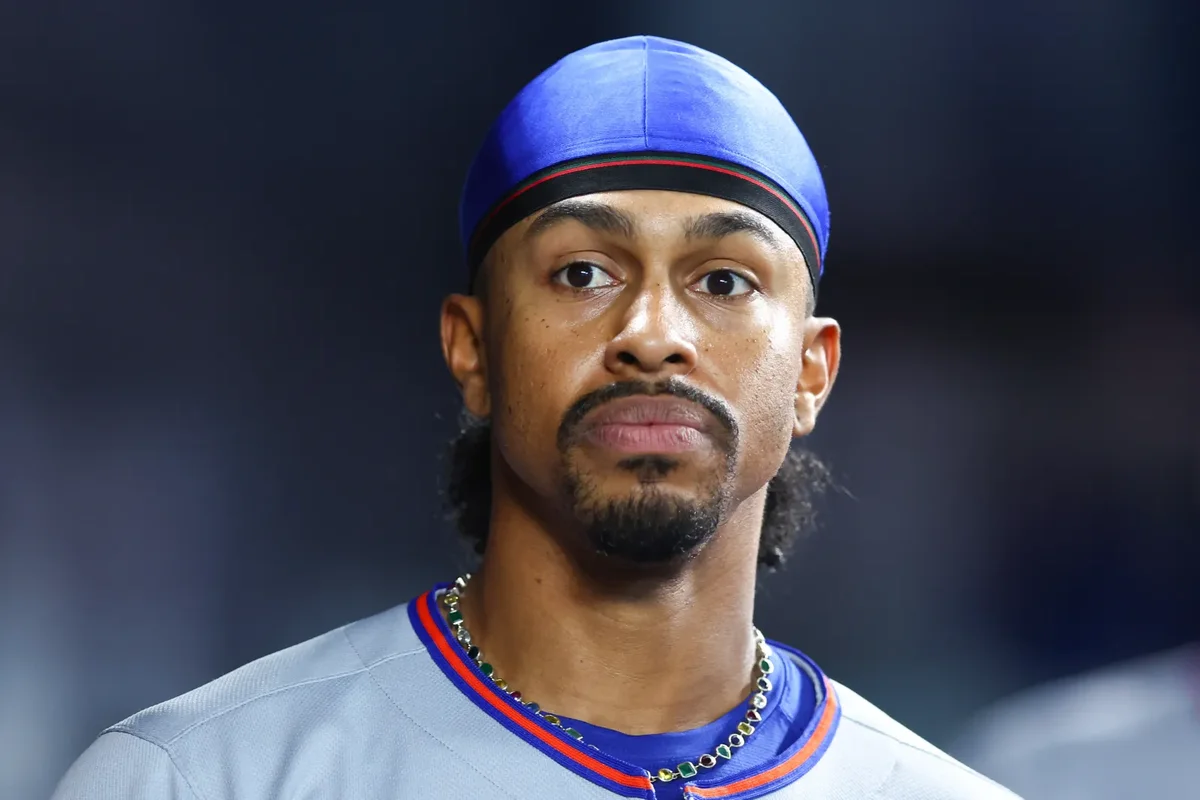
“Right now, we have to make sure we get him comfortable at third base and that’s where he’s going to be getting his work defensively.”
Carlos Mendoza, Mets Manager
Polanco’s transition is also being handled carefully, as his defensive skills at shortstop were below average. The swap complicates Semien’s role at second base since he will be missing Lindor’s familiar presence at shortstop beside him.
“The one thing we’ll miss early on is the combination of Marcus Semien as the new second baseman missing Lindor as the shortstop,”
Carlos Mendoza, Mets Manager
To mitigate the disruption, Lindor is expected to remain engaged with Semien when possible to maintain defensive communication and teamwork.
“Lindor will try to be out there for team defense as much as possible, have conversations with Marcus after games, so that way we can create that type of relationship there.”
Carlos Mendoza, Mets Manager
Hitting Concerns and Recovery Outlook
The injury also affects Lindor’s offensive contribution, particularly since his glove hand is involved in the surgery, which may delay his return to full fielding activities. Mendoza stated that Lindor will likely focus on hitting before returning to defensive drills, as handling the ball will be challenging early in the recovery.
As the Mets plan to keep Lindor as the leadoff hitter to set the stage for Juan Soto, Bichette, and possibly Polanco in the cleanup spot, there is concern that the surgery could temporarily reduce his power—a critical factor given Citi Field’s reputation for suppressing home runs, especially in cold early-season conditions.
“We feel good about the guys on our roster,”
“But we’re also optimistic [that Lindor is] going to be that same player as well…There are cases where the power has been a topic but there have also been cases where guys have that type of surgery and it doesn’t affect them at all. Everyone is different.”
Carlos Mendoza, Mets Manager
Stearns echoed the cautious optimism, describing the surgery as “generally a clean six-week recovery” and stressing hope that Lindor will be ready for opening day. However, this injury adds complexity to the Mets’ broader effort to rebuild their team quickly and effectively.
Kodai Senga Shows Signs of Return to Form
Amid the Mets’ challenges, pitcher Kodai Senga expressed confidence Wednesday about his physical condition after a difficult 2024 season plagued by injuries, including a calf injury and a Grade 1 hamstring strain midway through 2025. Senga acknowledged mechanical issues and has been working diligently to correct them while playing with Triple-A Syracuse.
“I feel really good and I feel really happy with where I’m at,”
“These past few years have been frustrating and tough mentally and at some points maybe I started to lose confidence, but in this world, you either do it or you don’t.”
Kodai Senga
He described a clear goal to return to full health and deliver a complete, healthy season moving forward.
“There’s a clear goal to be back out there and play a full season without injuries,”
“It became very clear why my performance wasn’t up to par.”
Kodai Senga
Implications for the Mets’ Upcoming Season
Francisco Lindor’s injury and subsequent surgery create an immediate gap in the Mets’ infield dynamics, calling for strategic adjustments among players transitioning to new roles. The team’s ability to adapt quickly will be critical in maintaining defensive cohesion and offensive momentum during the first part of the season.
While the optimism surrounding Lindor’s projected return is high, the effects of his absence over the first six weeks coupled with the necessary adjustments for other players like Bichette, Polanco, and Semien give a clear indication that the Mets’ pursuit of a rebuilt and competitive lineup is still vulnerable to setbacks.
Meanwhile, Kodai Senga’s rehabilitation serves as a positive counterpoint, offering hope that the pitching staff can regain stability. As spring training progresses, the Mets face the challenge of balancing recovery, adaptation, and performance to navigate a key season in their ongoing transformation.
