
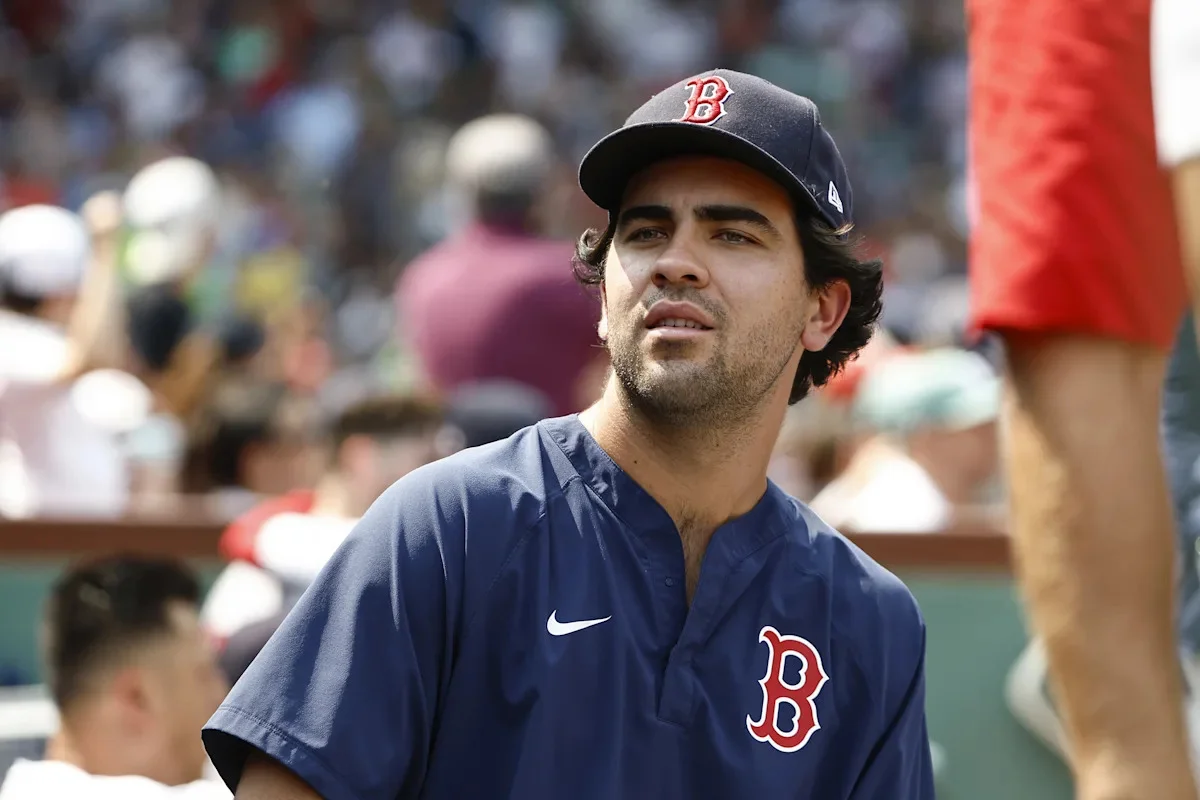
As spring training for the Boston Red Sox kicks off in Fort Myers, Florida, the competition for starting roles at second and third base is far from settled. Unlike the previous year when the team confidently anticipated Alex Bregman at third base and rookie Kristian Campbell at second, this offseason presents an unpredictable scenario. With Willson Contreras and Trevor Story confirmed at first base and shortstop respectively for Opening Day in Cincinnati, the battle for the other middle infield spots involves new addition Caleb Durbin and promising talent Marcelo Mayer, alongside Romy Gonzalez and Isiah Kiner-Falefa.
This ongoing contest highlights the team’s efforts to solidify their infield defense while managing injuries and roster depth, emphasizing the primary focus keyword, Marcelo Mayer infield battle.
Durbin Expected to Secure Regular Playing Time, Position Yet to be Finalized
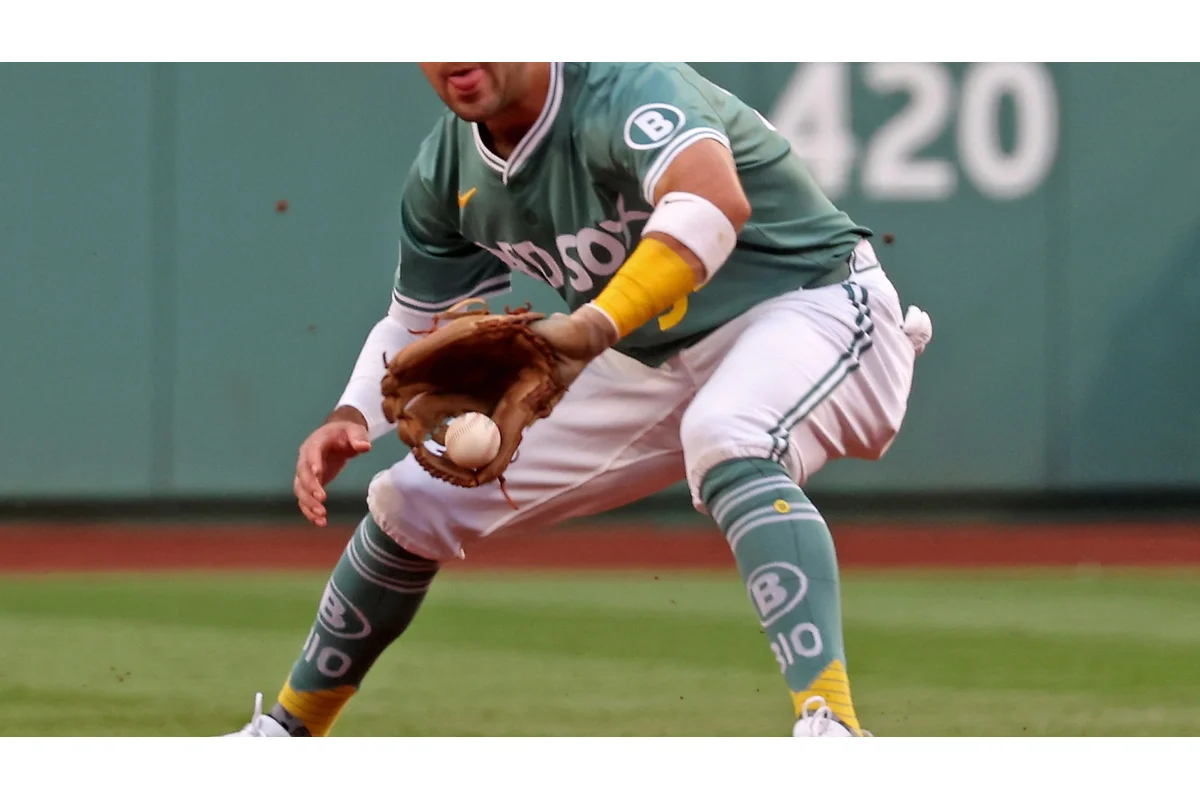
The Red Sox view Caleb Durbin as a regular contributor at either second or third base, though the exact position remains undecided. Durbin, acquired via trade, played overwhelmingly at third base last season with the Milwaukee Brewers, logging over 1,060 innings in that role, but originally developed as a second baseman in the minors, complementing his smaller frame.
Manager Alex Cora and Chief Baseball Officer Craig Breslow expressed confidence in Durbin’s capabilities across both spots, planning to evaluate his fit during spring drills. Breslow praised Durbin’s comprehensive skill set, specifically highlighting his ability to make contact, draw strikes within the zone, and handle fastballs—areas the Red Sox struggled with last season.
“I think he showed last year that he can be a very good everyday player in the big leagues,”
Breslow said Monday.
“He does a lot of things really, really well. When you think about some of the deficiencies that our team had last year in terms of putting the ball in play, not expanding the strike zone and catching up to fastballs, those are all things that he excels at and we think he’s a really good defender as well.”
Marcelo Mayer’s Versatility Offers Defensive Edge but Requires Consistency
Mayer, originally a natural shortstop now blocked at that position by Trevor Story, showed defensive promise last season while filling in at third and second base. The Red Sox consider him an elite defender with the potential to excel at both spots. During the previous campaign, he logged significant innings at third base while Bregman was sidelined and provided solid coverage at second base in limited appearances.
Manager Cora praised Mayer’s intelligence, defensive smoothness, and range, calling attention to his ability to make routine plays across multiple infield positions. There is, however, a cautious approach towards Mayer due to his inconsistent offensive output and injury history; a wrist injury ended his prior season prematurely.
“He was the third baseman, playing well,”
Cora said Tuesday. “For how good Alex is at third base, it seems like we didn’t miss a beat. He played well. When he was at second base, he made all the plays.”
“He’s a smart individual, a smart player. Smooth. He makes every play. He can play second, short, third. Defensively, he’s really good.”
The team plans to limit Mayer’s defensive workload in camp to second and third base, likely excluding shortstop duties to avoid overexposure. The hope among officials is that Mayer will assume the position offering the best defensive impact, potentially third base, but final decisions will depend on early camp performance.
Potential for Platoon and Matchup Strategies in Middle Infield
Platooning appears to be a viable strategy for the Red Sox, especially given Mayer’s relative struggles against left-handed pitching last year, where he hit poorly in limited plate appearances. Romy Gonzalez, known for his ability to hit left-handed pitching effectively and with experience at both second and third base, could become the preferred starter against southpaws once fully healthy from a lingering shoulder injury.
Manager Cora also indicated a willingness to mix players like Gonzalez into outfield roles and include right-handed hitters such as Nate Eaton at third base when necessary, showcasing the team’s flexible lineup options.
“We’ve been platooning in 2018, so I’m not going to say we’re not going to,”
Cora admitted.
“There are certain guys I want to get at-bats, especially in the outfield. We’ll see how that plays out. In the infield, you’ve got to protect who you’ve got to protect.”
Focus on Infield Stability Reflects Desire for Defensive Improvement
The Red Sox have struggled to find consistency at second base for several seasons, rotating through multiple players most recently. Manager Cora emphasized the importance of having a reliable double-play combination with shortstop Trevor Story, underlining that consistent partnerships up the middle often distinguish winning teams from others.
Cora admitted that while versatility is valuable, establishing consistent starters at second and shortstop is key to strengthening team defense. This point suggests the team may favor Durbin at second base if Mayer requires a platoon partner and if Mayer continues to be viewed primarily as a third baseman.
“I think consistency is very important,”
Cora said. “I know the value of being versatile but having the second baseman and shortstop play as many games together as possible is very important. You see it on winning teams. Last year, our shortstop did an outstanding job playing a lot. At second, obviously, with the ups and downs, it was a revolving door.”
Extensive Infield Depth Provides Multiple Backup Options
Beyond the primary infield candidates, the Red Sox possess substantial depth. Isiah Kiner-Falefa stands out as a veteran utility player able to cover third base, shortstop, second base, and even some outfield roles. Cora expressed confidence in Kiner-Falefa’s defensive capabilities, noting his importance in maintaining a flexible roster edge.
“He’s really good at second, really good at short and really good at third base defensively,”
Cora said.
“That’s something we’ve been trying to accomplish… The edges of the roster, that’s what we’re doing now. That’s what winning teams do.”
Other depth contributors include Andruw Monasterio, Anthony Seigler, Tsung-Che Cheng, Nick Sogard, and Nate Eaton, most of whom are expected to spend significant time at the Triple-A Worcester affiliate. Additionally, former Gold Glove winner Brendan Rodgers has joined on a minor league deal, further bolstering the pool of potential call-ups.
Kris Campbell Likely Focused on Outfield Role This Season
Despite previous consideration for second base, rookie Kristian Campbell will primarily concentrate on outfield play this spring. Manager Cora clarified that while Campbell will continue some infield work to stay prepared, his group drills and game appearances will be outfield-centric, with left field expected to be his main position. Campbell would only see infield action under extraordinary circumstances.
Implications of the Mayer and Durbin Competition for the Red Sox
The forthcoming infield battle between Marcelo Mayer and Caleb Durbin represents a pivotal storyline for the Red Sox as they enter the 2026 season. Establishing a dependable and effective double-play duo alongside shortstop Trevor Story is expected to have a tangible impact on the team’s defensive efficiency and overall competitiveness.
With the Red Sox eager to curb previous inconsistency issues at second base and to maximize their offensive potential without sacrificing defense, the choice between Durbin and Mayer could influence lineup construction, platooning strategies, and infield versatility throughout the season.
Coach Alex Cora and the front office’s cautious approach towards Mayer’s health and offensive adjustments, combined with Durbin’s demonstrated major-league readiness and adaptability, make the battle highly competitive and uncertain.
As spring training progresses, fans and analysts alike will closely monitor how Mayer and Durbin perform in live action and how the Red Sox manage their roster to balance versatility, health, and defensive demand.
