

Shortly after pitchers and catchers convened for spring training, the Chicago Cubs announced a multi-year contract with right-handed pitcher Shelby Miller, marking his second tenure with the organization. Miller’s previous stint in 2021 was brief, totaling just two innings, but the Cubs are banking on a revitalized version of the pitcher when he takes the mound at Wrigley Field once again. This signing reflects their hope for a Shelby Miller Cubs comeback fueled by significant adjustments he has made since last appearing in a major league game.
The Journey of Reinvention After a Difficult 2022
Before returning to the Cubs, Miller endured a tumultuous stretch that culminated in a challenging 2022 season. Selected in the first round of the draft, he spent years grappling with injuries and inconsistent performance that eventually pushed him out of regular MLB rotations. Facing a future mired in Triple-A or bullpen depth roles, Miller opted for a transformation in both his pitching arsenal and arm angle, aiming to extend his career and improve his effectiveness.
Changes to Miller’s Pitching Style and Velocity
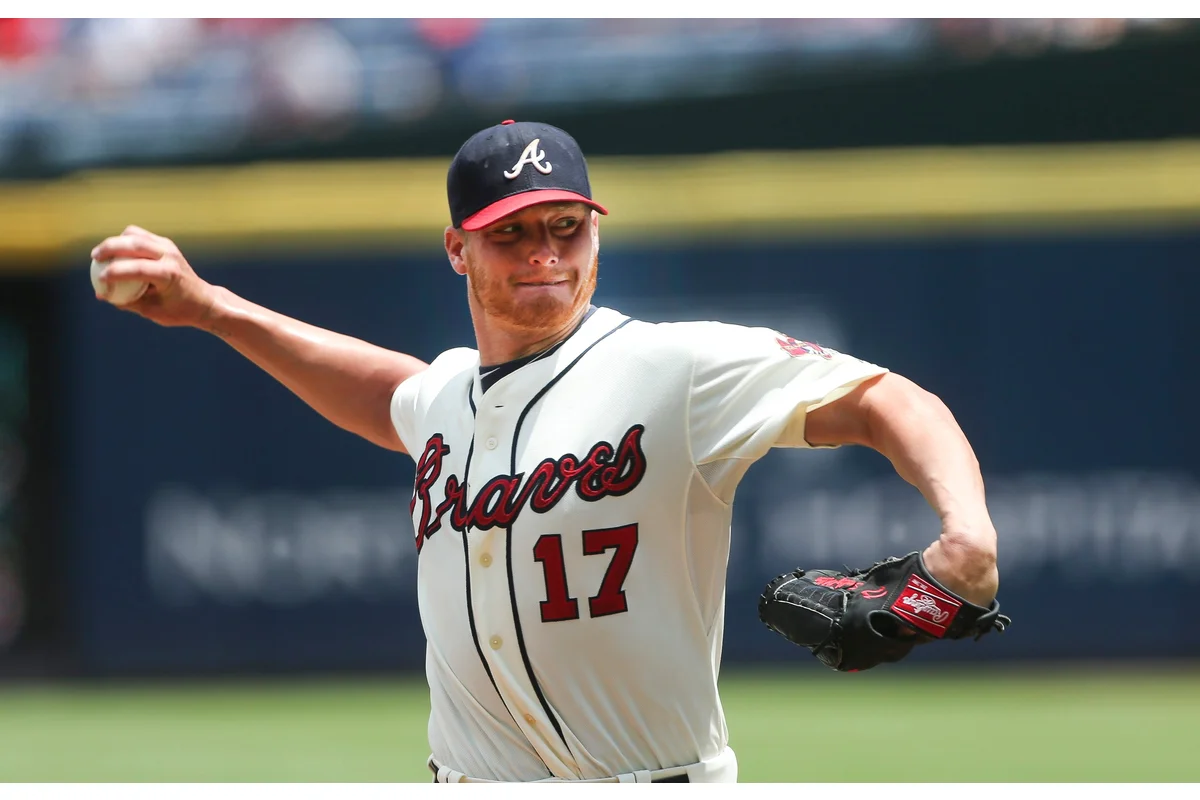
During his brief 2021 time with Chicago, Miller primarily used an overhand delivery featuring a fastball-sweeper mix supplemented by cutters. His fastball velocity hovered just below 94 mph, and he struggled with a strikeout rate below 13%, contributing to an ERA above nine. Fast forward to the 2023 season, and Miller presents a markedly different profile. His arm slot dropped more than six degrees, allowing his fastball velocity to rise above 95 mph. This lower arm angle adds arm-side run to his pitches, complicating hitters’ timing and contact.
Introducing a Devastating Split-Finger Pitch
One of the most notable additions to Miller’s repertoire is a split-finger pitch that baffled hitters throughout 2023, registering a batting average against of just .135. This pitch works alongside his fastball, which sits higher in the strike zone, creating a vertical contrast as the split-finger drops sharply. The combination exploits seam-shifted wake effects that deceive batters with subtle spin changes, making it tougher for them to anticipate pitch movement. As a result, Miller’s strikeout rate climbed to 29%, a substantial improvement over previous years.
Effectiveness Against Left-Handed Batters
The split-finger pitch has proven particularly valuable when facing opposite-handed hitters. Miller, now 35, limited left-handed batters to a .233 weighted on-base average (wOBA) and just a .139 batting average last year. Historically, Miller had difficulty containing left-handed hitters, so this new pitch has helped establish him as a situationally effective reliever. Many observers compare his current role and skill set to that of former Cub Mark Leiter Jr., who was known for his ability to shut down left-handers.
Understanding the Risks and Long-Term Outlook
Although the Cubs have added Miller to their roster with optimism, this move comes with risks.
How did the Cubs find such a useful reliever this late into the offseason?
The answer lies in Miller’s impending Tommy John surgery, which will sideline him for most, if not all, of the upcoming season. This multi-year contract is less about immediate impact in 2026 and more about potential returns in 2027 and beyond. The Cubs plan to track his rehabilitation closely and reintegrate him when he is ready, hoping to gain a valuable bullpen asset once he recovers fully.
A Calculated Gamble with Promising Potential
While Shelby Miller’s return may not shift expectations for the Cubs’ next season immediately, it represents a forward-looking decision with upside. Advances in recovery from Tommy John surgery offer hope that Miller can regain his improved form. If successful, the Cubs will benefit from a revitalized pitcher who has found a better, more deceptive style, strengthening their bullpen depth for the years ahead.
