
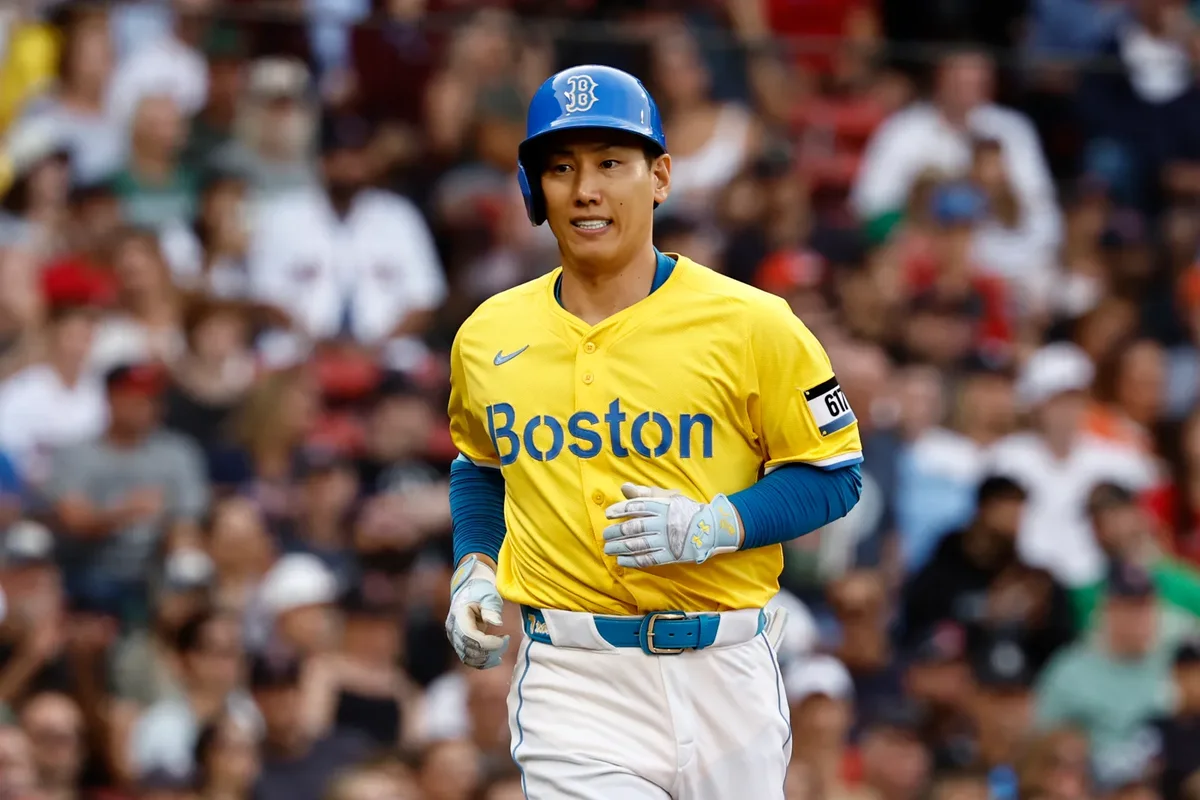
Masataka Yoshida’s time with the Boston Red Sox has been marked by uncertainty, as injuries and shifting roles have complicated his fit with the team since he joined Major League Baseball. Throughout the 2023 season, Yoshida primarily served as an outfielder before transitioning into a designated hitter role, with frequent injury absences hindering his consistent presence. This uneven usage, combined with persistent Masataka Yoshida trade rumors, has placed considerable pressure on the veteran player, who recently shared his perspective during Red Sox spring training in Fort Myers.
Yoshida noted the cultural difference in how trades are handled between MLB and Nippon Professional Baseball (NPB), where he began his career. He said through an interpreter,
“That’s something I didn’t really experience back in Japan. Trades don’t really happen as often as here. It’s something new, but to trade somebody, both parties have to agree, right? It’s gonna be tough. It’s part of the business but I just want to say it’s something that has been new to me after I got here,”
(Masataka Yoshida, veteran outfielder).
Examining the Red Sox’s Roster Challenges Affecting Yoshida’s Playing Time
The Red Sox face a crowded outfield group as they prepare for the 2026 season, complicating Yoshida’s opportunities to contribute regularly. Alongside him, players like Jarren Duran, Willson Contreras, and rising prospect Triston Casas will compete for time in the designated hitter role, while Kristian Campbell’s potential roster spot could further increase competition for playing time in the outfield or DH position. This surplus of talent makes it difficult for Boston to deploy Yoshida in a role that maximizes his strengths.
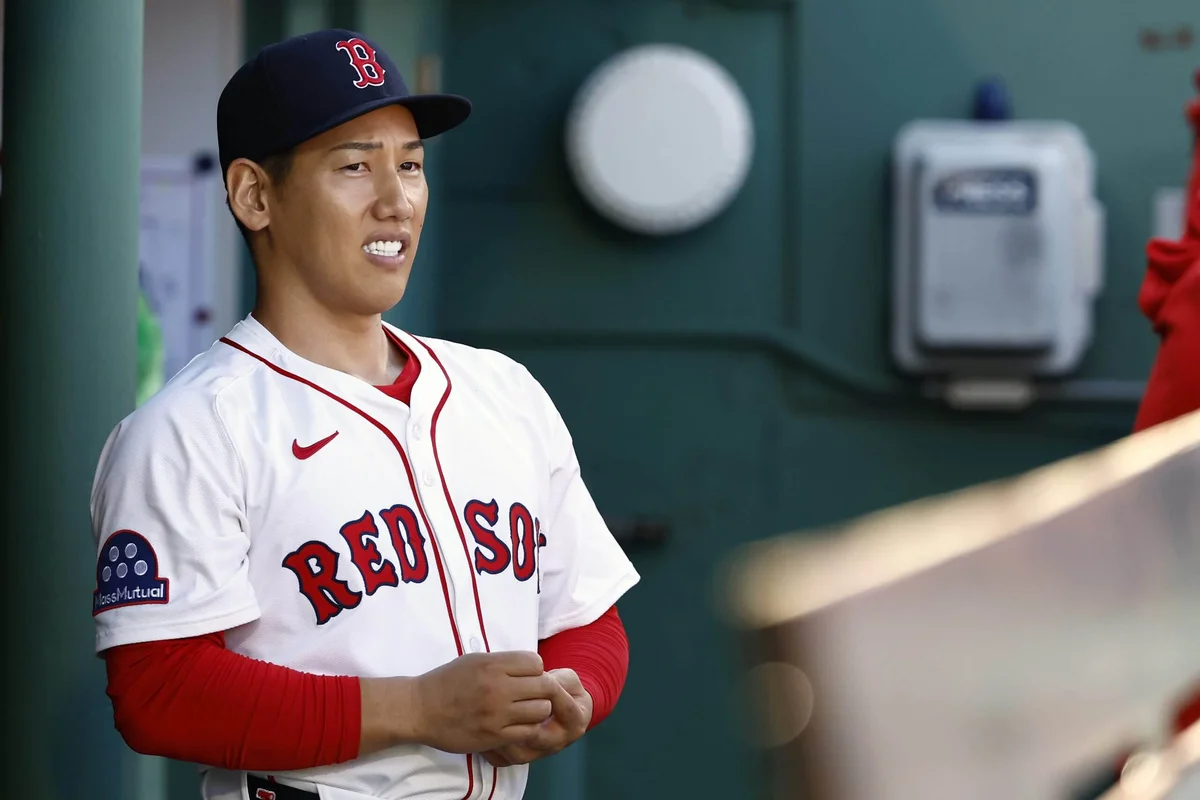
Given the depth of strong defenders on the roster, the Red Sox have limited options to utilize Yoshida effectively in the outfield, and their strategy favors keeping the DH spot open for matchup-based decisions. This approach leads to inconsistent playing time for Yoshida, whose skill set might be better served elsewhere. Reports from Chris Cotillo indicate there was some trade interest during the winter, although Yoshida’s injury history, including recent labrum surgery, could decrease the return the Red Sox might gain.
Why Trading Yoshida Could Benefit Both Player and Team
If the Red Sox cannot fully utilize Yoshida’s talents, trading him could be the most practical solution for both parties. Yoshida has shown commitment by accepting varied roles and enduring multiple rehabs between Boston and Fort Myers, maintaining professionalism despite the challenges. However, he deserves consistent playing time in an environment that values his contributions, which Boston’s roster limits prevent.
The team’s prior handling of salary relief moves, such as the trade of Jordan Hicks to the Chicago White Sox, provides a precedent for navigating similar transactions. Allowing Yoshida a fresh start with a team in need of his offensive abilities might be the best path forward while freeing a roster spot for Boston to maintain flexibility, especially with the DH position.
The Emotional Impact on Fans and Future Outlook for Yoshida’s Role
Yoshida has developed a dedicated following among Red Sox supporters, who appreciate his clutch performances and believe his peak potential remains untapped. However, the current roster composition restricts his ability to showcase his full offensive skill set, leaving his future with Boston uncertain. With the team likely to prioritize flexibility and roster efficiency, the time has come for a critical decision regarding Yoshida’s place in the organization.
Ultimately, the Red Sox must decide whether to continue juggling Yoshida’s role amid trade speculation or move decisively to trade him, potentially benefiting both Yoshida’s career and the team’s roster management. What happens next could shape the trajectory of the Red Sox’s lineup and Yoshida’s MLB future.
