
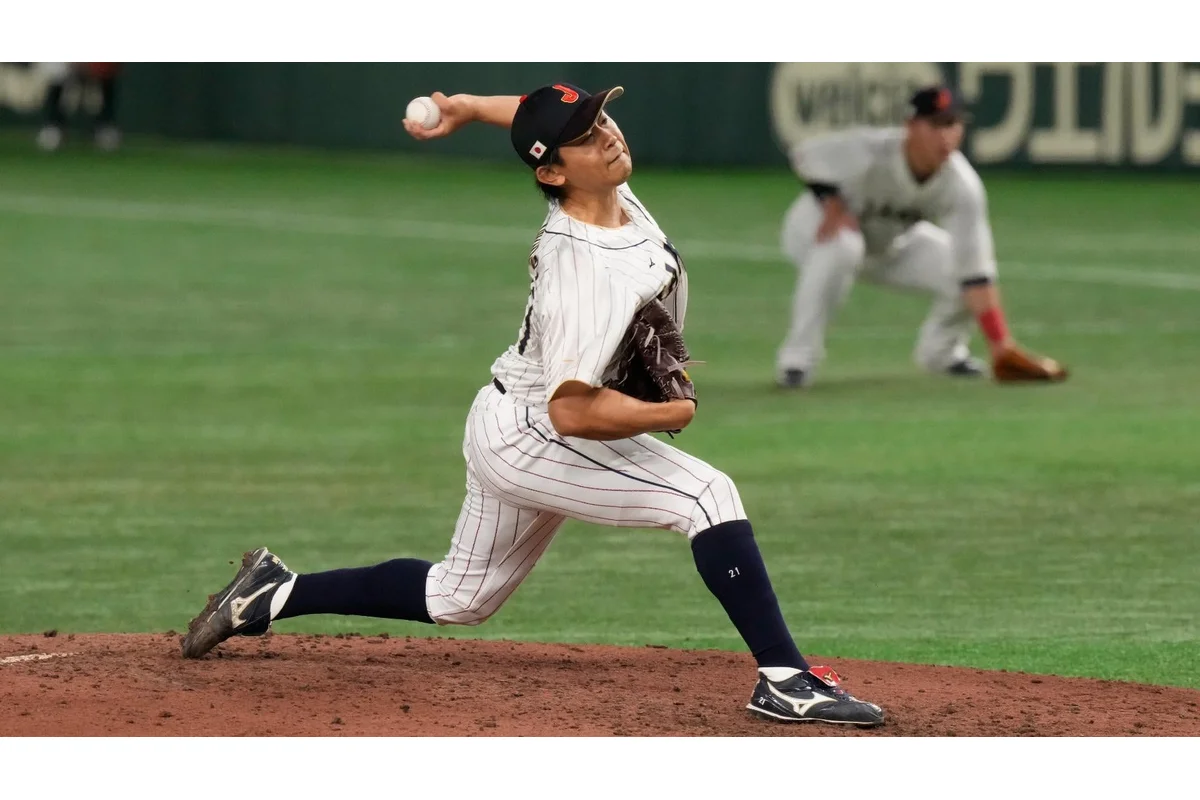
Before the Chicago Cubs finalized trades for Edward Cabrera and signed Alex Bregman, there was widespread concern about Shota Imanaga’s future after he accepted the team’s qualifying offer early in the offseason. Imanaga lost much of his influence on the Cubs’ pitching staff during the last month of the regular season and the playoffs, becoming a minimal factor when the stakes were highest.
In a pivotal Game 5 of the NLDS against the Milwaukee Brewers, the Cubs opted not to use Imanaga, signaling a possible separation between the team and pitcher once the offseason began. Despite this, when free-agent demand proved tepid, Imanaga chose to take the $22.025 million qualifying offer extended by the Cubs.
Evaluating Imanaga’s Value Amid Midseason Struggles
Many have criticized the Cubs for what they see as overpaying Imanaga, pointing to his struggles during the second half of last season and his high salary through 2026. However, the reality is more nuanced. While his late-season performance faltered, Imanaga demonstrated solid effectiveness earlier in the year, showing signs that his decline may have been linked to injury rather than an overall loss of skill.
During the first half of the 2025 season, Imanaga maintained an impressive 2.65 ERA across 68 innings, holding opposing hitters to a batting average below .200. This strong start suggests his late-season slump coincided with a hamstring strain that sidelined him for about a month, potentially disrupting his mechanics and overall performance.
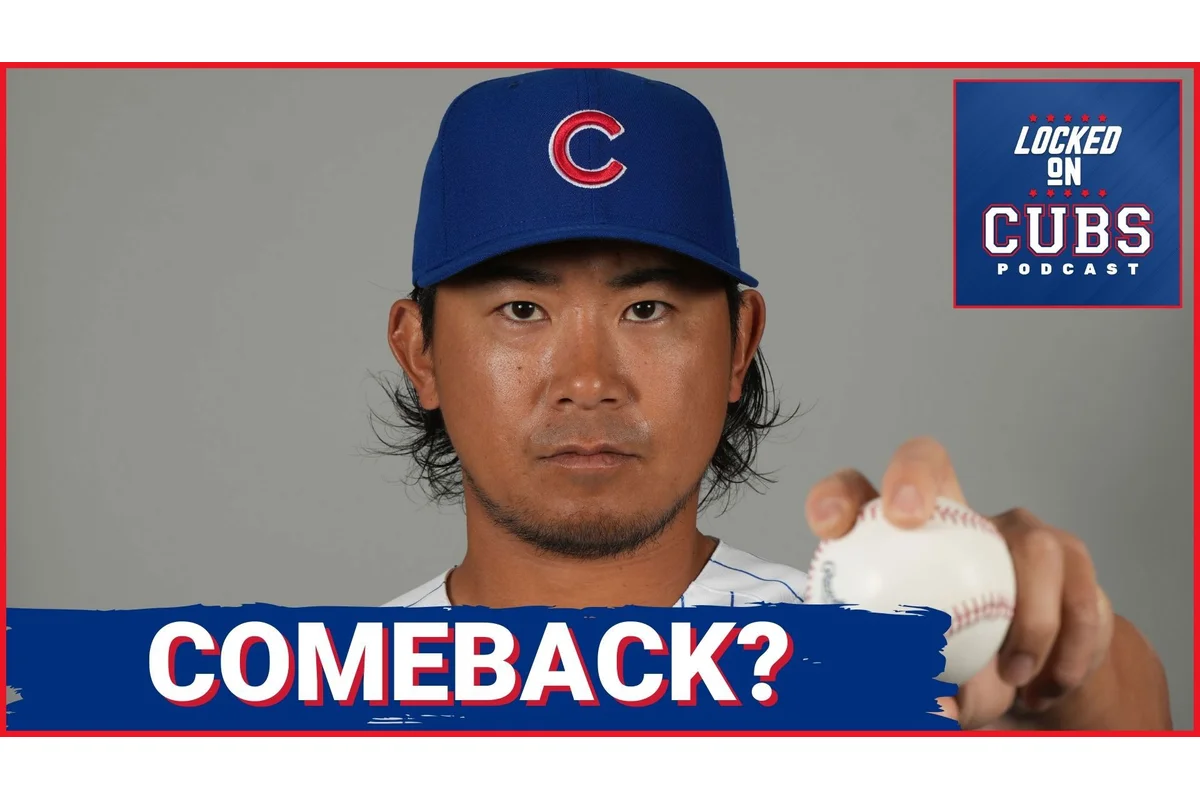
How Health Recovery Could Revitalize Imanaga’s Performance
The timing of his injury aligns closely with the downturn in results, which Imanaga’s camp confirmed was a key factor after the season concluded. Now, entering a fully healthy offseason with a regular training regimen, the Cubs management echoes these views about his potential bounce-back.
“Counsell told us today in Mesa that Shota Imanaga’s throwing his fastball harder, is mostly a product of his hamstring being healthy. Counsell believes the injury created some bad mechanical issues while the pitcher compensated for the injury.” — Bruce Levine, Baseball Analyst
Craig Counsell emphasized from Mesa that the improvement in Imanaga’s fastball velocity is largely due to his hamstring healing fully, allowing him to regain proper mechanics that were compromised while compensating for the injury.
Imanaga’s Renewal Could Significantly Impact Cubs’ Rotation
Had Imanaga’s return been the Cubs’ most significant offseason move, critics may have been justified in their doubts. However, with nearly $30 million invested in bolstering the bullpen, along with Cabrera’s acquisition and Bregman’s presence in the lineup, Imanaga’s contract no longer stands out as an overwhelming liability for the team’s payroll.
Instead of viewing Imanaga’s playoff struggles as a permanent regression, it is plausible that a healthy, well-prepared 32-year-old could reclaim the dominant role he held during his initial seasons with the Cubs. If he returns to form, the deal that once seemed questionable may prove to be one of the best bargains of the offseason.
Ultimately, Shota Imanaga’s Cubs recovery hinges on his physical health and offseason preparations, factors that now offer hope for renewed success and strengthen the team’s starting pitching depth heading into the new season.
Counsell told us today in Mesa that Shota Imanaga’s throwing his fastball harder, is mostly a product of his hamstring being healthy. Counsell believes the injury created some bad mechanical issues while the pitcher compensated for the injury.
— Bruce Levine (@MLBBruceLevine) February 19, 2026
