
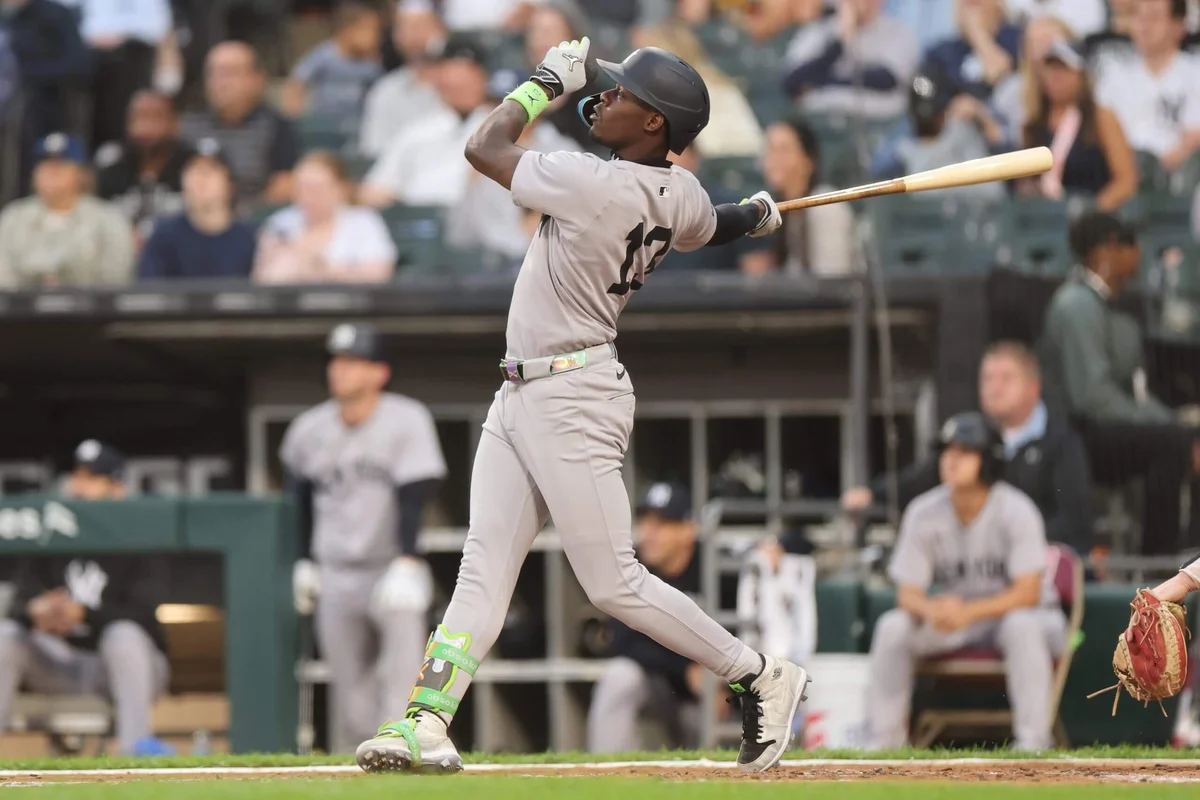
After joining an exclusive group of New York Yankees players by achieving a 30-30 season, Jazz Chisholm Jr. has become a focal point of offseason trade rumors. As he enters the final year of team control, his market value is at a peak, complicating the Yankees’ options for a long-term commitment ahead of the 2026 free agency deadline. Deciding whether to extend Chisholm now or wait until next season presents a significant challenge for the organization.
Analysts initially predicted the Yankees might trade Chisholm Jr. to avoid losing him without compensation. However, securing fair returns is difficult since only a handful of MLB teams can comfortably afford a sizable long-term contract for a player of his caliber and position.
While ideally this negotiation would have occurred before Chisholm’s continued improvement in 2025, the current landscape requires the Yankees to carefully consider the financial implications of his upcoming contract demands.
Assessing the Financial Commitment Needed to Retain Chisholm
Sports analyst Mike Axisa of CBS Sports has compared Jazz Chisholm Jr.’s potential contract to that of Willy Adames’ deal with the San Francisco Giants: a seven-year, $182 million agreement. Though this comparison has merit, some distinctions exist that could influence the Yankees’ willingness to match such an offer.
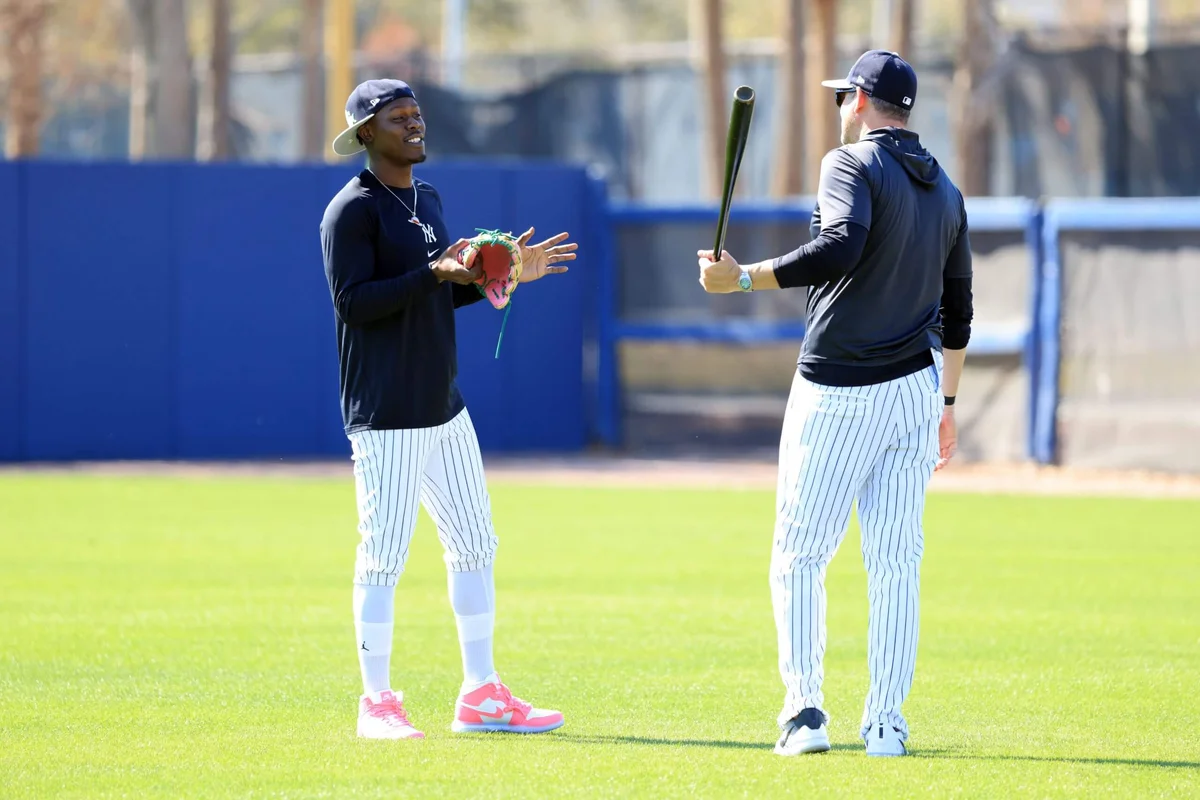
Adames plays shortstop, a more premium defensive position, and has established himself as a reliable infielder. Chisholm Jr. has showcased versatility by moving between second base, third base, and even center field, demonstrating solid defense but not at the same premium level as shortstop. Nonetheless, both players share similar offensive profiles.
Adames has a career weighted runs created plus (wRC+) of 109, while Chisholm Jr. holds a comparable 110 mark over his career. Notably, Chisholm’s performance has surged at Yankee Stadium, where his recent wRC+ is 126—surpassing anything Adames has produced in a full season. Additionally, Chisholm is a significantly stronger base-stealing threat, with 71 stolen bases over the last two years, outpacing Adames’ 63 stolen bases across eight seasons.
Given the relatively sparse free-agent pool on offense next year, led mainly by pitchers like Tarik Skubal, Chisholm Jr. stands out as one of the top offensive talents available, especially if Bo Bichette opts back into free agency.
Health Concerns and Contract Negotiation Complexities
One critical difference lies in health and durability. Willy Adames entered his contract talks after a mostly injury-free season, appearing in 161 games. Conversely, Chisholm Jr.’s career-high in games played is 147, with just three seasons exceeding 100 games. This raises concerns about his ability to sustain top performance over a longer contract.
The 28-year-old infielder has expressed a desire to stay with the Yankees, but as the recent contract stalemate with Cody Bellinger demonstrated, such preferences can be overshadowed by the financial realities facing the team. Whether the Yankees are willing to commit to a seven-year, $180+ million deal remains unclear, especially after moving away from their prior free-spending habits.
With multiple teams in need of a second baseman and no comparable star distracting the market like Kyle Tucker did during the Bellinger negotiations, Chisholm’s price could escalate significantly, leaving the Yankees at risk of losing him without return if the two sides fail to agree.
The Stakes Behind the Yankees’ Decision
The Yankees’ dilemma is not just about numbers but about balancing loyalty, long-term team competitiveness, and financial responsibility. Signing Chisholm Jr. to a mega-deal would secure a young, dynamic player who has shown the ability to produce both offensively and defensively at a high level. However, it would also require a substantial investment that may conflict with the team’s current budget philosophy.
Failing to lock up Chisholm sooner could mean risking his departure to another club in 2026 without compensation, a scenario that the Yankees want to avoid. Yet overcommitting could tie up resources that limit flexibility for other roster needs. This contract saga will be a key storyline through the upcoming offseason for New York baseball.
