
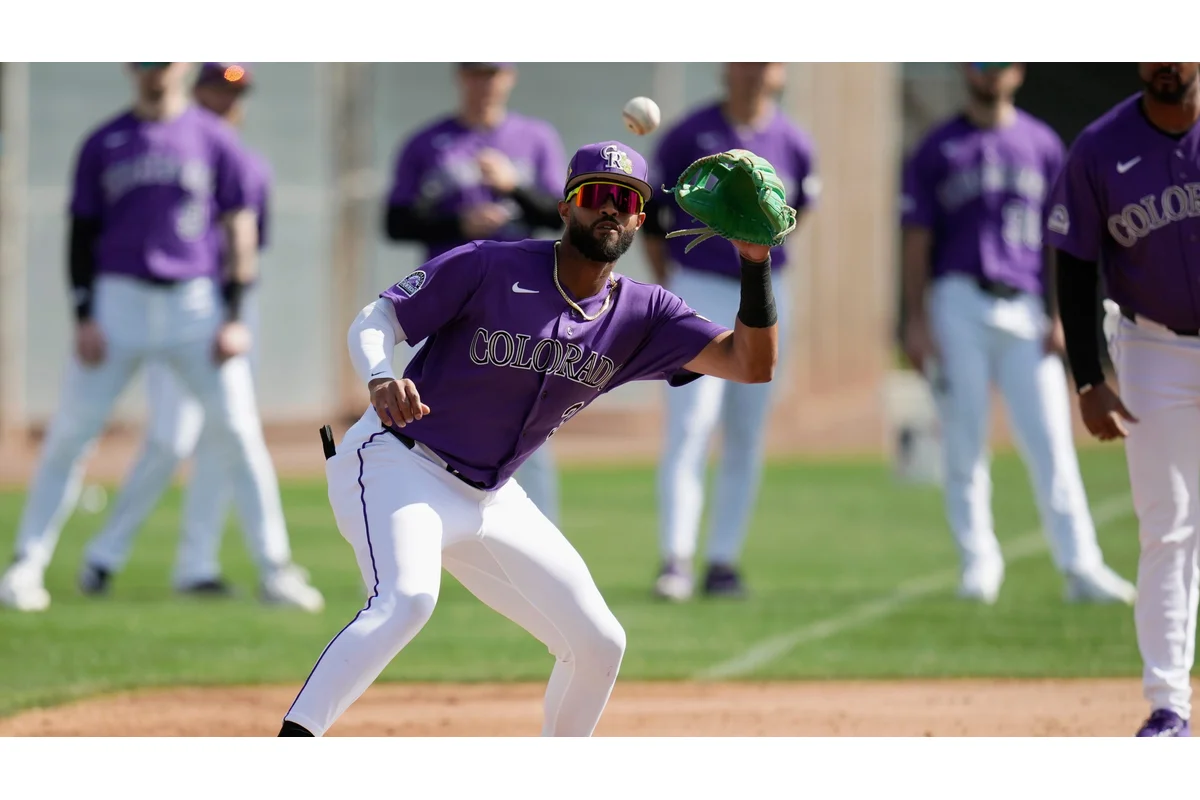
This offseason, the Colorado Rockies made significant changes to their front office, signaling a push for a better future. Among the key priorities is improving the Colorado Rockies bullpen priorities, as the team seeks to build a pitching staff that can succeed despite the challenges posed by Coors Field, their home stadium known for its high altitude and hitter-friendly conditions.
Paul DePodesta, the new president of baseball operations, is leading this effort with a clear awareness of what it takes to pitch effectively in Colorado. Elevating the quality of their pitching is essential if the franchise wants to enhance its competitiveness in the 2026 season and beyond.
Minimizing Home Runs: A Central Goal for Colorado’s Pitching Staff
At Coors Field, limiting home runs is crucial since the altitude causes the ball to carry farther, often resulting in high-scoring games. The Rockies allowed a staggering 251 home runs last year, the highest mark in Major League Baseball by a wide margin. Reducing this number will be critical for the Rockies to improve their pitching effectiveness.
One effective strategy to combat home runs is to induce weaker contact from hitters. Pitchers capable of forcing batters to hit the ball less hard are vital in this approach, as shown by individuals like Juan Mejia. Mejia ranked in the 99th percentile last season for average exit velocity against him, limiting opponents to just six home runs over 55 appearances.
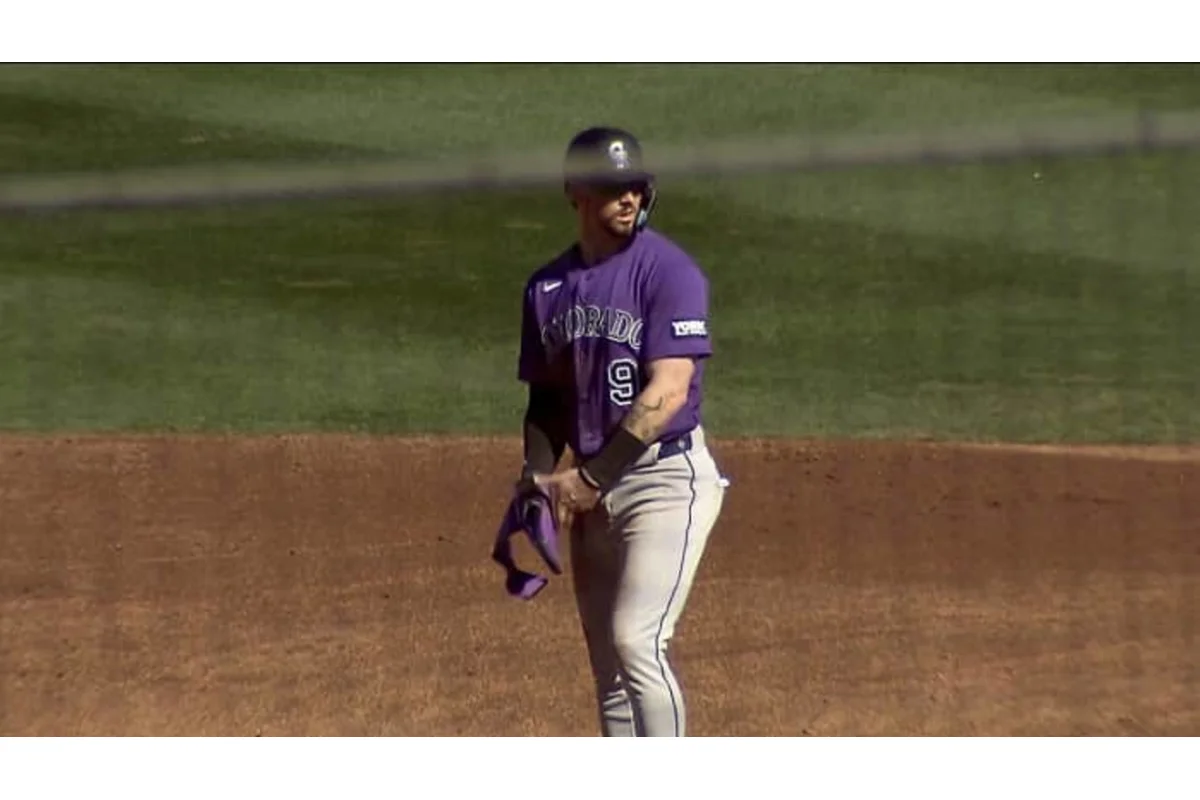
Similarly, Jimmy Herget allowed only six home runs last year and maintained an average exit velocity against of 88.7 miles per hour. Brennan Bernardino, a recent addition to the bullpen, fits this profile as well, ranking in the 87th percentile in average exit velocity allowed. Together, these pitchers aim to prevent hitters from making solid contact, thereby reducing long ball damage.
Different Approaches within Colorado’s Bullpen
Not all pitchers rely on inducing weak contact; some use varying tactics to keep hitters off balance. For example, Keegan Thompson seldom uses his fastball, throwing it only 38% of the time. This approach helped him allow just three home runs in 24 games last year with the Chicago Cubs and two the previous year in fewer appearances. His ability to disrupt hitters’ timing plays a role in limiting home runs.
On the other hand, power pitchers like Victor Vodnik and Seth Halvorsen achieve success by consistently throwing fastballs at velocities well above the Major League average. Vodnik finished the 2025 season in the 97th percentile for fastball speed, while Halvorsen topped the charts at 100th percentile. Both used their velocity to keep the ball in the park, despite the hitter-friendly conditions.
Rising Talent and Roster Considerations for the Upcoming Season
Coming through the Rule-5 draft and expected to make the 26-man roster is RJ Petit, a pitcher whose future impact is still uncertain. Last season across two minor league levels, Petit allowed just four home runs in 47 appearances. Scouts have praised his pitch arsenal, which includes three above-average pitches, making him a promising fit for Coors Field’s unique environment.
The combination of emerging talent and proven arms suggests the Rockies are intentionally assembling a bullpen tailored to managing home run rates, which could prove vital for their success. Their roster construction shows a clear priority on controlling damage in a difficult pitching environment.
The Path Forward: Why Pitching Adjustments Matter for Colorado’s Future
Improving the bullpen remains an urgent, complex challenge for the Rockies. While the altitude at Coors Field presents inherent difficulties, assembling a staff that keeps the ball in the yard could shift the team’s trajectory. With leaders like Paul DePodesta directing this focus, and pitchers such as Juan Mejia, Jimmy Herget, and RJ Petit contributing specialized skills, the Rockies appear to be laying the foundation for better seasons ahead.
How effectively Colorado can implement these strategies to reduce home runs and strengthen pitching will likely determine the team’s competitiveness next year. Fans and analysts will be watching closely as the Rockies attempt to turn these bullpen priorities into measurable success on the field.
