
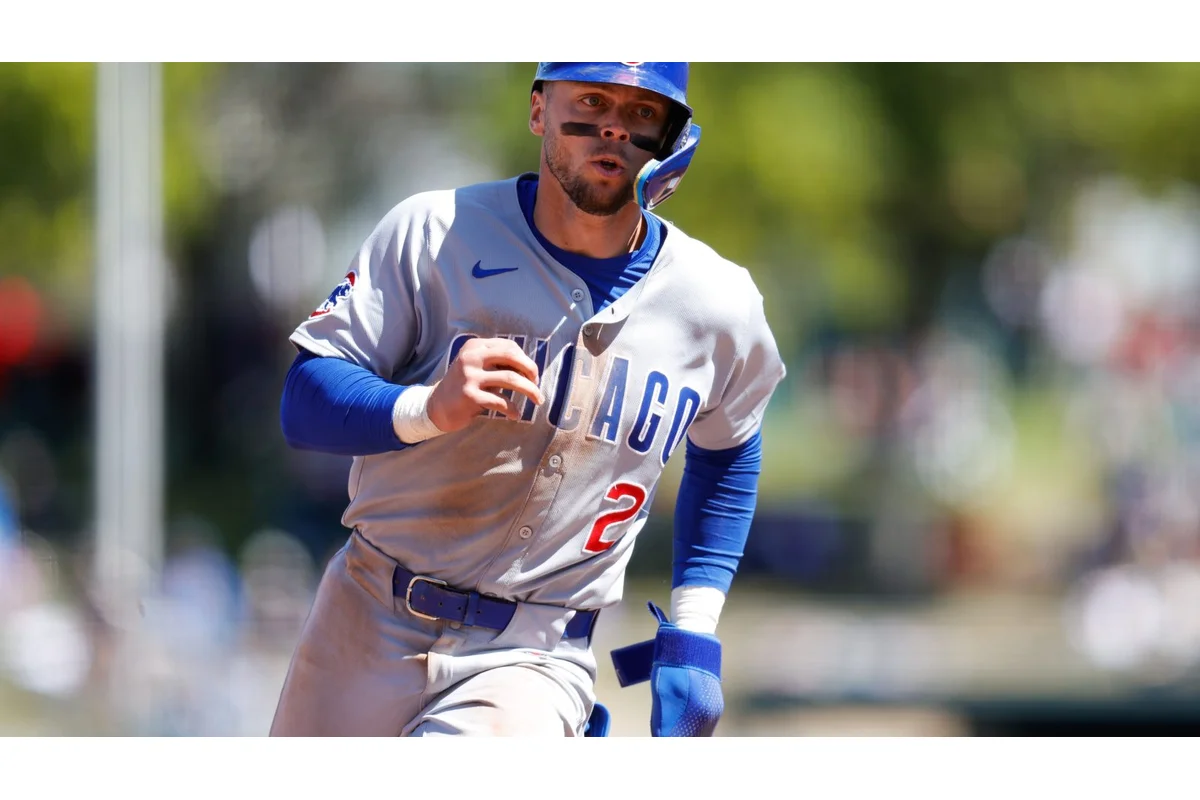
Chicago Cubs second baseman Nico Hoerner is entering the final season before he becomes a free agent, raising questions about his long-term future with the team. Given the Cubs’ historically cautious spending habits and evolving roster strategies, the rising market for elite second basemen could complicate efforts to keep Hoerner beyond 2026.
Chicago’s recent commitment to Alex Bregman, secured with a five-year, $175 million contract, has fueled speculation that Hoerner may not remain with the Cubs in the long run. Additionally, the presence of versatile prospect Matt Shaw, who can also cover second base, adds uncertainty about Hoerner’s role moving forward.
Market Pressures Likely to Price Hoerner Out of Chicago
The bidding environment for top second basemen is heating up, illustrated by New York Yankees star Jazz Chisholm’s recent declaration that he seeks an eight-to-ten year contract averaging $35 million per year. This potential $350 million deal sets a high bar for comparable players.
Chisholm’s 2025 performance included 31 home runs, an .813 OPS, and 31 stolen bases, showcasing his offensive and base-running value. While some analysts estimate Chisholm’s eventual contract could land closer to $200 million, his aggressive asking price could influence market rates across the league.
By comparison, Hoerner delivered 4.3 WAR last season, the most among second basemen, and posted a .297/.345/.394 line with seven homers and 61 RBI. Although Hoerner does not match Chisholm’s power numbers, he excels as a contact hitter and is widely regarded for his defensive excellence as a two-time Gold Glove recipient.
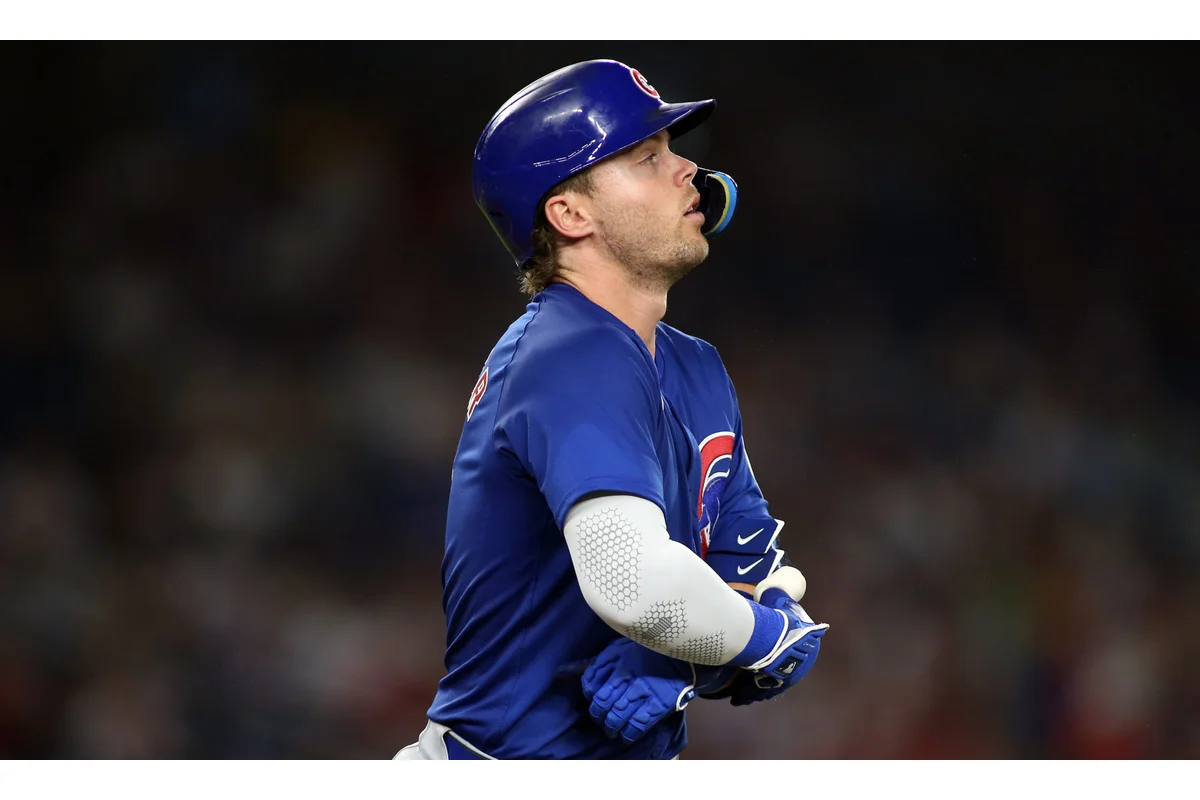
With Chisholm pushing the market higher, the Cubs face a difficult financial decision. Even before this shift, re-signing Hoerner was expected to be a challenge for Chicago due to budget constraints and roster moves aimed at contention over the next few years.
Trade Speculation Surrounds Hoerner Amid Contention Goals
Throughout the offseason, Hoerner’s name has appeared in trade rumors, though the logic of trading a key contributor during a push for a World Series title remains questionable. Chicago’s front office appears focused on building a competitive roster, and trading away a high-performing young infielder could disrupt that plan.
Nonetheless, the looming free agency context and increasing contract expectations complicate Hoerner’s status. The Cubs will have to weigh financial flexibility against maintaining defensive stability at second base, particularly with Matt Shaw’s ability to fill that spot if needed.
Other Cubs Players and Organizational Moves Shape Team’s Future
Meanwhile, the Cubs are monitoring other roster developments. Pitcher Justin Steele recently provided positive updates on his injury recovery, easing concerns about the team’s pitching depth heading into the new season. The club’s general manager has also communicated “high expectations” for prospect Moises Ballesteros, signaling a continued emphasis on developing young talent.
With key players like Hoerner approaching contract milestones and emerging prospects available, the Cubs are balancing short-term aspirations with long-term roster construction. How these decisions unfold will significantly influence the franchise’s competitiveness in the coming years.
Financial Decisions Now Will Impact Chicago’s Competitiveness
The escalating salary demands for top-tier second basemen such as Jazz Chisholm have placed significant pressure on the Cubs’ ability to retain Nico Hoerner, who has been a cornerstone defensively and offensively. If the Cubs are unwilling or unable to meet the rising market rates, Hoerner’s tenure in Chicago may end after 2026.
Securing Hoerner would provide stability and defensive leadership essential for the Cubs’ aim at postseason success, but that must be balanced against broader financial strategy and the need to build a well-rounded roster. The next several months will be crucial in determining one of the franchise’s key players’ futures and how Chicago positions itself in an increasingly competitive Central Division.
