
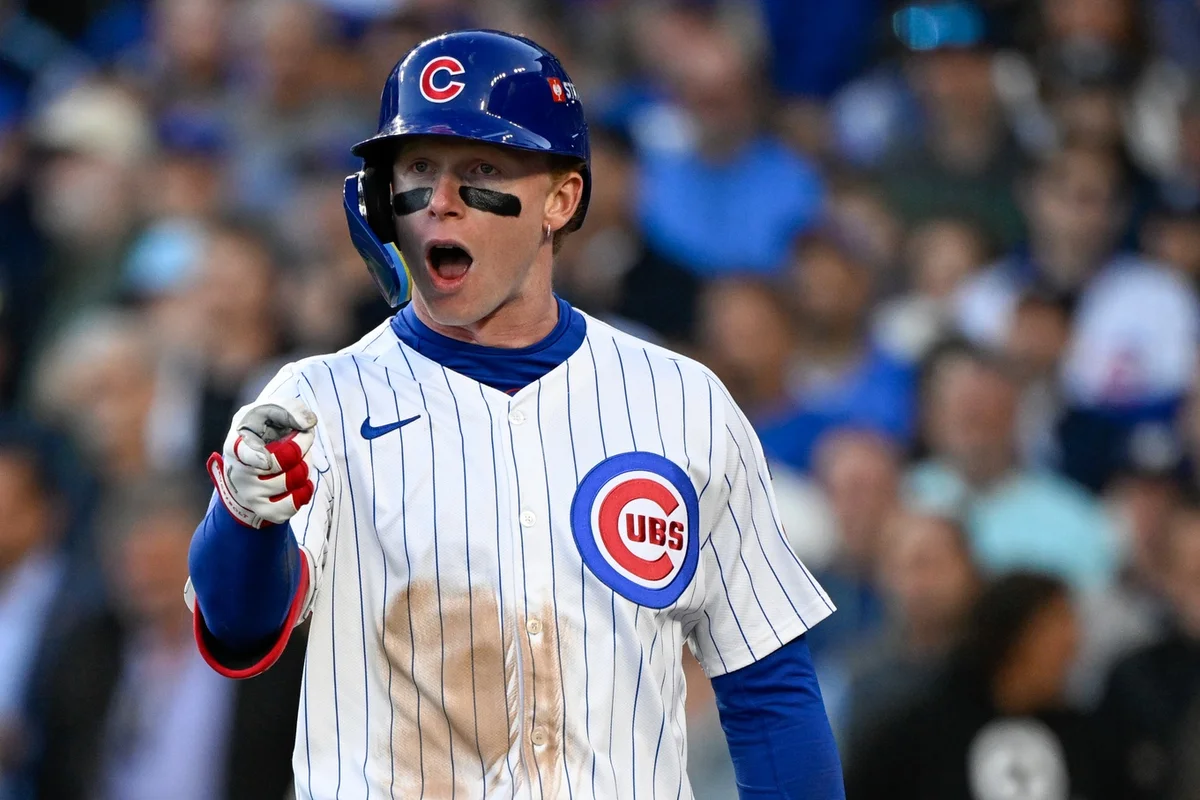
The Chicago Cubs are weighing their options following Kyle Tucker’s departure to the Los Angeles Dodgers on a massive four-year, $240 million contract this offseason. While no team could realistically match that offer, Tucker’s exit leaves a roster spot open and financial space for the Cubs to consider retaining emerging players like Pete Crow-Armstrong and potentially re-signing free-agent Seiya Suzuki.
Suzuki, fresh off playing for Team Japan in the World Baseball Classic, had one of his best MLB seasons in 2025. He posted 32 home runs and a 130 OPS+, mainly serving as the designated hitter for the Cubs while occasionally playing outfield. His strong offensive showing could make him a highly sought-after free agent for 2026-27.
However, Suzuki’s willingness to stay in Chicago remains uncertain. Speaking through an interpreter, Suzuki said,
“Honestly, I’m not sure. Obviously, it depends on my performance. If I perform well, yes, I want to stay. But at the end of the day, I feel like I still haven’t put up the numbers that people are expecting me to. It really comes down to how I perform.”
Chicago’s current need for Suzuki’s bat is clear, especially without Tucker in the lineup. Still, if promising younger players such as Matt Shaw step up, the team might choose to invest in its youth rather than retain a veteran like Suzuki.
Bryce Harper Foresees a 2027 MLB Lockout
Bryce Harper, an outspoken voice within the MLB Players Association, recently expressed his skepticism about the 2027 MLB season starting on schedule amid ongoing labor disputes. Harper, a seasoned veteran who experienced the 2021-22 lockout, did not mince words when asked about Opening Day on the @WIPMorningShow.
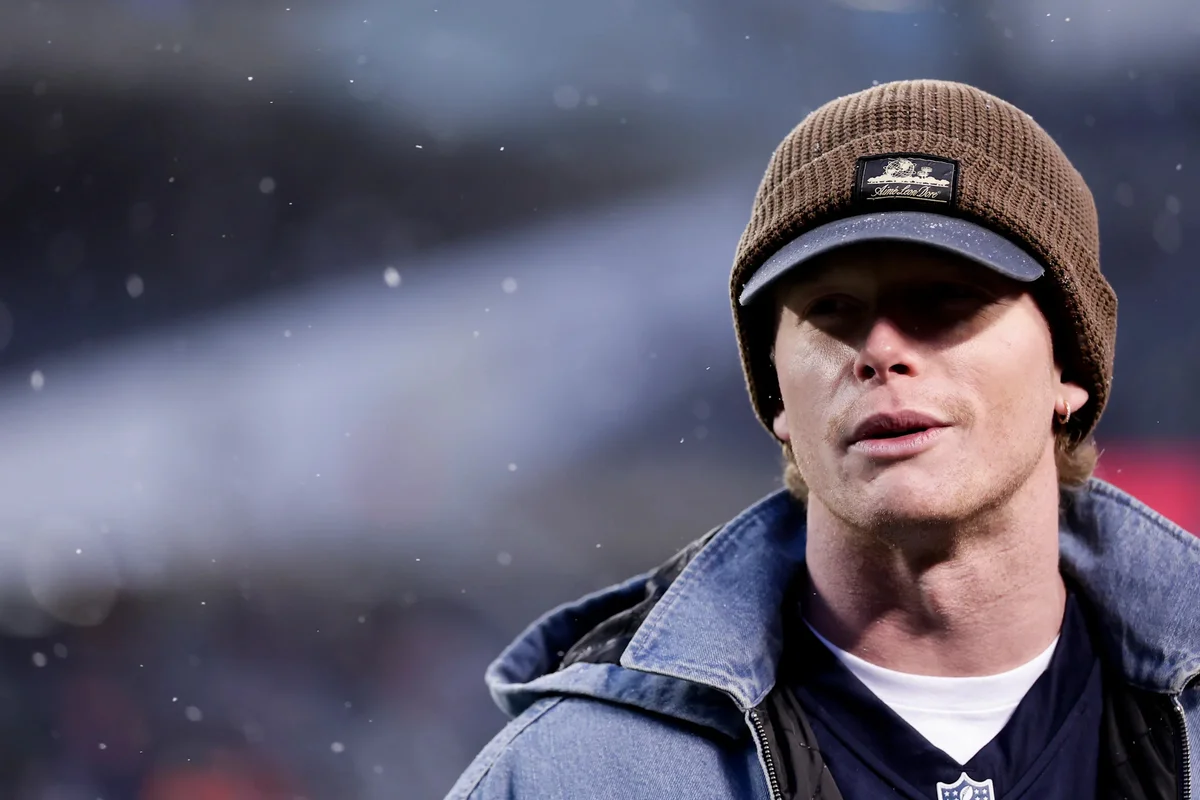
Bryce Harper when asked by @WIPMorningShow for his gut feeling on if Opening Day will start on time in 2027. “No” — Jack Fritz (@JackFritzWIP) February 24, 2026
Harper’s blunt response reflects the tense dynamics between players and owners, intensified by changes in union leadership. Former MLBPA executive director Tony Clark, who maintained cooperative ties with team owners, was removed due to an FBI investigation unrelated to labor issues. His successor, Bruce Meyer, a litigation lawyer, is aggressively challenging proposals such as a rookie pay scale and salary cap.
Players like Harper expect hard negotiations ahead under Meyer’s stewardship, positioning the upcoming labor talks as a potential battlefield rather than a negotiation table.
Pete Crow-Armstrong Open to Long-Term Deal With Cubs
Despite being under team control well into the future and earning under $1 million this season, Pete Crow-Armstrong appears ready to consider a contract extension with the Cubs. While there is no immediate obligation for Chicago to extend his contract, doing so could streamline salary negotiations and avoid potential arbitration conflicts.
Crow-Armstrong, whose performances last season boosted his profile significantly, emphasizes that his priority lies with winning rather than financial gain. He stated in an interview with Chicago Magazine,
“I’ve made it clear I want to be here for as long as they want me. I want what’s best for the team. I’m cool with being under team control and being here. League minimum ain’t too f***ing bad.”
He also expressed a consideration for the wider market, recognizing that his decision could impact other young center fielders negotiating their contracts.
“I play the game because I like beating other people. The money will be life-changing regardless. I would like to get a fair deal so I don’t f*** the market up. I want to look out for the other center fielders who have to go through the same process. Which is why I’m glad [Cubs management] and my agents are figuring out how to do this,”
Crow-Armstrong added.
The Cubs appear inclined to secure Crow-Armstrong’s future with the organization, as the young star remains focused on contributing to a World Series victory rather than chasing immediate financial reward.
Impact of These Developments on Cubs’ Strategy and MLB Landscape
The Cubs are at a critical juncture following Kyle Tucker’s departure and amid uncertainty surrounding Seiya Suzuki’s future. Retaining players like Suzuki depends heavily on their performance and interest in staying with the team, while the emergence of prospects such as Matt Shaw adds complexity to roster decisions.
Pete Crow-Armstrong’s openness to a long-term deal offers the Cubs a chance to stabilize their outfield core and build around promising young talent. His leadership on contract fairness also signals a growing awareness among players about how individual decisions can create ripple effects across the league.
Meanwhile, Bryce Harper’s bleak outlook on the 2027 season start highlights ongoing labor tensions that could disrupt the MLB calendar. With union leadership now more combative, upcoming negotiations may yield further conflicts affecting players, teams, and fans alike.
Overall, the Cubs’ moves with Crow-Armstrong and Suzuki, set against the backdrop of league-wide labor uncertainty, will shape both their competitive future and the broader MLB environment in the coming years.
Bryce Harper when asked by @WIPMorningShow for his gut feeling on if Opening Day will start on time in 2027.
“No”
— Jack Fritz (@JackFritzWIP) February 24, 2026
