
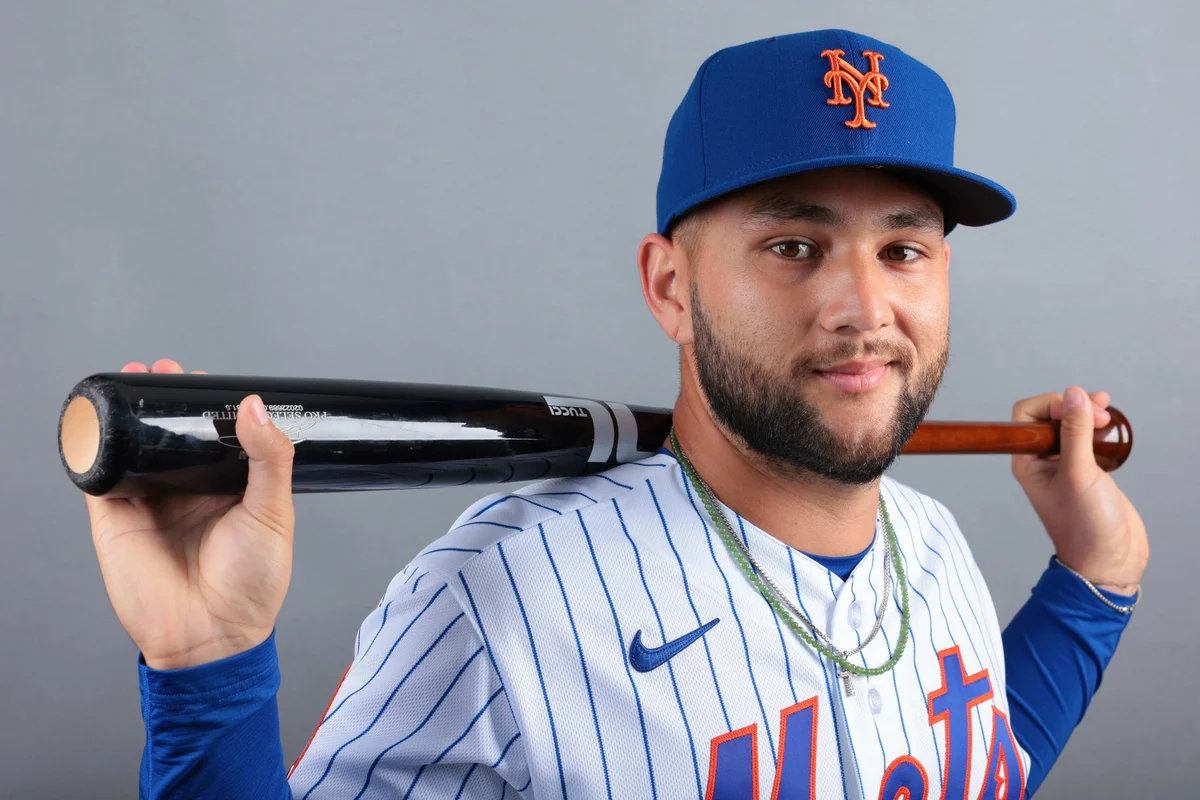
The New York Mets secured Bo Bichette on a three-year, $126 million contract after narrowly missing out on Kyle Tucker, aiming to strengthen their infield despite no pressing shortstop vacancy. Although Bichette’s primary position has been shortstop since his 2016 draft, the Mets see him as a potential candidate for third base, a spot that remains uncertain. This Bo Bichette Mets contract includes player options that make its short-term nature unusually intricate, blending guaranteed earnings with future decision points.
A defining feature of Bichette’s contract is the inclusion of opt-out clauses following each of the first two seasons. These provisions grant Bichette the possibility to test free agency again if he wants to, but with an additional twist: should he opt out after 2026, he would collect a $5 million bonus alongside his $42 million salary for that year. This dual financial incentive complicates the Mets’ long-term planning.
Potential Scenarios Arising from Bichette’s Contract and Role
The Mets face a challenging predicament. If Bichette excels at third base, he is likely to exercise his opt-out, aiming for a more lucrative deal in a free agent market where he might emerge as the top position player. Conversely, if his performance falls short, remaining under contract for the $42 million salary might be more appealing. This arrangement leaves the Mets primarily responsible for absorbing negative outcomes, while Bichette retains upside leverage based on performance.
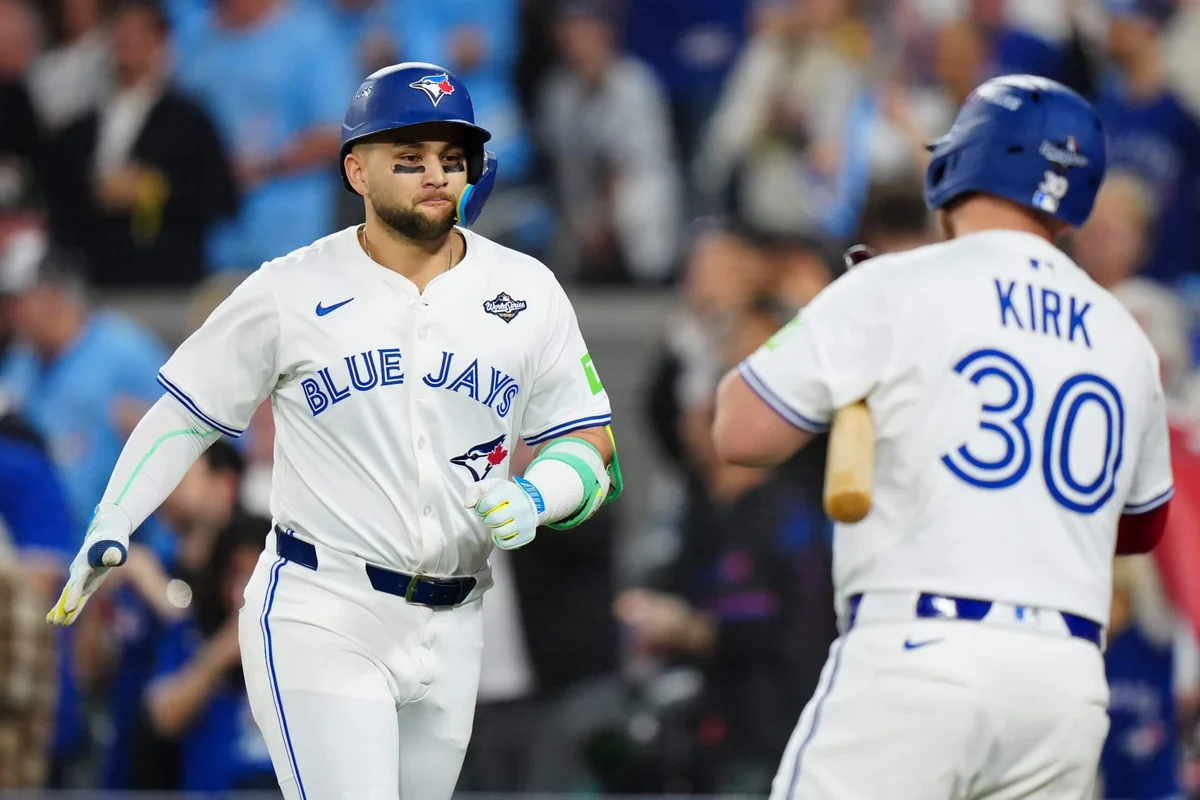
Adding to the team’s uncertainty is the ambiguity surrounding Bichette’s best defensive position should he opt out and explore options elsewhere. Though he has played sparingly at second base, shortstop has been his exclusive major league position. Defensive metrics since his debut have raised questions about his fit at shortstop, with consistently low Defensive Runs Saved (DRS) ratings—registering -12 in 2025 and -16 in 2022, the poorest among shortstops those seasons. His limited range and agility contribute to difficulties fielding strong-hit balls.
Evaluating Bichette’s Defensive Challenges at Third Base
Transitioning to third base may not fully resolve these defensive concerns. Bichette’s arm strength, important for third base, was among the weaker infield arms last year. Infield range is critical for the hot corner, and his initial appearances during spring training have yet to provide reassurance, though the sample size remains small for firm conclusions.
If Bichette fulfills the entire contract term, the Mets and prospective teams will face complex decisions. Would shortstop or third base fit him best going forward? Is a move to second base or even first base plausible depending on his defensive development? Market value could shift dramatically if his offensive output becomes the primary attraction rather than defensive performance.
Broader Team Considerations and Contract Ramifications
This uncertainty over infield placement is just one of several complications the Mets must address during spring preparations. The organization demonstrated enough confidence in Bichette’s potential to offer a substantial contract, but the player options embedded create a series of conditional outcomes to navigate. The deal was evidently a fallback after missing out on Kyle Tucker, possibly leading the Mets to sacrifice negotiating leverage.
Bichette’s contract might set a precedent for how mid-tier star infielders negotiate short-term, high-value deals with performance-linked escape clauses. Whether this approach becomes a trend or stands as a one-off experiment depends heavily on his performance in the coming seasons.
