
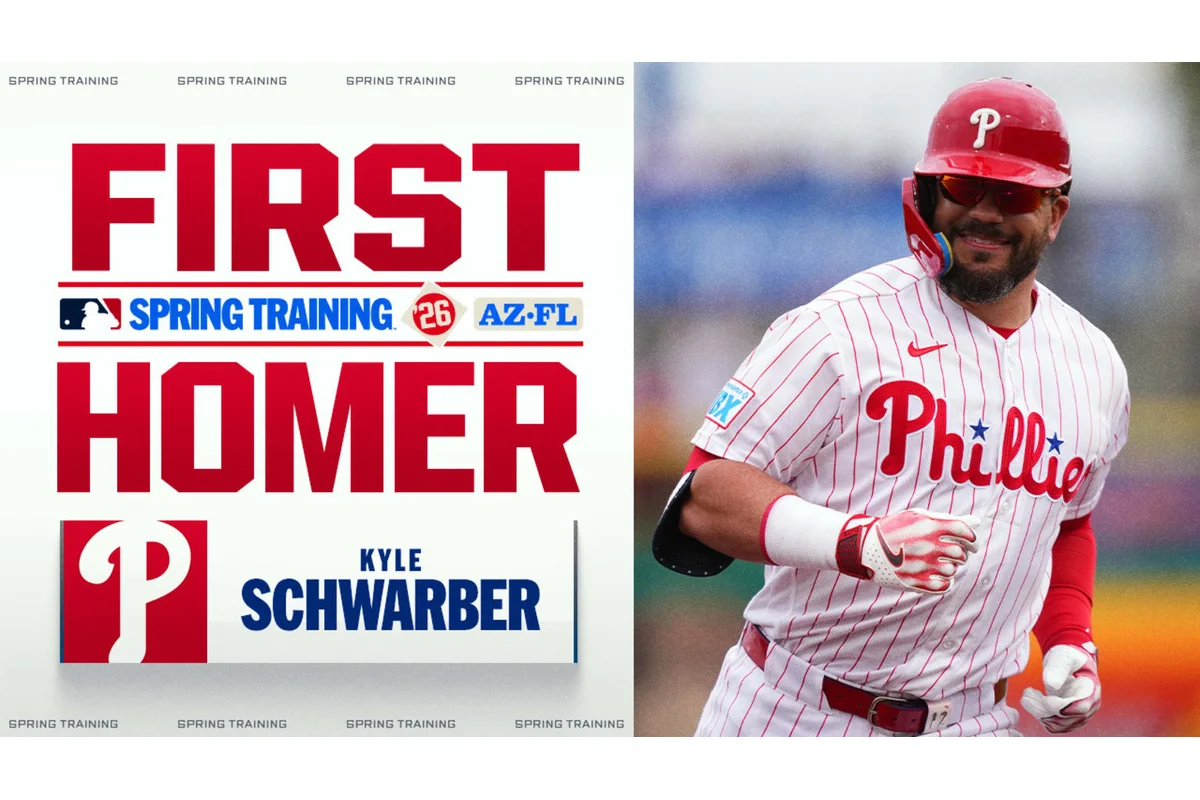
The debate over the Philadelphia Phillies’ batting order continues, especially regarding Kyle Schwarber’s role as the cleanup hitter. Using data from last season, it’s clear that the team’s most effective lineup was the one that propelled them to the NL East title, under manager Rob Thomson’s watch. Despite calls to rearrange the order, making Schwarber the cleanup batter may not deliver the desired results. Analyzing the numbers from the past season reveals surprising insights about Bryce Harper and Schwarber’s collaboration within the lineup.
Impact of Player Matchups in the Batting Sequence
One key focus is how Bryce Harper performed when positioned in front of Schwarber versus other players. Surprisingly, Harper’s statistics indicate that he benefited less from batting ahead of Schwarber than from batting before Alec Bohm or J.T. Realmuto. Harper’s on-base plus slugging (OPS) was nearly .100 points higher when Bohm followed him rather than Schwarber. This difference was driven not only by increased walks but also by more extra-base hits, including a higher home run rate when Harper batted before Bohm.
To provide context, here are Harper’s splits when he led off in front of various hitters last season:
- Behind Schwarber: .796 OPS, .355 OBP, 18.0% strikeout rate, 12.5% walk rate, 9.0% extra-base hit percentage, 7 home runs in 200 plate appearances (PA)
- Behind Realmuto: .810 OPS, .332 OBP, 20.9% strikeout rate, 10.2% walk rate, 8.6% extra-base hit percentage, 11 home runs in 187 PA
- Behind Bohm: .881 OPS, .381 OBP, 23.8% strikeout rate, 13.5% walk rate, 11.1% extra-base hit percentage, 5 home runs in 126 PA
Bryce Harper’s Best Output Occurred Hitting Behind Schwarber and Turner
Conversely, Harper’s performance improved when he batted behind Schwarber or Trea Turner. The numbers demonstrate enhanced OPS and productivity when he followed these players in the order, suggesting a more beneficial lineup positioning.
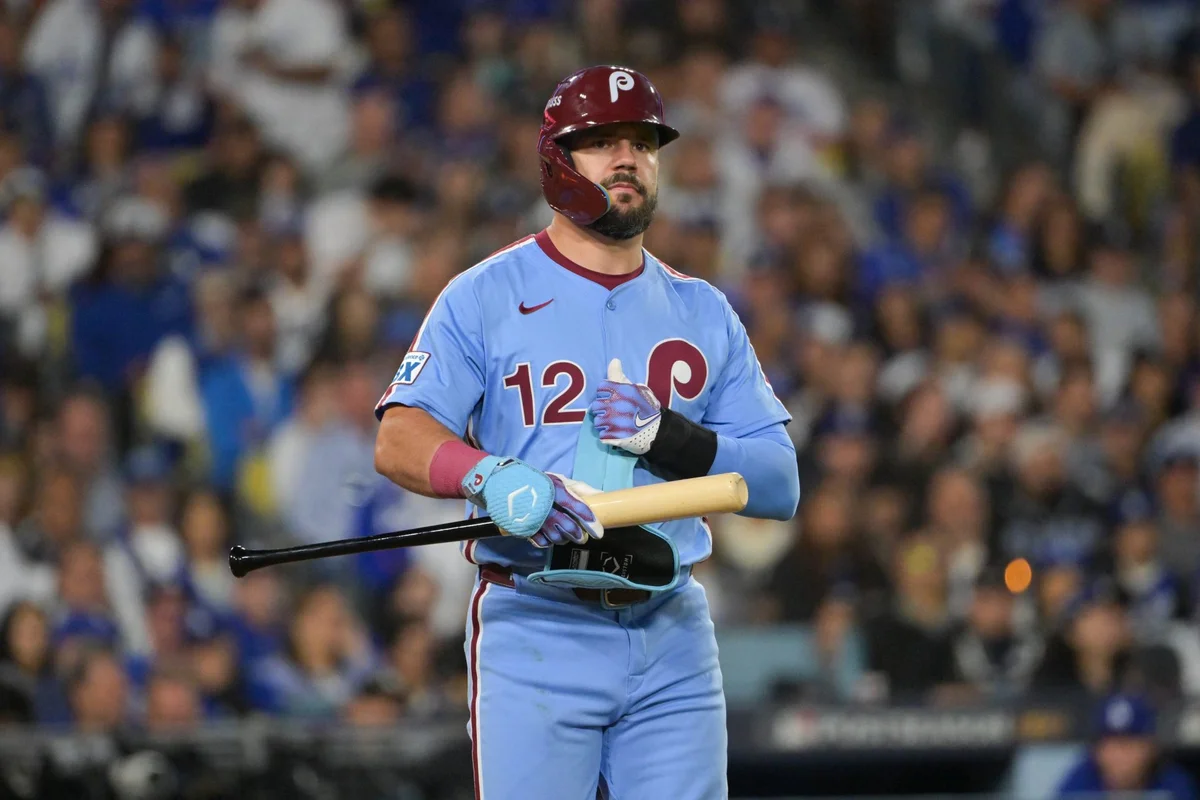
Here are Harper’s numbers hitting behind each in 2023:
- Behind Schwarber: .858 OPS, .352 OBP, 22.0% strikeout rate, 11.1% walk rate, 10.8% extra-base hit percentage, 17 home runs in 332 PA
- Behind Turner: .831 OPS, .373 OBP, 18.8% strikeout rate, 14.8% walk rate, 9.4% extra-base hit percentage, 9 home runs in 244 PA
An interesting nuance is how Harper’s output was especially strong when Turner hit third and Schwarber batted fourth, rather than Schwarber directly behind Harper. In this specific and smaller sample, both Harper and Schwarber posted notably high OPS figures, suggesting tandem effectiveness when separated by Turner.
With Harper batting second and Schwarber fourth, Harper recorded a .903 OPS with a .243 batting average (9-for-37), five extra-base hits, two homers, and 11 walks. Schwarber contributed a 1.014 OPS with 9-for-38, six extra-base hits, four home runs, and eight walks in the same scenario.
Manager Rob Thomson’s Successful Lineup Adjustments After June
Following Harper’s return from the injured list in late June, Rob Thomson adjusted the lineup, positioning Schwarber second and Harper third. This alignment proved highly effective for the Phillies, who averaged five runs per game across the final 79 games. During this stretch, the team posted a solid combined OPS of .789, sparking renewed confidence in the batting order’s structure.
Thomson’s lineup decision was evident as he rarely deviated from this approach when both players were available, save for two exceptions. This strategy replaced the earlier Harper-Schwarber back-to-back lineup, which coincided with a series of losses, including a notable 11-2 defeat to the Toronto Blue Jays.
The Debate Between Correlation and Causation in Lineup Success
While statistics show Harper’s performance improved batting behind Schwarber, it remains unclear if the lineup change caused the uptick or if other factors contributed. Variables like the quality of opposing pitchers faced, seasonal weather changes, and other team dynamics could influence these outcomes. Regardless, the numerical trends suggest a more productive scenario when Schwarber and Turner set the table for Harper.
Why Schwarber Is Not Ideal as the Cleanup Hitter
Contrary to the traditional view of the cleanup spot as the place for your best power hitter, the Phillies’ optimal batting order does not support Schwarber batting fourth. Instead, maximizing the top three spots with Turner, Schwarber, and Harper produces better run-scoring opportunities and ensures these key players receive more plate appearances.
Though Schwarber’s power numbers resemble those expected of a prototypical cleanup hitter, this approach overlooks the need to generate consistent scoring chances early in the inning. When Turner and Bryson Stott effectively initiate the lineup, Schwarber benefits by hitting higher, creating more opportunities for both himself and Harper to contribute.
Declaring Schwarber or Harper lower than third in the order risks limiting their at-bats and subsequent impact, which is critical late in games. The goal is to give the Phillies’ elite hitters the most chances to influence the score, especially in tight situations where every run counts.
Implications for the Phillies’ Future Lineup Strategy
Going forward, the Phillies would benefit from maintaining a top-three core featuring Schwarber, Harper, and Turner in varying configurations. Whether it’s Turner-Schwarber-Harper or Schwarber-Turner-Harper, keeping these productive bats near the top maximizes their impact. This alignment not only leverages their offensive strengths but also puts the team in the best position to score in crucial moments.
Questions remain concerning the roles of Alec Bohm, Adolis Garcia, J.T. Realmuto, or up-and-coming players like Aidan Miller, but there is little room for debate on batting Schwarber or Harper below third. As a veteran player, Aaron Judge’s experience with a nontraditional leadoff role in New York underscores that lineup orders can be shaped creatively without sacrificing power or efficiency.
Ultimately, opposing pitchers would likely prefer to see Schwarber and Harper deeper in the order, away from the top. For Philadelphia, preserving their place high in the batting order is key to maintaining offensive momentum and sustaining the success that brought them a division crown.
