
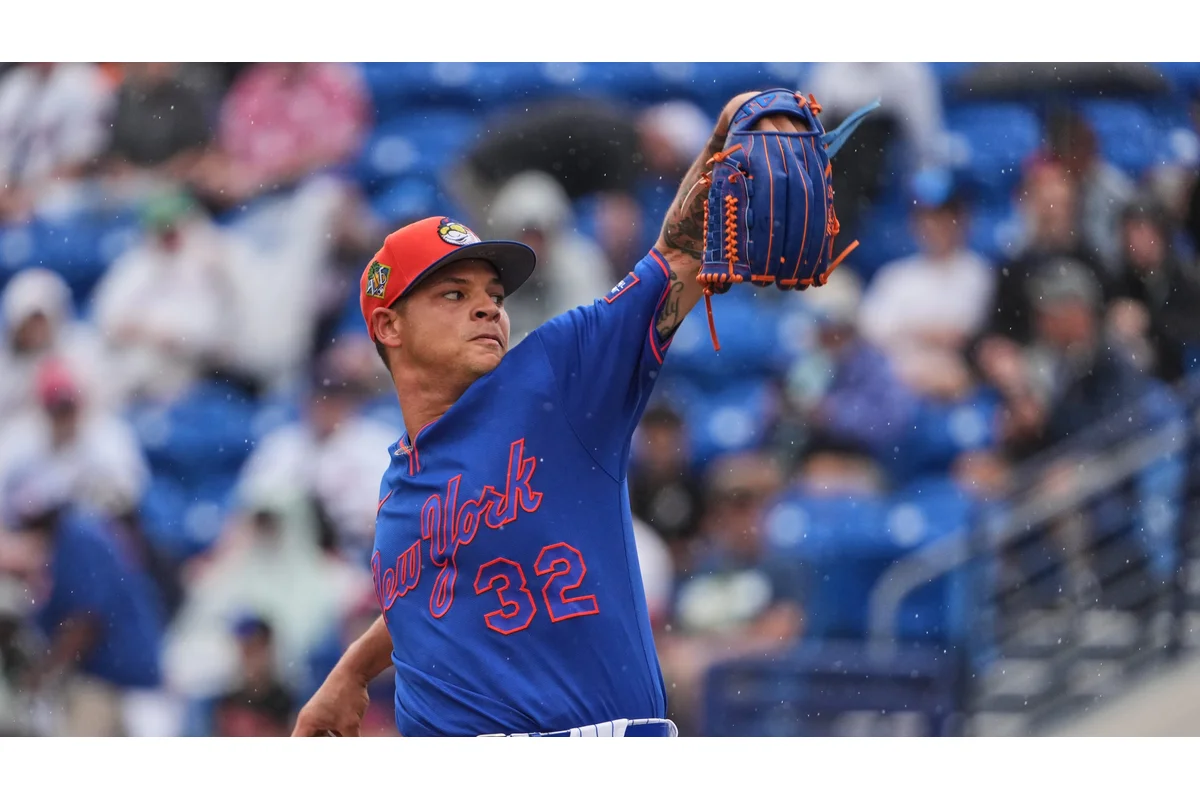
In a spring training game Thursday at Clover Park, Port St. Lucie, Fla., Brett Baty made his professional debut playing first base for the New York Mets. The Mets fell 3-2 to the Washington Nationals, but Baty’s performance at the new position caught attention as he adjusted mentally and physically to unfamiliar territory. Throughout the game, he showed quick thinking and adaptability, crucial traits as he works toward becoming a super-utility player for the team.
Learning the First Base Role Amid a Shifting Defensive Landscape
During the third inning, Baty instinctively moved toward a ground ball hit to his right, then quickly reminded himself,
“I need to get my butt to first base,”
realizing he wasn’t playing second base. He sprinted back to the bag to complete the out, reflecting the thought processes demanding adjustment from his usual infield roles.
“There are just some things that you never see in practice until you go out there and do it in a game,”
Baty said about the challenges of adapting to first base, noting his previous positions as third and second baseman foster a different instinct to chase down balls.
Despite some early awkwardness, Baty’s athleticism was evident during his four innings in the field. He successfully held runners on and handled pickoff throws, earning a “fine” assessment from Mets’ coach Carlos Mendoza, who added,
“Overall, it was a good day. He’s very athletic.”
From Third Base to Utility Player: Baty’s Evolving Defensive Roles
Baty’s progression toward a multi-positional role has accelerated since Jeff McNeil’s trade and organizational shifts. As a natural third baseman, Baty began receiving outfield reps in 2021 and briefly saw time in left field during the 2023 season when he started gaining regular major league appearances. By 2024, the Mets experimented with Baty at second base, where he became a regular by 2025. First base emerged as a possibility following Pete Alonso’s contract opt-out, especially after the Mets missed out on Kyle Tucker in free agency. Juan Soto’s move to left field advanced plans to use Baty in right field, where he now competes with players like Tyrone Taylor, Carson Benge, and MJ Melendez for playing time.
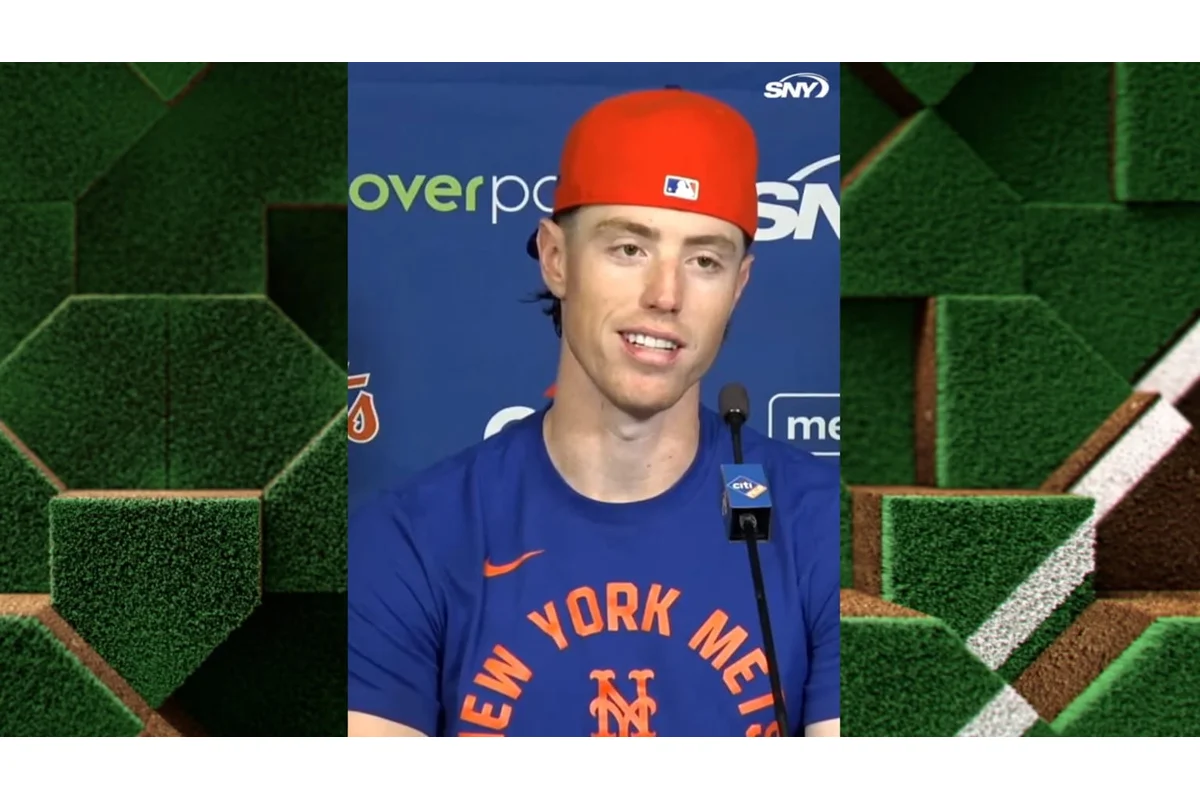
Although Baty began working at first base in the offseason, mastering positioning there demands a strong mental adjustment. A recent hamstring strain slowed his outfield reps, but after receiving them for the first time on Friday, he described the experience positively:
“I feel like a football receiver out there,”
he said.
I think it’s really fun to run around out there, catch fly balls, show off the arm and stuff like that. I think you can showcase athleticism out there and I like it.
Defensive Growth and Daily Communication Are Key to Baty’s Success
Baty’s defensive skills have improved notably, especially at third base. Beginning in 2024, his defensive runs saved changed from -4 outs above average to a positive two, reflecting steady progress. While he is comfortable at second and third base, Mendoza emphasized a desire to focus this spring on the right side of the infield to balance Baty’s workload and developmental needs.
The demands of being a super-utility player are significant, with constant position changes requiring fast adjustments in both mechanics and mental approach. Mendoza highlighted the importance of clear communication:
“We have to make sure that we’re communicating with him on a daily basis,”
Mendoza said.
If we’re thinking about potentially playing him in right, [we’re] making sure he gets the reps there a couple days in advance. The throwing is different. If we’re thinking about playing him at third [or] second base, there’s a lot of communication…It’s not easy, but he’s embracing the opportunity.
Maintaining Offensive Momentum Amid Defensive Challenges
Changing defensive roles can weigh heavily on a player’s offense, but Baty showed resilience at the plate last year. After a difficult start to the 2025 season with a .229/.306/.327 slash line, he hit his stride after June 23, raising his average to .289 in the second half and blasting 10 of his 18 homers during that stretch. He also earned trust as a platoon player against left-handed pitchers, achieving nearly equal splits for the first time in his MLB tenure.
Baty adopts a balanced mindset to manage pressure across defense and offense, reflecting on advice from teammate Mark Vientos:
“He said it’s two separate parts of the game,”
Baty recalled.
If he makes a mistake on defense or if he strikes out on offense, he’s flushing that. He’s got some other way to contribute to a team win that night on the other side of the ball, too. I really respected him when he said that and I’ve been trying to implement that as well.
Embracing a Versatile Role Within a Competitive Mets Roster
Baty’s willingness to adapt is mirrored in the Mets’ fluid roster plans, with competition for starting roles at first base and in the outfield heating up. Alongside veterans like Jorge Polanco and Mark Vientos, and prospects Jared Young, Tyrone Taylor, Carson Benge, and MJ Melendez, Baty must continually prove his value.
As he juggles multiple positions, Baty’s locker is stocked with several gloves, a symbol of his diverse responsibilities. “A lot, yeah,” he acknowledged when asked about the number of gloves he carries, underscoring the complexity of his role.
His steady development at first base and growing confidence in the outfield highlight his potential as a foundational piece of the Mets’ defense. With ongoing communication and focused preparation, Baty aims to capitalize on the chance to be a key versatile player this season.
