

As Shohei Ohtani prepares to return to the Tokyo Dome for the World Baseball Classic (WBC), excitement among fans is palpable, fueled by Ohtani’s global reputation. However, new rules prohibiting the sharing of images and videos from the stadium during Group C games have caused widespread frustration. The ban, announced on March 1, 2026, applies not only to Tokyo Dome but also to warm-up matches at Kyocera Dome Osaka from March 2-3, creating tension just as attention peaks on Japan’s home tournament.
Ohtani’s presence has a powerful impact on ticket demand, with fans willing to pay premium prices to watch him live. Yet, many are now unable to capture or share these moments, a limitation that feels jarring given the current fervor surrounding Samurai Japan’s quest for a historic fourth WBC title.
Details of Restrictions and Their Impact on Fans
The organizers of Group C of the WBC’s opening round have instituted a ban on posting photographs and videos from games and practice sessions at the Tokyo Dome and Kyocera Dome Osaka, aiming to control the dissemination of content. This decision, reported by Kyodo News, has left many attendees shocked and disappointed, as capturing memories at live sporting events is considered essential for fans, especially with a star like Ohtani at bat.
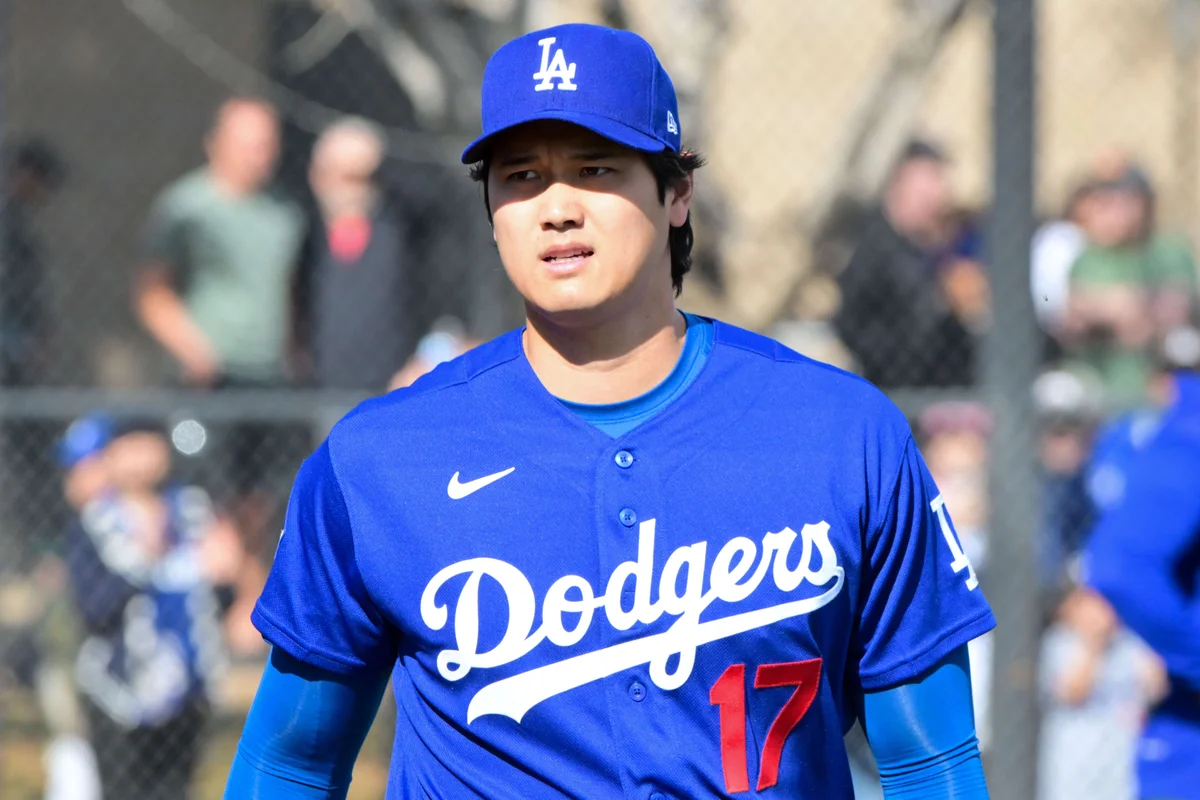
Inside the stadium, the atmosphere is electric whenever Ohtani steps up to bat. Cameras flash and crowds erupt at powerful hits. However, despite this energy, fans are restricted from preserving these moments digitally. The regulation includes a prohibition on sharing images on social media platforms like Instagram, preventing fans from commemorating the experience or spreading excitement globally through organic sharing.
Fan Reaction and Historical Context of Similar Restrictions
The photo and video ban has ignited significant backlash online, with fans questioning why their experience at such a pivotal tournament should be limited. Many see it as an unnecessary barrier that undermines the enjoyment of attending the games. This reaction echoes a similar scenario that unfolded in the Nippon Professional Baseball league recently, where strict rules on fan recordings faced widespread criticism and were eventually relaxed—but for the WBC, the ban remains firmly enforced.
Online voices express confusion and frustration. One fan wrote,
“Japan likes to make it difficult to enjoy their sh**,”
while another added,
“J-Pop fans are very familiar with this.”
These comments illustrate the cultural differences in policies about event recordings, yet reveal growing impatience among sports fans wanting to capture the excitement.
Understanding Japan’s Cultural Approach to Event Restrictions
In Japan, restrictions on photography and filming at events, particularly concerts, are commonplace to protect artists’ intellectual property and promote a controlled environment. For example, many J-Pop concerts forbid filming throughout performances. Applying this standard to international sports events like the WBC aligns with Japanese event management norms but clashes with global spectator expectations.
While the intent behind such policies may be to safeguard official media rights and maintain broadcast exclusivity, it comes at the cost of fan engagement. Watching moments live has long been complemented by sharing highlights on social media, helping to fuel international interest and passion for the sport. The current measures disrupt this ecosystem during a time when Shohei Ohtani’s star power could remarkably elevate baseball’s global profile.
Concerns Over WBC’s Global Reach Because of Sharing Restrictions
Critics argue that banning user-generated content might hinder the World Baseball Classic’s efforts to grow beyond its core audiences. One fan observed,
“I mean, not being able to live stream the game makes sense, but banning posting pictures from the game on Instagram is bizarre.”
Another remarked,
“Wanna watch a Yomiuri Giants game online in America? Well, too bad!”
These comments express the frustration felt by overseas fans who find access to Japanese baseball content limited and now face additional restrictions on real-time sharing.
Official broadcast arrangements benefit from controlling content, yet experts warn that prohibiting organic fan sharing may weaken the WBC’s reach over time. In today’s digital age, fan enthusiasm and viral content are crucial for expanding the tournament’s visibility, particularly with marquee players like Shohei Ohtani drawing global attention.
The Significance of the Ban Amid Shohei Ohtani’s Return
Shohei Ohtani’s return to Tokyo Dome represents more than just a game; it symbolizes a moment of national pride and global baseball celebration. The outpouring of support for Samurai Japan has transformed public spaces across the country, from airports to grocery stores, into vibrant displays of anticipation. Yet, the strict photo and video restrictions cast a shadow over these festivities, dampening the experience for many attendees.
Fans who have invested heavily in tickets now face an unusual and restrictive environment. The inability to document and share their experiences runs counter to modern fan culture, where digital memories and social media play pivotal roles. This situation exposes a clash between traditional event management practices in Japan and contemporary global event fandom, highlighting tensions that organizers will need to address as the tournament progresses.
As the WBC moves forward, how these restrictions affect fan engagement and international reception remains uncertain. The sustained backlash indicates pressure may mount for reconsideration or adjustments, but for now, the ban stands, underscoring ongoing conflicts between cultural norms and evolving expectations in global sports.
