
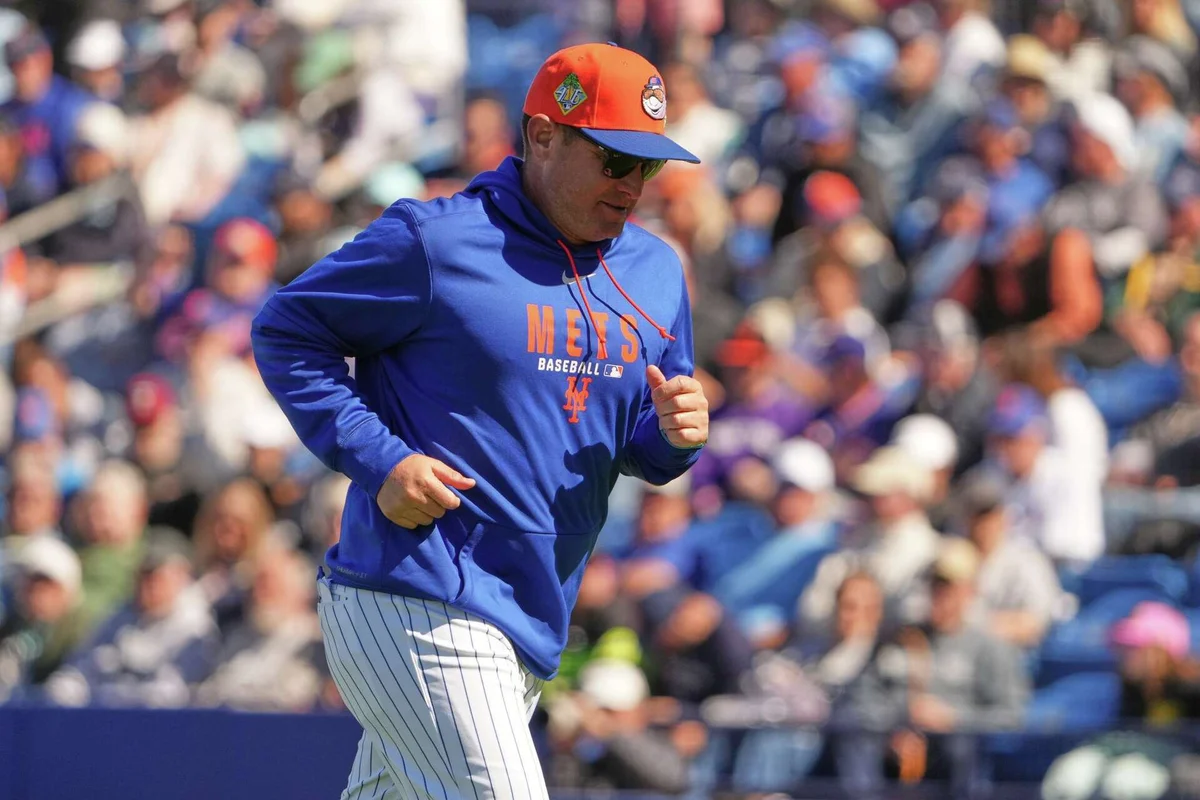
The New York Mets and pitcher Freddy Peralta have yet to begin earnest discussions regarding a contract extension, according to Ken Rosenthal of The Athletic. While talks are expected to intensify in the near future, both sides currently appear to have diverging objectives. David Stearns, president of baseball operations for the Mets, favors shorter-term contracts for pitchers, whereas Peralta has expressed a desire for a long-term agreement.
Background on Peralta’s acquisition and contract timeline
Since joining the Mets in January, Peralta quickly became subject to speculation about a possible contract extension. Stearns previously acquired and extended Peralta’s contract when he was with the Milwaukee Brewers. Peralta is currently under contract through the 2026 season, after which he will enter free agency.
Despite the apparent logic for an early extension, the Mets indicated soon after the trade that they would allow Peralta time to acclimate to his new team before initiating serious contract talks. Consequently, the absence of an extension offer at this stage is unsurprising. It remains unclear whether Peralta prefers to avoid negotiating contracts during the season, as some players do.
Contrasting priorities between Peralta and Mets management
When negotiations do become more active, the difference in goals between the Mets and Peralta will be a notable factor. Peralta told Rosenthal,
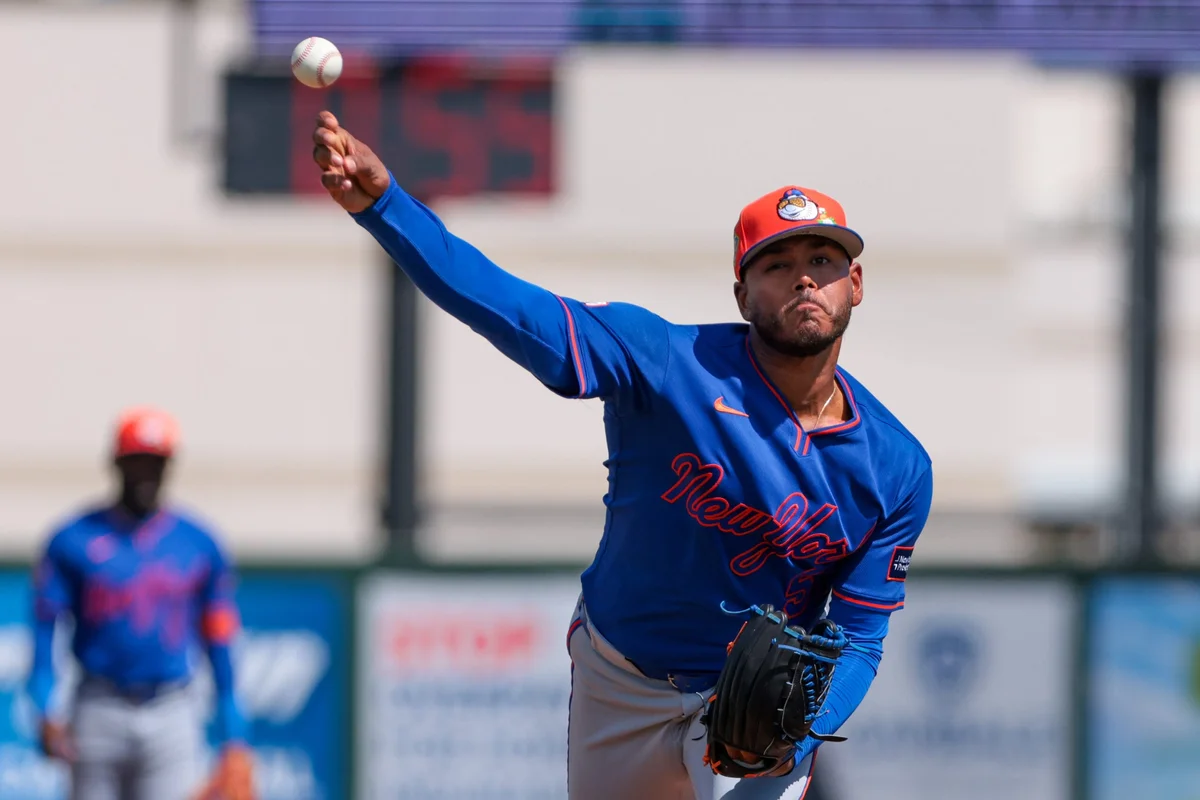
“I would prefer to go long and make sure I’m going to be in the place where I want to finish my career.”
This outlook contrasts with Stearns’ established approach to pitcher contracts.
Stearns has historically avoided lengthy deals for pitchers, both with the Brewers and now with the Mets. According to MLBTR’s Contract Tracker, he granted five-year extensions to only two pitchers—Peralta and Aaron Ashby—while they were in their mid-20s. Outside of those exceptions, no pitcher under Stearns’ management has signed contracts exceeding three years. Although operating with one of the league’s highest payrolls, Stearns’ largest guarantee to a pitcher remains Sean Manaea’s $75 million deal. The Mets did reportedly offer a 12-year contract to Yoshinobu Yamamoto, which was an exceptional case due to Yamamoto’s youth, being only 25 at the time.
Peralta’s age and market comparison for long-term contracts
Peralta will turn 30 in June, entering his 31-year-old season when he reaches free agency. Securing a lengthy contract at that age is achievable if he produces another strong year. Recent examples include Max Fried, who signed an eight-year deal before his age-31 season, and Aaron Nola, who secured seven years ahead of his own age-31 campaign. Dylan Cease, who is entering his age-30 season, is slightly younger than Peralta by about six months.
The financial guarantees offered to these pitchers also indicate the market range Peralta might command next offseason. Fried’s deal was worth $218 million, Cease’s $210 million (with deferred payments reducing net present value to roughly $180–185 million), and Nola’s contract was valued at $172 million. Peralta could reasonably aim for a contract in a similar tier, especially relative to Cease.
Performance metrics supporting Peralta’s contract expectations
Over the past five seasons, Peralta has pitched 738⅓ innings with a 3.30 ERA, a 29.6% strikeout rate, and a 9% walk rate. In the same span, Cease logged 884 innings but with a higher 3.72 ERA. Cease’s strikeout rate closely matches Peralta’s at 29.7%, though Cease’s walk rate is higher at 9.7%. Additionally, Peralta’s ground ball percentage is slightly better at 37.7%, compared to Cease’s 37%.
Challenges and considerations for the Mets in negotiating an extension
For the Mets to retain Peralta with a deal comparable to Cease’s, Stearns would have to exceed previous contract norms significantly, more than doubling both the length and financial commitment he has offered pitchers before. While Stearns’ track record shows a preference for shorter deals, his evident regard for Peralta could influence a departure from past patterns.
Peralta would assume some risk by waiting to sign an extension, given the potential for injury that pitchers face. There may be room for compromise in the negotiations, where Peralta obtains a substantial guaranteed amount without fully maximizing his free-agent market value next winter.
Implications of extension talks for both Peralta and the Mets
The ongoing hesitation to finalize an extension impacts the Mets’ long-term pitching strategy and Peralta’s career stability. Should the two sides reach an agreement, it would provide security for Peralta as he approaches the latter stage of his prime, while allowing the Mets to maintain a key rotation asset without risking free agency uncertainty. If negotiations stall, Peralta’s performance this coming season will be critical in determining his eventual market value and contract options.
