
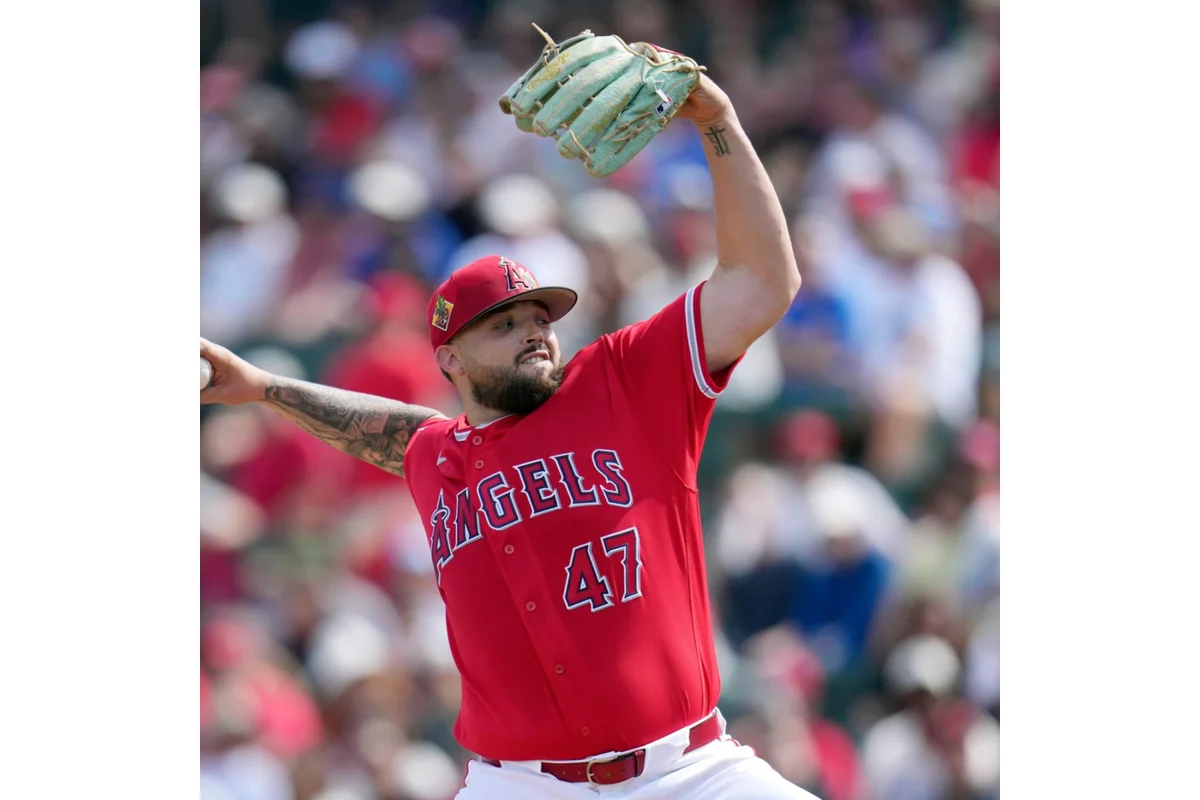
Last weekend’s news that the Los Angeles Angels have yet to offer shortstop Zach Neto a long-term contract sparked frustration among fans, as Neto embodies the team’s energy and performance during his peak years at age 25. Currently under a one-year agreement worth $4.15 million and eligible for arbitration, Neto and the Angels face three more seasons of yearly negotiations or arbitration, with his salary expected to rise each year given his consistent production.
Assessing Neto’s Value as a Top-Tier Shortstop
Shortstop is a highly demanding defensive position, and Neto ranks among the elite in Major League Baseball. According to Fielding Bible metrics, he stands fourth in all of MLB with 13 defensive runs saved, trailing only stars like Mookie Betts, Taylor Walls, and Corey Seager. Offensively, Neto also performs better than average, posting an OPS+ of 117 last season, which indicates he was 17% above the league average. Including baserunning, his weighted runs created plus (wRC+) stood at 116, confirming his well-rounded contribution at 16% above average.
Various wins above replacement (WAR) calculations differ, with Baseball-Reference attributing 3.1 WAR and other sources like BB-Ref crediting 5.1 WAR last season. Averaging these to 4 WAR positions Neto as a player delivering approximately $40 million to $48 million in value each year, based on the established market rate of $10 million to $12 million per WAR for starting players.
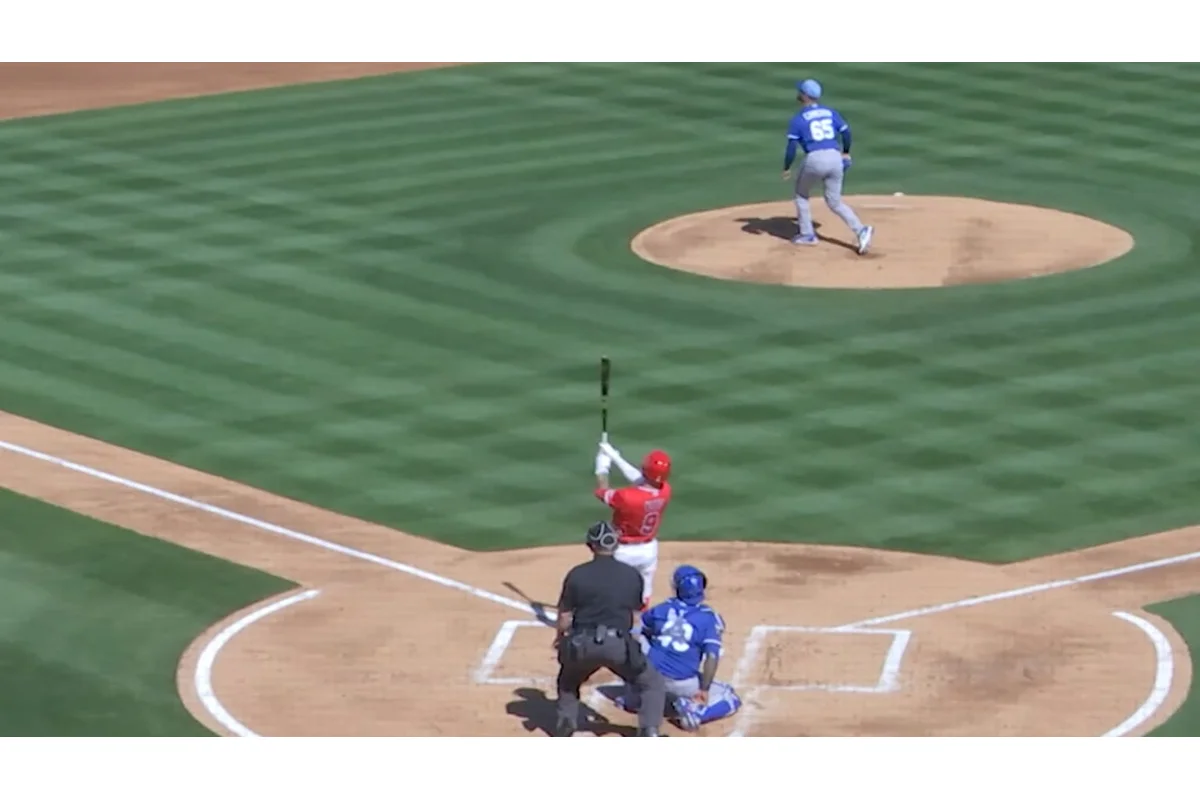
What Drives the Economics of Neto’s Extension?
The Angels control Neto’s rights through 2029, when he will be 29 and approaching free agency. Predicting likely arbitration salary escalations, Neto’s earnings could approximate $7 million in 2027, $12 million in 2028, and $18 million in 2029, adding to this year’s $4 million salary for a total near $41 million over that period. For the Angels to benefit, any extension would need to cover some of Neto’s free agent years to secure cost certainty during his prime.
Extending Neto offers the team protection against injury or decline in performance. Importantly, Neto is not currently a free agent whom other teams can acquire, limiting his options to either accept a guaranteed contract now or pursue free agency after four seasons in hopes of a larger payday. Whether the Angels will recognize this and offer an extension remains uncertain.
Evaluating a Reasonable Contract Agreement
From the Angels’ viewpoint, locking in Neto for the next four to six years would secure his peak playing years, likely retaining his services through ages 31 or 32. For Neto, a contract must provide enough guaranteed money to compensate for potential earnings lost by delaying free agency.
Assuming Neto maintains current performance through age 30, the Angels could expect him to deliver approximately five more years of 4+ WAR annually. Players often see slight declines starting in their early 30s, making a six-year extension plausible to cover about 23.5 WAR, equating to $235 million to $280 million in value based on WAR estimates.
Given Neto’s limited career earnings to date, the Angels have no incentive to match this full value in a contract. Industry standards suggest a fair offer between 60% and 70% of his projected worth, positioning a six-year deal near $165 million as a reasonable starting point. Including an optional seventh year and performance bonuses could allow the Angels to structure a seven-year contract valued around $200 million.
With the Angels’ payroll expected to decrease substantially in the upcoming seasons, the team might be financially positioned to meet such a commitment. Because Neto remains several years from free agency, this arrangement could appeal to him, balancing guaranteed security with future opportunities.
