
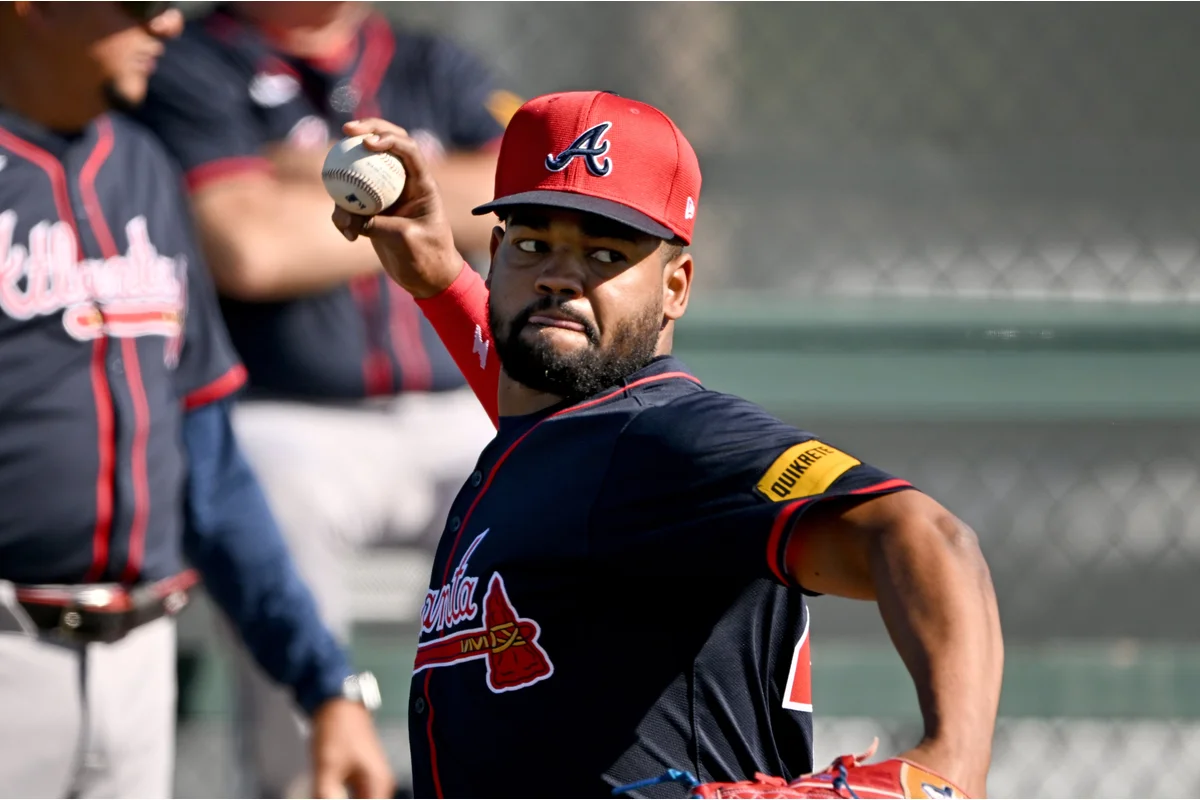
The Pittsburgh Pirates are facing a dilemma with their catchers as Spring Training progresses in 2026. Their 40-man roster includes four catchers: Henry Davis, regarded as the team’s primary backstop, along with Joey Bart, Endy Rodriguez, and Rafael Flores Jr. With Bart lacking minor-league options, while Rodriguez and Flores still have them, the Pirates are expected to trade Bart to create room in their catching depth chart. This situation aligns closely with ongoing Joey Bart trade rumors, which are drawing attention because the Pirates need to replenish pitching depth lost in the offseason.
Proposed Trade Scenario: Pirates Acquire Sean Sullivan to Strengthen Pitching
One potential trade under discussion involves Pittsburgh acquiring Sean Sullivan, a left-handed pitching prospect from the Colorado Rockies organization. Sullivan, a former second-round pick, spent much of the 2025 season at Double-A, where he demonstrated strong performance over 104 innings, posting a 2.94 ERA, 3.15 FIP, and only 1.06 WHIP. His control was notable, walking just 6% of batters while maintaining a 24.9% strikeout rate. Additionally, Sullivan limited home runs, allowing only 0.61 per nine innings.
While Sullivan’s fastball velocity sits mainly in the upper-80s to around 90 mph, his deceptive delivery from a low arm slot and extended release point create the illusion of greater velocity and add significant ride to his pitches. His pitching arsenal features an upper-70s slider and a highly promising change-up considered potentially plus-level. Recovery from labrum surgery last year also leaves room for increased velocity moving forward.
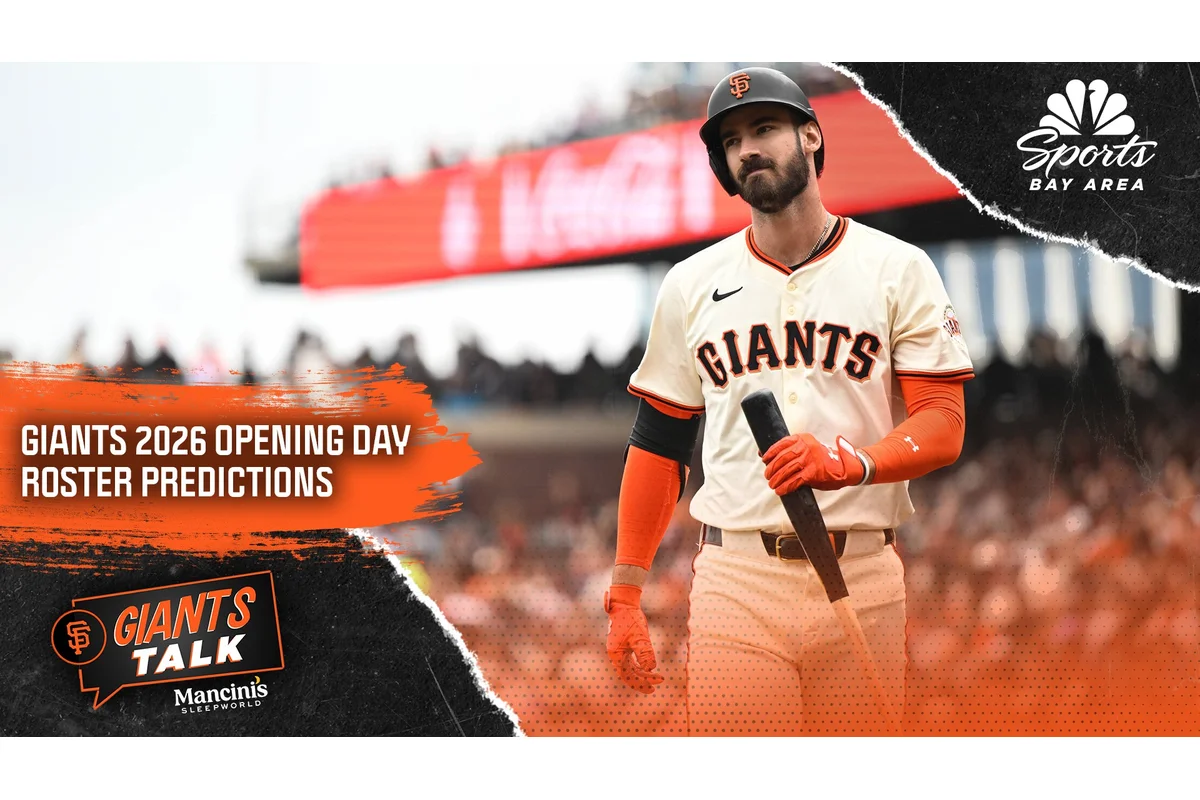
Baseball America rated Sullivan as the Rockies’ 16th best prospect, projecting him as a back-end rotation option who could transition to a multi-inning bullpen role as a reliever or spot starter, similar to the path taken by Carmen Mlodzinski. With the Pirates having trimmed their pitching resources over the winter—trading Mike Burrows and Johan Oviedo—bringing in a nearly Major League-ready pitcher like Sullivan would address a pressing organizational need.
Rockies Gain Joey Bart to Bolster Catching and Offensive Flexibility
Joey Bart’s offensive record over the past two years with Pittsburgh includes a .257 batting average, a .347 on-base percentage, and a .398 slugging percentage, resulting in a 110 weighted runs created plus (wRC+). Although Bart has hit 17 home runs through 617 plate appearances, his power numbers—reflected by a .141 isolated power (ISO)—remain modest. His plate discipline includes a 10.1% walk rate countered by a 27% strikeout rate. Bart’s hitting strength is primarily against left-handed pitchers, where he boasts a powerful 163 wRC+, contrasting with a 91 wRC+ against right-handers.
Defensively, Bart has struggled behind the plate with the Pirates. Over 1,203.2 innings, he has accumulated a negative total of defensive runs saved (-10) and framing runs (-4.3). However, there was improvement from 2024 to 2025 in both framing and fielding metrics, where Bart’s framing runs improved from -3.5 to -0.8 and his overall fielding runs also showed progress.
The Colorado Rockies currently employ Braxton Fulford as their backup catcher. Fulford excelled offensively in Triple-A during 2025, recording a 1.147 OPS, .479 wOBA, and 166 wRC+ across 171 plate appearances in Albuquerque’s hitter-friendly Pacific Coast League. Despite this success, his Major League performance was less promising, with a .591 OPS, .259 wOBA, and 49 wRC+ in 120 MLB plate appearances. Defensively, Fulford also posted subpar numbers with -3 defensive runs saved and -2.7 framing runs over 249 innings.
Hunter Goodman serves as the Rockies’ primary catcher. After hitting 31 home runs and a 118 wRC+ last season, Colorado likely wants Goodman to remain a daily player. Bart’s acquisition would allow the Rockies to give Goodman occasional rest as a designated hitter, a role he filled 39 times in the previous year. Bart can also offer a right-handed platoon partner for current Rockies DH Mickey Moniak, whose splits reveal a 119 wRC+ against right-handed pitching but only a 54 wRC+ against lefties.
Evaluating the Trade: Practical Fit or Optimistic Projection?
This trade proposal appears plausible for both teams from a roster-building perspective. The Pirates would benefit by gaining pitching depth with Sullivan, a player who fits general manager Ben Cherington’s preference for controllable pitching prospects. The left-hander’s potential to reach the Majors this season adds immediate value. The Pirates’ offseason trades of Mike Burrows and Johan Oviedo left clear gaps in their pitching staff, making a transfer of a backup catcher like Bart a logical step.
For the Rockies, Bart offers an upgrade behind the plate, particularly in terms of offense and versatility. Colorado’s lineup ranked last league-wide in wRC+ in 2025 with a 74 mark, even lagging behind the Pirates’ struggling offense. Additionally, Bart is under team control through 2027, allowing Colorado to utilize him regularly or potentially trade him in the future for additional assets.
However, there are potential obstacles. The Rockies might prioritize retaining a pitching prospect like Sullivan, who carries six years of MLB control, over a midfielder like Bart who has only two years remaining under contract. Colorado may view pitching prospects as more valuable for long-term rebuilding, while Bart represents more of a short-term offensive addition. Playing half of Bart’s games at Coors Field, a hitter-friendly ballpark, also gives him upside that might appeal to the Rockies, though this inherently carries risk if they aim for future prospect capital.
Ultimately, the Pirates must find a way to move Bart to address their roster needs, campaigned by Joey Bart trade rumors. Meanwhile, the Rockies need catching depth and would gain a right-handed power bat capable of platoon duty at designated hitter. Both sides gain useful components: the Pirates strengthen their pitching pipeline, and the Rockies acquire a flexible offensive piece with potential to contribute immediately.
