
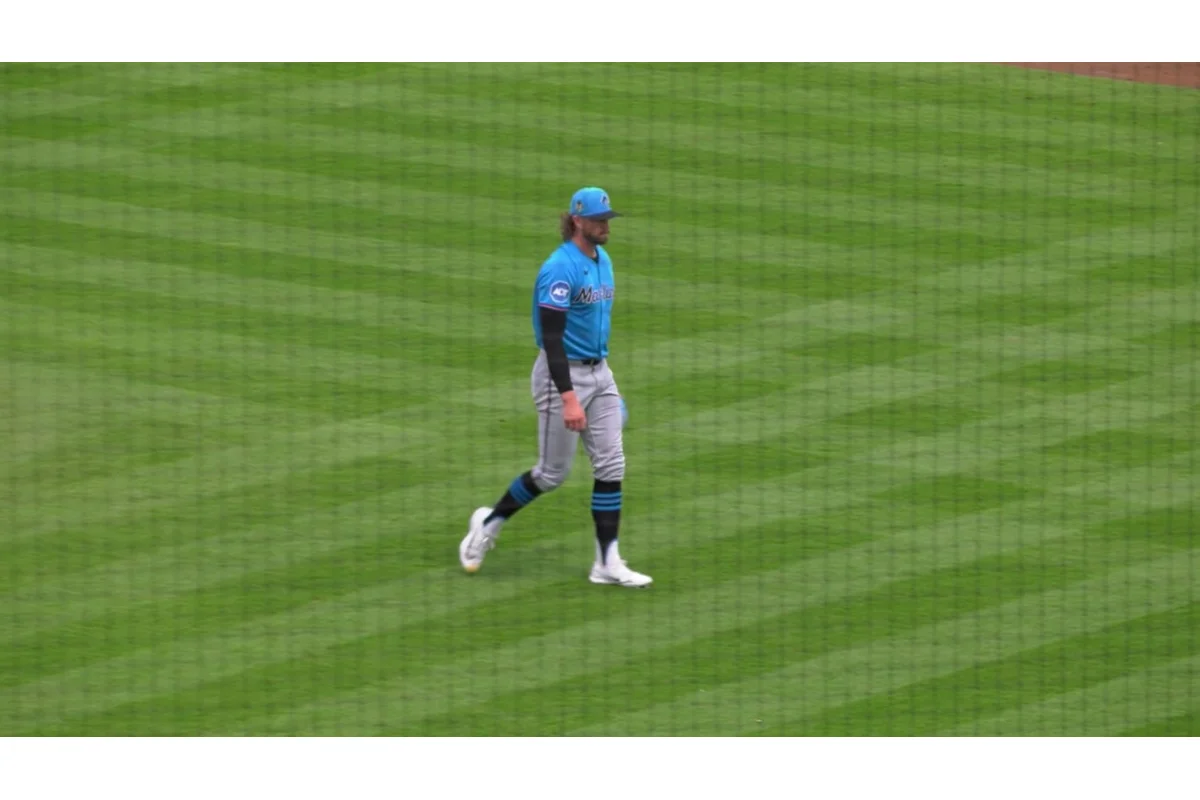
During his third start of spring training Saturday in West Palm Beach, Florida, pitcher Chris Paddack showed promising signs as he continued to perform effectively for the Miami Marlins. The right-hander delivered three scoreless innings, allowing only two hits and issuing no walks, demonstrating the control that has distinguished his pitching throughout his career. Despite struggles in recent seasons, Paddack’s ability to limit free passes remains strong, as reflected in his one walk over six innings this spring.
Marlins manager Clayton McCullough acknowledged Paddack’s strong showing, noting,
“Thought he had a good heater today,”
and added,
“He’s really playing well. Ability to get right up towards the top, and with the changeup that he has behind that.”
Background and Challenges in Paddack’s Career
Drafted by the Marlins in 2015, Chris Paddack was traded to the San Diego Padres in 2016 before making his Major League Baseball debut in 2019. His rookie year was impressive, featuring a 3.33 ERA; however, he has not been able to replicate that success consistently, pitching to a 5.06 ERA over the ensuing six seasons. A significant factor impacting his performance has been the ineffectiveness of his breaking pitches, which, according to Baseball Savant data, have had a negative run value from 2021 through 2025.
Introducing a New Sweeper to Enhance Pitch Arsenal
This spring, Paddack has incorporated a new sweeper pitch, showing cautious optimism about its potential. He remarked,
“We still have some chipping away to do,”
explaining,
“It’s not going to be that negative-18 (inches of horizontal break), negative-20 that you see some of these guys throw.”
Paddack’s pitching mechanics involve a naturally pronated wrist—where the wrist and forearm rotate inward at release—favoring pitches such as four-seam fastballs and changeups. Conversely, this wrist action makes throwing sweeping breaking balls more challenging, as supination (the opposite wrist rotation) generally facilitates such pitches.
Refining Technique Through Film Study and Peer Feedback
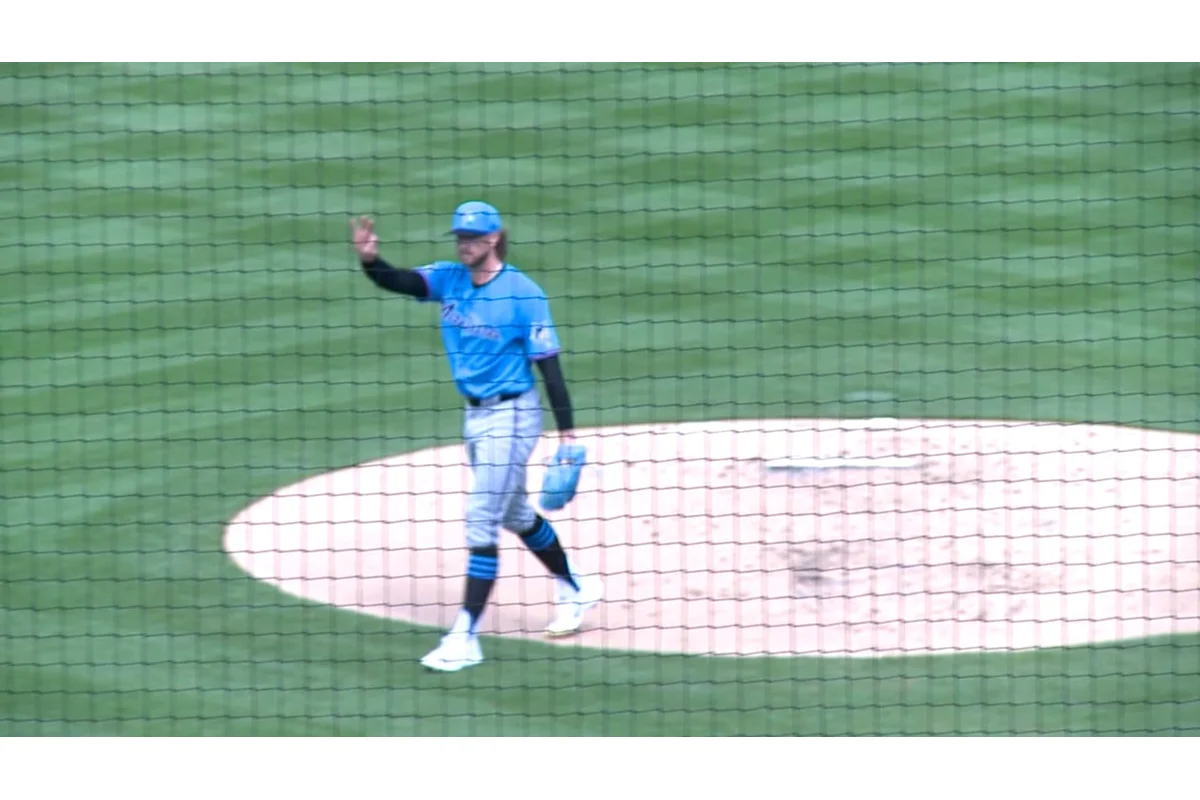
To improve his new pitch, Paddack has studied video footage of successful spin pitchers and sought advice from peers who excel at breaking balls. He shared,
“We’re so close for it to catch,”
and added,
“And it will be negative-12, negative-15 consistently. I would like it to be a little bit harder. It’s kind of mirroring the curveball right now.”
The Marlins have supported this development with innovative “pitch design” sessions, which combine bullpen work with real-time pitch data, enabling pitchers like Paddack to experiment and adjust effectively. Describing this process, he said,
“I get feedback from guys that are on my side, not trying to take my lunch money,”
and continued,
“And if they do clip me, they’re able to walk me through, ‘Hey, this is what we saw,’ or, ‘That one was good—that one was better than the first one you threw.’”
Additional Updates from Marlins Spring Training Camp
The club recently made their second round of cuts, sending right-hander Karson Milbrandt, first baseman Nathan Martorella, and outfielders Dillon Lewis and Fenwick Trimble home. Although Milbrandt, Lewis, and Trimble are among the Marlins’ top 30 prospects, none have advanced beyond Double-A competition. Following these moves, 61 players remain in camp.
Pitcher Janson Junk returned to Grapefruit League action after recovering from a right ankle sprain, delivering one inning with two strikeouts and no runs allowed. Meanwhile, pitchers Anthony Bender, recovering from a right tibial stress reaction, and Andrew Nardi, managing a left finger blister, are expected to make their spring game debuts on Tuesday.
Implications for Paddack and the Marlins Moving Forward
Chris Paddack’s progress with his secondary pitches, especially the addition of the sweeper, could mark a turning point in his career as he seeks to regain the form of his rookie season. The Marlins’ investment in advanced training techniques and peer collaboration may aid him in overcoming previous performance hurdles. If these developments translate into consistent results during the regular season, Paddack’s resurgence will bolster Miami’s pitching depth and improve their competitive prospects in the coming year.
