
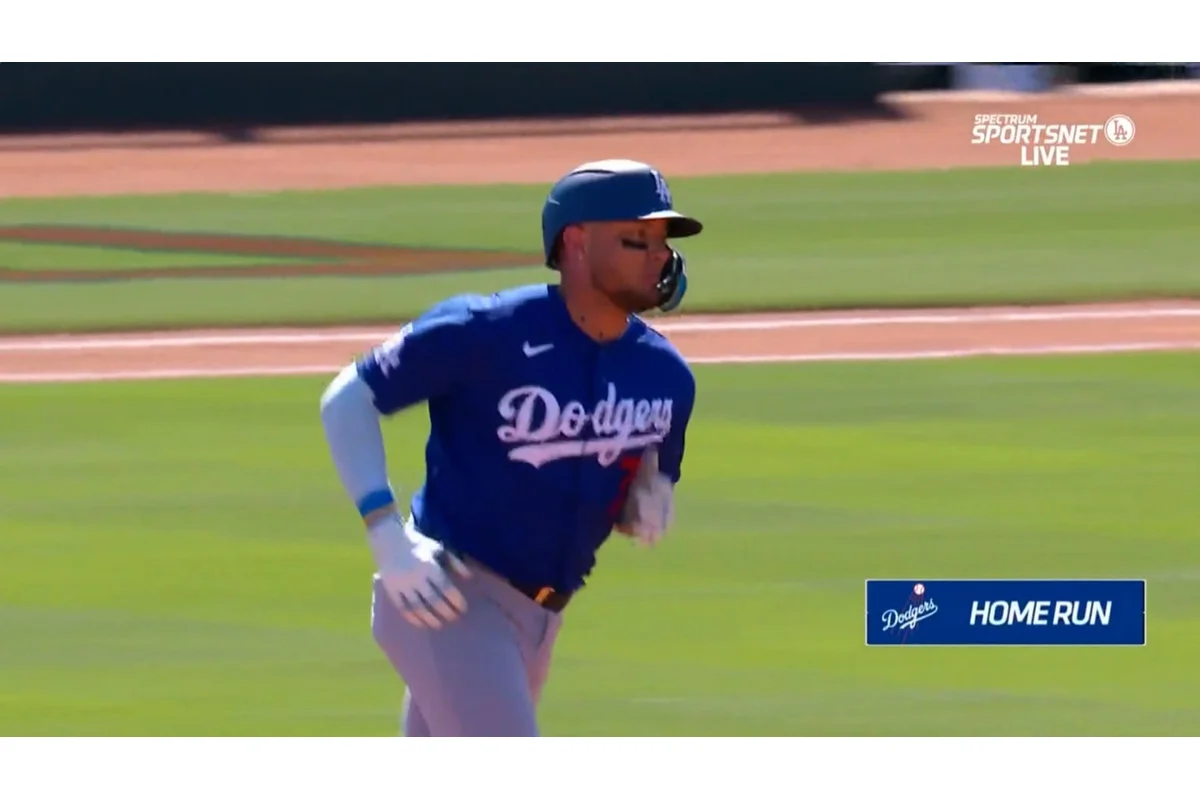
Miguel Rojas, a veteran player for the Los Angeles Dodgers, had hoped to represent Venezuela in the World Baseball Classic (WBC) before the conclusion of his final MLB season. However, turning 37 last month triggered insurance complications that prevented his participation in the tournament. This disappointment followed an earlier withdrawal from the 2023 WBC, which was influenced by a season-ending injury to teammate Gavin Lux that altered Rojas’s role on the Dodgers.
Setting Sights on the 2028 Olympic Games in Los Angeles
Looking ahead, Rojas is focusing on a potential chance to wear the Venezuela jersey again at the 2028 Summer Olympics in Los Angeles. Venezuela’s qualification for the Olympic baseball tournament depends on its performance in upcoming WBC events. Should the team secure a spot to compete at Dodger Stadium, Rojas expressed his ambition to contribute as a player or in another capacity.
In an interview with Kirsten Watson on SportsNet LA, Rojas shared,
“I know I said I’m going to stop playing baseball after this year, but I’m never going to be away from the game,”
highlighting his deep connection to baseball. He added,
“I feel like that’s something that’s in my veins. I’m really passionate about the game of baseball and I really want to stay around.”
Rojas has also maintained communication with Venezuela’s manager, Omar López, who is leading the national squad this year in the WBC. Although the coaching staff for the 2028 Olympics is still uncertain, Rojas expressed his willingness to stay involved in any way possible.

“I told him, ‘I’m sorry this couldn’t happen as a player, but I would totally open to helping you as a coach or anyway that you need me there.’ Because I feel like the passion we have for the game and love for the country, we share that. I’m not going to say no if they offer me an opportunity.”
Insurance Issues Highlight Unequal Treatment of Latin American Players
Rojas has moved past his initial frustration over being barred from the WBC this year but remains critical of the insurance policies that blocked his participation. These policies declare some players uninsurable for the WBC, which means their MLB teams would not guarantee their contracts if they got injured playing in the tournament, unless a waiver is granted. Many Latin American players, including those from Venezuela, Puerto Rico, and the Dominican Republic, have been disproportionately affected by these restrictions.
At DodgerFest, Rojas questioned the fairness of these insurance decisions, saying,
“My only question is, why is it just with our countries? Like, Venezuela, Puerto Rico, we’ve seen a couple Dominican players. I don’t see that happening with the United States or happening with Japan.”
He emphasized his respect for all involved but pointed out the evident disparity.
“I’m not trying to attack anybody, or attack what’s going on, or seeing what’s happening behind the scenes. But at the end of the day, it feels like it’s just happening with the players that want to represent their country from Latin America.”
Rojas hopes to discuss these inequities with officials in charge, including MLB representatives, to better understand why players from Latin American countries face such barriers. He expressed deep disappointment at missing the chance to proudly represent Venezuela on the global stage.
“Not having the opportunity to do it because I’m 37 years old, that’s not right. I don’t feel that’s right. If I can still play in the big leagues for the Dodgers, why not go to play for my team in Venezuela and represent my country?”
Implications for Rojas and Venezuela Baseball
Miguel Rojas’s experience underscores ongoing challenges faced by veteran Latin American players who seek to honor their countries while navigating complex MLB insurance frameworks. His commitment to involvement in Venezuelan baseball beyond his playing days reflects a desire to foster growth and representation in international competitions.
The potential inclusion of baseball in the 2028 Los Angeles Olympics offers an important opportunity for Venezuela to showcase its talent, but the team’s qualification hinges on strong performances in tournaments like the WBC. Rojas’s willingness to contribute as either a player or coach also indicates his lasting dedication to the sport and his national team. This situation may prompt MLB and international baseball organizations to reconsider policies affecting Latin American athletes’ participation in global events.
