
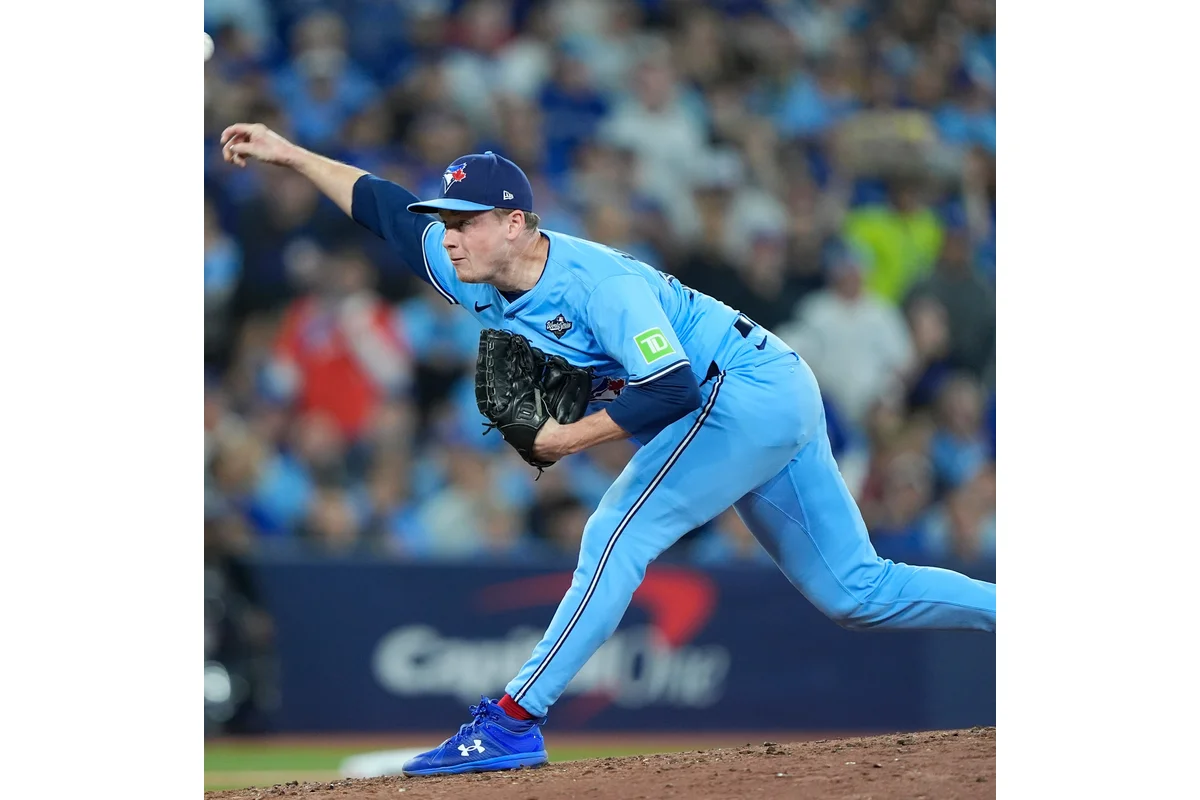
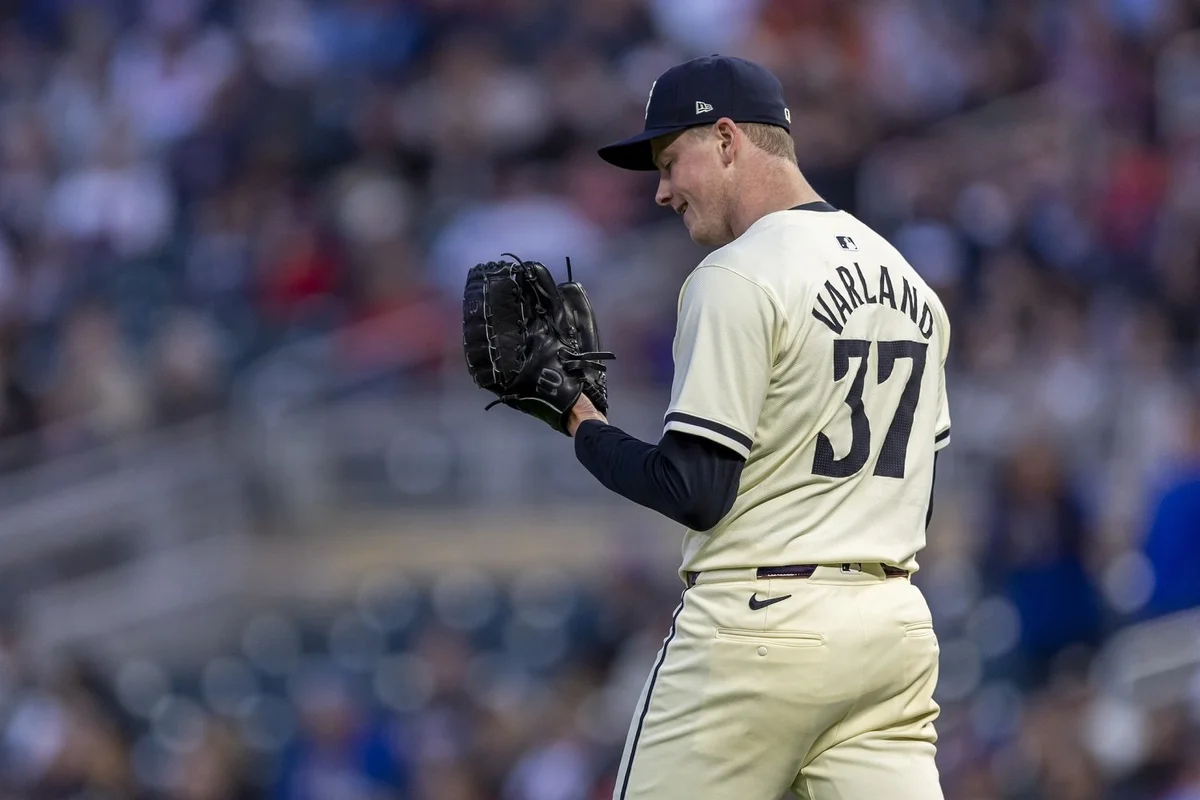
The trade involving Louis Varland on July 31 sparked widespread disappointment among Twins fans, who were uneasy about losing a promising left-handed pitcher familiar to Minnesota. Varland, 28, maintained an impressive 2.02 ERA over 49 innings during the 2025 season and remains under team control through 2030. The transaction’s ramifications have fueled strong reactions, particularly as fans compare the returned players to other potential trade pieces like Blue Jays’ right-hander Trey Yesavage.
Details and Context Behind the Varland Deal
Despite fan frustration, the Twins acquired outfielder Alan Roden, who has impressively started the spring season, along with promising left-handed pitching prospect Kendry Rojas, in exchange for Varland and first baseman Ty France. According to Bobby Nightengale of the Minnesota Star Tribune, Toronto had expressed interest in Varland well before the trade deadline, initiating talks about three months prior. The Twins reportedly sought either Rojas or Yesavage as part of any package, but initially, the Blue Jays were unwilling to part with either pitcher. Eventually, Toronto included Rojas in the deal, shifting the balance of negotiations.
Rojas is regarded for his high-velocity fastball reaching the high-90s, combined with swing-and-miss offerings like his slider and split-changeup. His Grapefruit League debut demonstrated his potential when he struck out stars Ronald Acuña Jr. and Austin Riley. This performance has led many to see him as a future standout in the majors.
Why Many Fans Wish Yesavage Was Part of the Trade
While Rojas boasts notable ability, there’s significant regret among Twins supporters for not receiving Trey Yesavage instead. At 22 years old, Yesavage advanced from High-A to Double-A during the trade discussions and was promoted to the major leagues by September. In his limited regular-season starts, he tallied 16 strikeouts in 14 innings but also allowed five earned runs. His contributions during the postseason, however, solidified his reputation as a clutch performer.
Yesavage, whose signature pitch is a dominant splitter, made five playoff starts for Toronto last year. He pitched 5⅓ scoreless innings with 11 strikeouts in Game 2 of the ALDS against the New York Yankees. Despite a difficult ALCS Game 2 outing versus the Seattle Mariners where he gave up five runs over four innings, he rebounded remarkably in Game 6, conceding only two runs across 5⅔ innings to secure the victory in a critical matchup.
In the World Series, Yesavage was pivotal for the Blue Jays. He limited opponents to two runs over four innings in Game 1’s win against the Los Angeles Dodgers and produced an elite seven-inning performance in Game 5 with one run allowed and 12 strikeouts. Though he gave up a solo home run to Max Muncy in the decisive Game 7, which Toronto lost in extra innings, his overall playoff heroics have made him a player many Twins fans wish they had acquired.
Comparing Prospects and What This Means for the Twins
While Alan Roden shows clear promise as a position player and Kendry Rojas’s pitching arsenal is impressive, Yesavage’s demonstrated ability to thrive under postseason pressure has left many supporters questioning the trade’s value. His success at such a young age in high-stakes games suggests he could develop into a powerful starting pitcher, whereas the return package the Twins received carries more uncertainty in comparison.
The Louis Varland trade and the absence of Trey Yesavage in the package highlight the complexity of evaluating player potential, especially midseason. For the Twins organization and their fanbase, the decision has generated a conflicted response, underscoring the challenge of balancing immediate gains with future upside. Moving forward, the performances of Roden and Rojas will be closely watched, but the palpable unease over missing out on Yesavage will likely linger among Minnesota’s loyal followers.
