
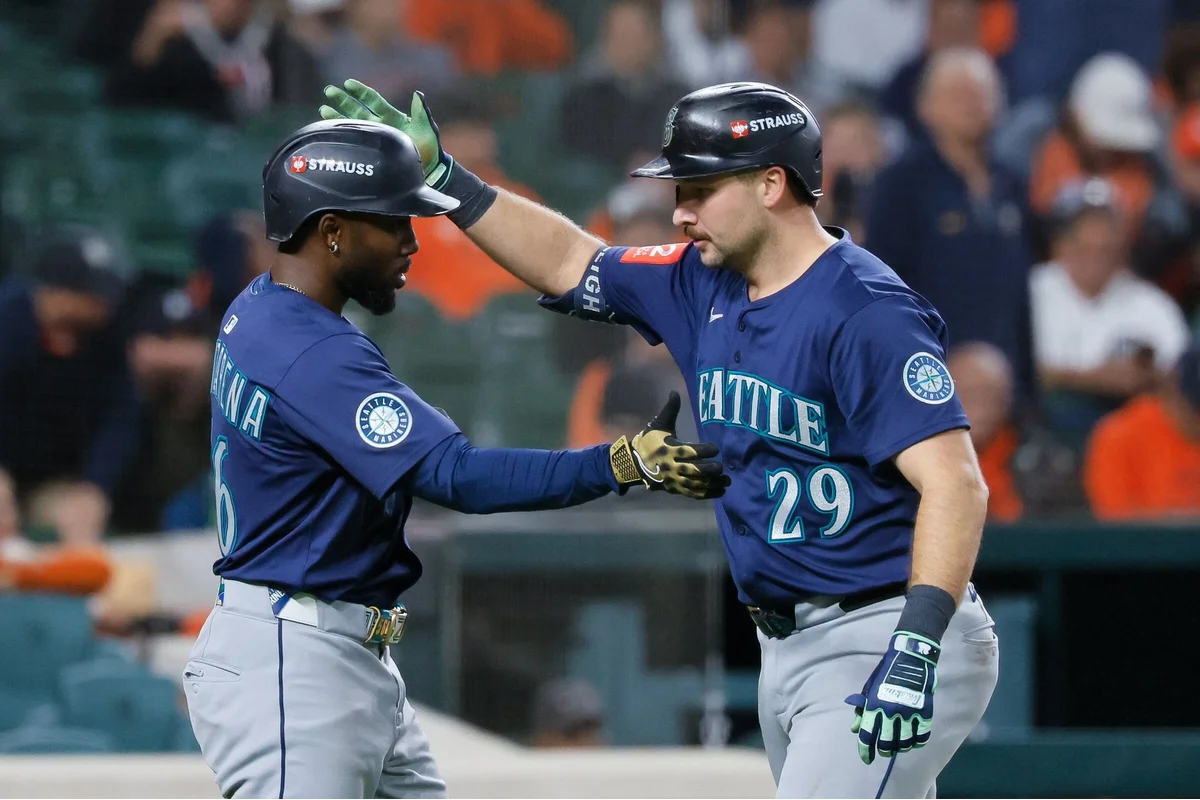
Seattle Mariners pitcher George Kirby‘s recent decision to use a PitchCom device during a spring training game against the Milwaukee Brewers has drawn attention and speculation about its impact on team dynamics, especially with catcher Cal Raleigh. The experiment, which took place during the Cactus League on a Sunday, challenges the traditional communication roles between pitcher and catcher, raising concerns over how Raleigh will respond upon returning from the World Baseball Classic. This situation highlights a potential Cal Raleigh PitchCom conflict emerging within the Mariners’ pitching staff.
Insight into Kirby’s Intentions and Team Communication
Reports from Ryan Divish of The Seattle Times and Shannon Drayer of Seattle Sports indicate that the Mariners have been preparing for this approach for some time, and that Raleigh is informed about the plan. Kirby clarified that his use of the PitchCom device isn’t an attempt to dominate pitch-calling but rather a tool to boost his confidence in selecting pitches. He stated,
“It’s just a way for me to have more conviction in some of my pitches, something that I really want to throw. Instead of shaking 20 times to get to a pitch, you press it and go from there. If anything, catchers kind of like it when guys are more convicted in what they want to throw. I’m still going to let them do their thing. But if there is something I want to throw, I’m going to call it.”
– George Kirby, Mariners Pitcher
Kirby’s style benefits from precise pitching decisions rather than overpowering speed; he throws six different pitches and favors strategic placement over sheer velocity. His fastball ranges in the mid-to-high 90s mph, with a focus on mixing pitch types rather than pure power. Yet, pitch selection traditionally lies within the catcher’s responsibility, creating a delicate balance between Kirby’s newfound role and Raleigh’s established authority behind the plate.
The Catcher’s Role and Potential Conflicts with Raleigh
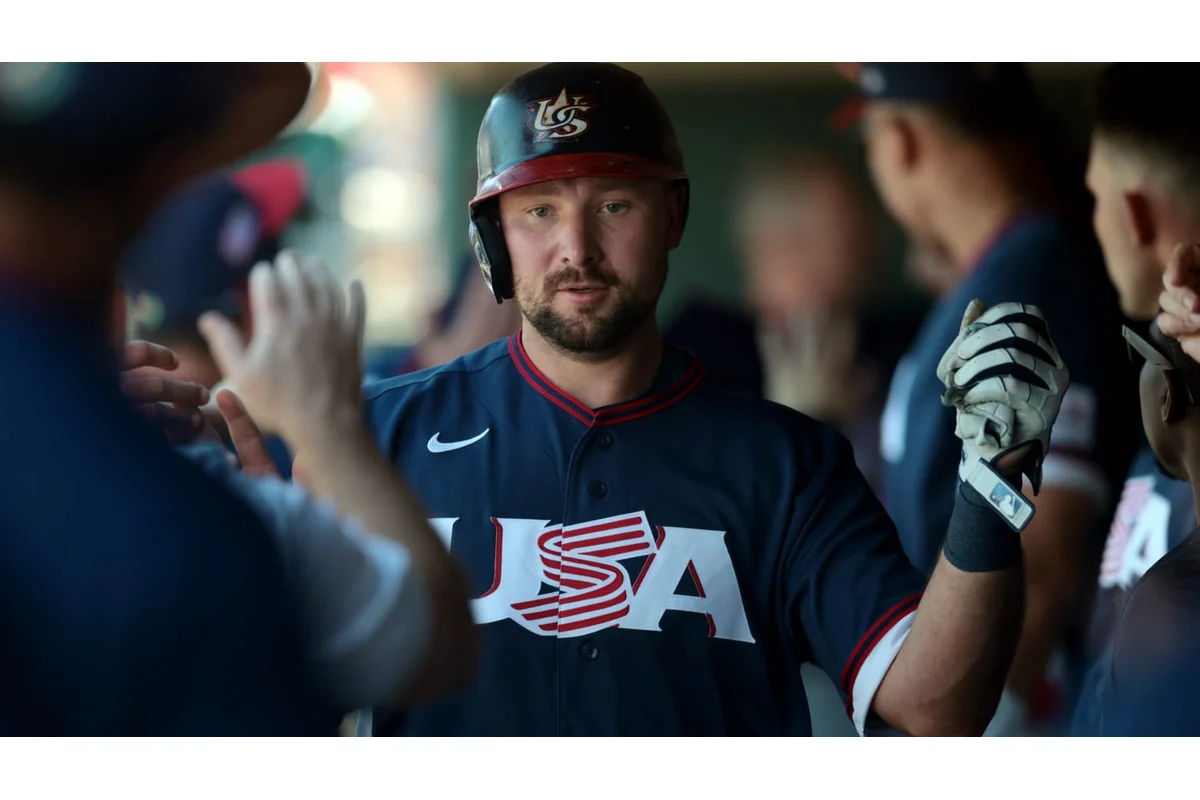
Cal Raleigh is well-known for his strong pride and dedication to pitch-calling duties. As observed by Divish, Raleigh
“is notorious for being irritated when pitchers shake him off in certain situations, often times calling the same pitch again to prove a point.”
This tension underscores the friction likely to arise from Kirby’s PitchCom trial, which allows a pitcher to independently choose pitches. Consequently, fans and analysts are watching closely to see how this interplay unfolds between Kirby and Raleigh.
Another Mariners pitcher, Logan Gilbert, will also experiment with PitchCom but mainly to accelerate play when runners are on base. This contrasts with Kirby’s focus on gaining assurance in pitch choices. Gilbert’s issues last season—in part leading to a career-high 4.21 ERA—stemmed more from mechanics and health rather than pitch decisions. His decline involved less efficient strike throwing and abandoning an effective splitter due to changes in arm slot after a shoulder injury. Gilbert’s example suggests that improved health could restore his previous performance level more than changes in pitch-calling strategy.
Performance Metrics Suggest Pitch Selection Was Not the Primary Issue
Data supports the perspective that Kirby’s pitch selection was not the key problem in his past outings. His OPS during two-strike counts (.471) has improved relative to 2023 (.513) and 2024 (.531), indicating solid situational pitching. While encouraging confidence is valuable, this metric shows Kirby was competitive in critical moments, suggesting the PitchCom usage is more about mindset than correcting a glaring technical flaw.
Team Dynamics and Future Implications for Mariners’ Pitching
The success of Kirby’s PitchCom experiment ultimately boils down to outcomes on the mound. Should this strategy result in stronger performances, it may require Cal Raleigh to adapt and support Kirby’s increased autonomy in pitch selection. Their recent camaraderie, exemplified by celebrating together at the Super Bowl, hints at a foundation of mutual respect that could help ease tensions if handled properly. However, if Kirby’s approach fails to produce the desired effects, the Mariners will likely see a return to traditional communications, reinforcing the familiar mantra shared by their pitching staff: “In Cal we trust.”
As spring training progresses and the regular season approaches, Mariners fans and analysts will closely observe the evolving relationship between George Kirby and Cal Raleigh. Their ability to harmonize pitching leadership through technological innovation could influence team chemistry and performance, providing valuable lessons on balancing innovation with established roles in professional baseball.
George Kirby, Painted 96mph Back Door Two Seamer. 🖌️🎨
14th K. 😲 pic.twitter.com/bhmVnOGVbG
— Rob Friedman (@PitchingNinja) June 8, 2025
