
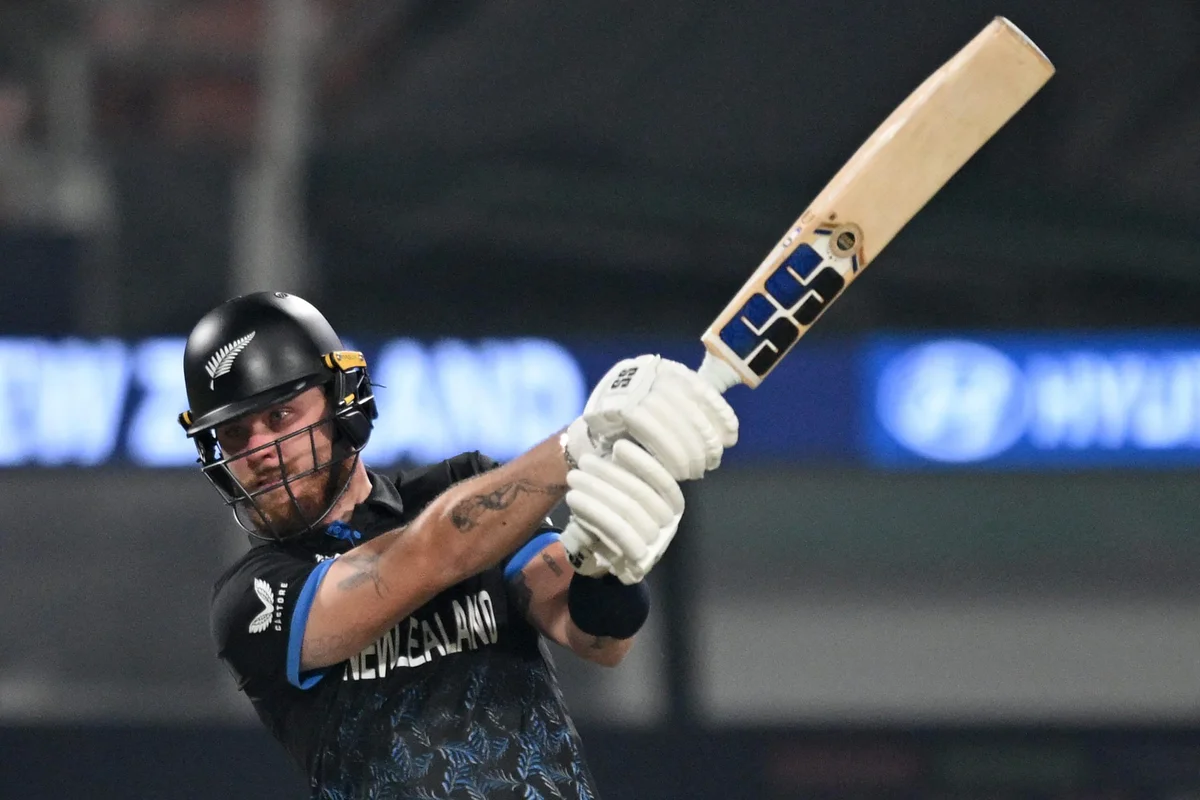
Finn Allen set a new benchmark in T20 World Cup history by scoring the fastest century ever in the tournament, reaching 100 runs in only 33 balls. His explosive performance powered New Zealand to a commanding nine-wicket victory over South Africa in Kolkata, ending the Proteas’ unbeaten streak and securing New Zealand’s place in the final.
South Africa had dominated this edition of the World Cup, winning their first seven matches, including a decisive seven-wicket win over New Zealand in their opening encounter. However, Allen’s blistering knock, supported by a strong partnership with Tim Seifert, ensured the Black Caps chased down a target of 170 swiftly, showcasing a spectacular display of aggressive batting.
Match Highlights and Key Performances
South Africa posted a total of 169 for 8, with Marco Jansen top-scoring with an unbeaten 55 off 30 balls and Dewald Brevis contributing 34 runs. Despite a strong recovery from a precarious 77 for 5, the South African innings stalled under disciplined bowling from New Zealand’s pace attack, including two wickets each for Cole McConchie and Rachin Ravindra.
In response, New Zealand’s openers dominated. Allen’s 33-ball century, featuring 10 fours and eight sixes, obliterated the previous record of a 47-ball hundred held by West Indies great Chris Gayle. Tim Seifert provided solid support, scoring 58 runs off 33 balls, and together they amassed an opening partnership of 117 runs in just 55 balls. This aggressive opening stand laid the foundation for an emphatic victory inside 12.5 overs.
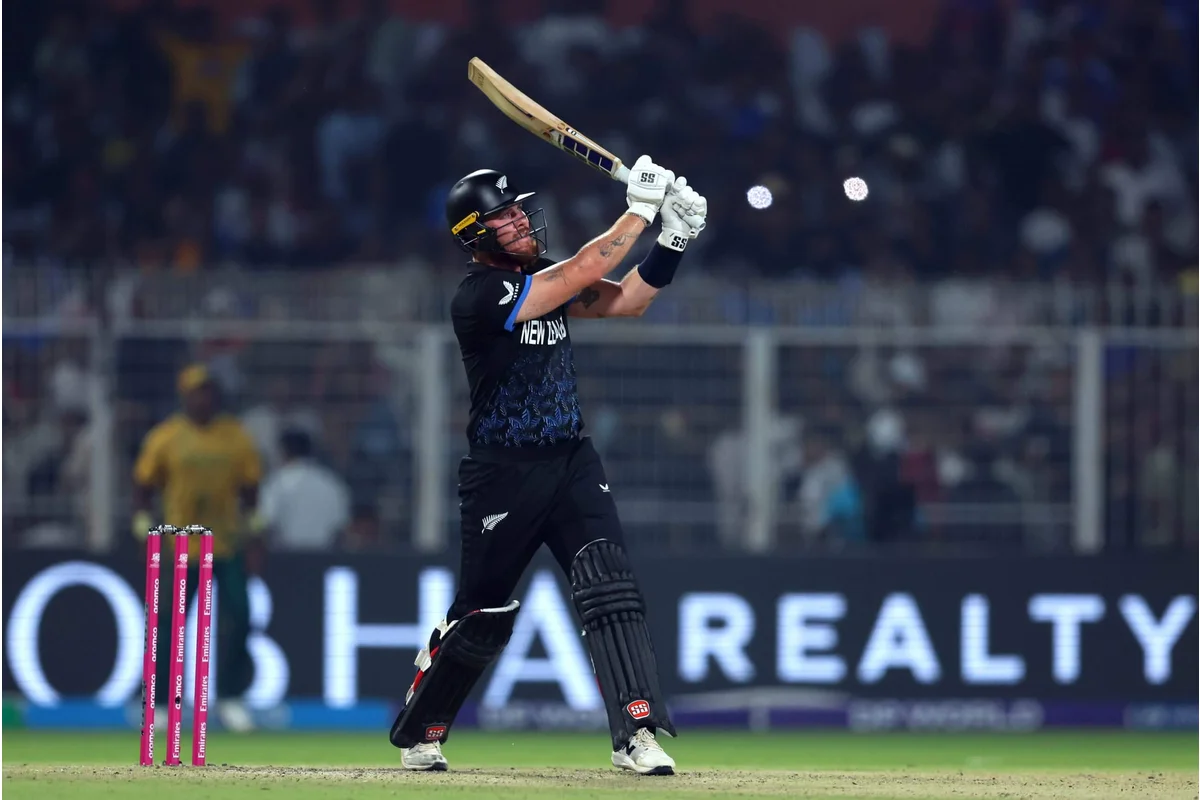
The match saw thrilling moments including Allen hitting five consecutive boundaries off Corbin Bosch in the sixth over and another sequence of five boundaries off Marco Jansen in the 13th, the latter sequence including the four that took him to his rapid century.
Previous Records and Historical Context
The previous fastest T20 World Cup century was achieved by Chris Gayle a decade ago, who reached his hundred in 47 balls against England. Allen’s 33-ball century surpassed that by a wide margin, highlighting a new era of aggressive batting at the top level.
South Africa had hoped to make their second consecutive final, following their runner-up finish to India in the 2024 Caribbean tournament. However, their journey was halted as New Zealand maintained the upper hand over them in knockout matches, with this being the fourth successive ICC elimination game victory over the Proteas, including the 2011 World Cup quarter-final and 2015 semi-final, as well as the recent 2025 Champions Trophy semi-final.
New Zealand’s Dominant Start and Bowling Strategy
Winning the toss, New Zealand elected to field first and began strongly. Spinner Cole McConchie struck early, dismissing two South African batters in successive balls during the second over, applying early pressure on the Proteas. However, chances were missed by South Africa in the field, including a crucial dropped catch by Quinton de Kock.
Maneuvering through a shaky start, South Africa’s lower order, led by Jansen and Tristan Stubbs, put together a fighting partnership to reach a respectable total. Jansen’s 55 runs, marked by five sixes, demonstrated South Africa’s lower-order resilience, but ultimately it was insufficient to slow New Zealand’s intense chase.
Finishing Breakthroughs and Match Climaxes
The New Zealand innings faced minimal resistance. Only one wicket fell, when Tim Seifert was bowled by Kagiso Rabada, underscoring the dominance exerted by the batting lineup. Allen and Seifert’s continuous attack ensured the run chase was completed rapidly, with New Zealand advancing confidently to the final stage of the tournament.
Reflections from Team Leaders and Key Players
New Zealand captain Mitchell Santner praised the opening pair’s fearless approach.
“It was special to watch [Allen and Seifert]. We were very happy with a target of 170 going into our innings, but you never know. They went out there, played their game and took it on, which was cool to see. And then Finn carried on – 33 balls for a ton is not too bad!”
South Africa captain Aiden Markram acknowledged the challenge posed by the opponents’ batting.
“To get up to 170 was a great effort, to be fair, and at the halfway point we felt like we had a sniff. But then someone plays an innings like that [Allen’s]. Massive credit to his knock and Tim Seifert’s knock, to kill the game as early as they did. Unfortunately it was just a bad night for us tonight.”
Finn Allen, awarded player of the match, reflected on the significance of the victory.
“We wanted to try and put them on the back foot early. When Tim [Seifert] is going like that, it makes it easy for me… I can just watch and hit it when it’s in my area, and we got off to an absolute flier. It’s easy in a semi-final to stay up for the fight – it was a huge game for us – and we enjoyed it out there together. You take the positives from this game, celebrate that little moment of success and then we’ve got a final to win on Sunday. We look forward to that.”
Tomorrow’s Semifinal and What Lies Ahead for New Zealand
New Zealand now await the winner of the second semi-final between England and India at Mumbai’s Wankhede Stadium. Both England and India have won the T20 World Cup twice, setting up an intense showdown for the right to face the Black Caps in the final at Ahmedabad on Sunday.
Having never won the T20 World Cup but holding a best finish as runners-up in 2021, New Zealand’s recent strong knockout performances against South Africa and consistent team display raise hopes among fans and players alike that they could finally claim their first title in this format.
As anticipation builds across cricketing nations, New Zealand’s record-breaking effort in Kolkata highlights not only individual brilliance from Finn Allen but also the cohesive team strategy that will be vital in the forthcoming final. The Black Caps’ batters and bowlers alike will be tasked with maintaining this form if they are to overcome the formidable challenge posed by either England or India.
